

Nigiri vs Sashimi at a Glance
What is nigiri? Nigiri is a small, hand-pressed mound of vinegared rice topped with a slice of raw or cooked fish. What is sashimi? Sashimi is thinly sliced raw fish served on its own, with no rice. Both rely on very fresh fish. The rice is what separates them. Looking for the bigger picture, including sushi itself? See sushi vs sashimi vs nigiri.
Sashimi and nigiri sit at the heart of Japanese cuisine, yet the two are often confused for one another. Both showcase the freshness of raw fish, but they are prepared, served, and eaten in very different ways. What is the difference between sashimi and nigiri?
In short: sashimi is thinly sliced raw fish or meat served on its own, with no rice at all, while nigiri is a small hand-formed mound of vinegared rice topped with a slice of fish or seafood. That single distinction — the presence or absence of rice — changes everything from how each dish is made to how it should be eaten. This guide walks through both dishes in full: their origins, how they’re prepared, what to order if you’re new to sushi, and how to make them at home.
Print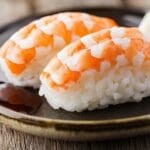
What is the Difference Between Sashimi and Nigiri? Sushi Essentials Explained
- Total Time: 15 minutes
- Yield: 2 servings
Description
Curious about the difference between sashimi and nigiri? This guide breaks down everything from origins and preparation to flavor and presentation. Discover how these two iconic dishes represent the heart of Japanese cuisine.
Ingredients
- Sashimi: Thinly sliced raw fish or meat (e.g., tuna, salmon, yellowtail)
- Nigiri: Hand-pressed vinegared rice with fish or seafood on top
- Soy sauce (for dipping)
- Wasabi (used sparingly)
- Optional garnishes: shredded daikon, shiso leaves, edible flowers
- Optional toppings: cooked eel, shrimp, tamago (sweet omelet)
Instructions
- Sashimi Preparation: Use a sharp knife to slice raw fish into thin, even pieces. Arrange with garnishes like shredded daikon and shiso leaves. Serve with soy sauce and wasabi.
- Nigiri Preparation: Prepare vinegared rice and shape into small mounds. Place slices of fish on top. Optionally secure with a thin strip of nori. Dip fish-side into soy sauce when eating.
- Enjoy: Pair both with traditional sides like miso soup or seaweed salad and drinks like green tea or sake for an authentic experience.
Notes
Sashimi focuses on the pure flavor of raw fish, while nigiri balances fish and rice. Sashimi is typically lighter and served first in multi-course meals. Nigiri may include cooked toppings and is more filling.
- Prep Time: 15 minutes
- Cook Time: 0 minutes
- Category: Appetizer
- Method: Raw Preparation
- Cuisine: Japanese
Nutrition
- Serving Size: 1 plate
- Calories: 200
- Sugar: 0g
- Sodium: 300mg
- Fat: 6g
- Saturated Fat: 1g
- Unsaturated Fat: 4g
- Trans Fat: 0g
- Carbohydrates: 15g
- Fiber: 0g
- Protein: 20g
- Cholesterol: 35mg
Keywords: sashimi, nigiri, sushi, Japanese cuisine, sushi types
2. Origins of Sushi: How Nigiri and Sashimi Developed
Sushi’s history dates back centuries, rooted in a practical method for preserving fish. In ancient Japan, fish was salted and packed in fermented rice to keep it edible for months — a process known as narezushi. Sashimi grew out of a separate, older tradition: by the Muromachi period (1336–1573), thinly sliced raw fish served on its own was already considered a delicacy reserved for samurai and the upper class.
Nigiri came later. By the Edo period, sushi had turned into a fast, casual street food, and nigiri emerged as the quick, elegant answer: a bite-sized piece of vinegared rice topped with fish, meant to be eaten in one or two bites while walking through the city. Sashimi kept its role as the more formal, ingredient-focused dish, while nigiri became sushi’s everyday face. Today both are served side by side in restaurants worldwide, each offering its own way to enjoy the same raw fish.

3. What Is Sashimi? A Raw Fish Dish Without Rice
Sashimi is thinly sliced raw fish or meat, served without rice. It’s the simplest and most direct way to taste a fish: no vinegared rice, no seaweed, nothing between you and the ingredient itself. Its name translates roughly to “pierced body,” a nod to the precise knife work that defines the dish. Each slice is cut to a specific thickness and angle depending on the fish, since the cut itself changes the texture in the mouth.
Popular Sashimi Types: What Sets Tuna, Salmon, and More Apart
Sashimi is only as good as the fish behind it, which is why restaurants build their sashimi menu around what’s freshest that day. Common choices include:
- Tuna (Maguro): Versatile, with cuts ranging from lean akami to fatty otoro.
- Salmon (Sake): Rich and buttery, the most approachable choice for first-timers.
- Yellowtail (Hamachi): Mild and slightly sweet, with a soft, melting texture.
- Octopus (Tako): Lightly cooked before slicing, prized for its chew.
- Scallops (Hotate): Sweet and delicate, best served very fresh.
- Horse Mackerel (Aji): Leaner and tangier, a favorite for those who want something less rich.
How Is Sashimi Served?
Sashimi is plated with garnishes that add texture and aroma without competing with the fish — shredded daikon radish, fresh shiso leaves, sometimes an edible flower. It comes with soy sauce for dipping and a small amount of wasabi, used sparingly so it doesn’t mask the fish’s own flavor; ponzu or dashi soy are common alternatives. In a traditional Japanese meal, sashimi is often the opening course, setting a quiet, refined tone before the rest of the meal follows.

4. What Is Nigiri? Sushi with Rice and Fish
Nigiri combines a small, hand-pressed mound of vinegared rice with a slice of raw or cooked fish on top. Its name means “two fingers,” a reference to both its size and the way it’s shaped by hand. The tangy rice and the topping are meant to balance each other, so unlike sashimi — which is raw fish and nothing else — nigiri is judged as much on that balance as on the fish itself. It’s also the more flexible of the two: chefs regularly use cooked toppings like grilled eel or boiled shrimp alongside raw options.
Common Nigiri Toppings: From Salmon to Cooked Eel
Nigiri toppings span raw, cooked, and cured fish, which is part of why it appeals to a wider range of palates. Fish roe is another popular topping; this guide to masago vs tobiko vs ikura explains the differences. Popular choices include:
- Salmon (Sake): Creamy and flavorful, one of the most ordered pieces.
- Tuna (Maguro): From lean to fatty, depending on the cut.
- Eel (Unagi/Anago): Grilled and glazed with a sweet soy sauce.
- Shrimp (Ebi): Cooked, with a tender, slightly firm bite.
- Scallop (Hotate): Creamy and delicate, often served raw.
- Squid (Ika): Smooth and slightly chewy, usually scored for tenderness.
How Nigiri Is Prepared
Making nigiri takes practice. The chef shapes the rice into a small mound firm enough to hold together but light enough not to feel dense, then places a slice of fish on top — sometimes with a dab of wasabi between rice and fish, sometimes secured with a thin strip of nori. When eating nigiri, dip the fish side, not the rice, into soy sauce: this keeps the rice from soaking up too much sauce and falling apart, and it’s the correct way to eat it whether you’re using chopsticks or your hands.

5. Key Differences Between Sashimi and Nigiri: A Side-by-Side Comparison
Both dishes celebrate the same raw fish, but everything around it — presentation, preparation, even how you’re supposed to eat it — sets them apart.
| Aspect | Sashimi | Nigiri |
|---|---|---|
| Rice | None | Essential — vinegared rice mound |
| Presentation | Thin slices with garnishes | Fish placed atop hand-shaped rice |
| Focus | Pure flavor and texture of the fish | Balance between rice and fish |
| Ingredients | Raw fish or meat only | Can include cooked toppings (eel, shrimp) |
| Eating method | Chopsticks | Fingers or chopsticks; dip fish side in soy sauce |
| Typical cost | Higher — larger cuts of fish per piece | Lower — rice offsets the amount of fish needed |
If you want a light, protein-focused option, sashimi is the better pick. If you’re after something more filling that pairs rice and fish in one bite, go with nigiri — the two aren’t competing so much as answering different cravings.
6. How to Enjoy Sashimi and Nigiri
Getting the most out of either dish comes down to a few simple habits.
For Sashimi
- Always order sashimi-grade fish — it’s been handled and stored specifically for raw consumption.
- Use soy sauce and wasabi sparingly so they don’t overpower the fish.
- A squeeze of citrus works well with richer cuts like salmon or fatty tuna.
For Nigiri
- Dip the fish side in soy sauce, not the rice.
- Eat each piece in one bite — it’s designed for it.
- Pickled ginger (gari) between pieces cleanses the palate before the next topping.
For Both
- If you’re new to sushi, start with mild fish like salmon or tuna before moving on to bolder options like mackerel.
- Pair with green tea or sake — both cut through the richness of the fish.
- Miso soup and a small seaweed salad make good sides for either dish.
7. Common Misconceptions About Nigiri and Sashimi
A lot of people assume sashimi counts as sushi. It doesn’t, technically — “sushi” refers specifically to dishes built on vinegared rice, and sashimi has none. It’s a raw fish dish that happens to be served in sushi restaurants, not a type of sushi itself.
The reverse misconception is just as common: that nigiri is always raw. In practice, chefs use cooked toppings on nigiri all the time — grilled eel, sweet omelet (tamago, see my tamagoyaki recipe), boiled shrimp. Knowing these two distinctions makes it much easier to order confidently at a sushi counter.
8. Making Sashimi and Nigiri at Home
Both dishes are approachable at home once you start with the right fish. Source sashimi-grade fish from a trusted fishmonger — this matters more than any technique, since it’s what makes eating it raw safe.
Essential Tools
- Sushi knife (yanagiba): A long, thin blade built for clean, single-motion slices.
- Non-porous cutting board: Easier to sanitize than wood when working with raw fish.
- Sashimi-grade fish: Ask your fishmonger directly — not all fish sold for cooking is safe to eat raw.
Steps for Sashimi
- Slice the fish against the grain into thin, even pieces with a single clean pull of the knife.
- Arrange the slices on a chilled plate with shredded daikon and shiso leaves.
- Serve immediately with soy sauce and a small amount of wasabi on the side.
Steps for Nigiri
- Shape small mounds of vinegared rice with damp hands, so the rice doesn’t stick.
- Add a small dab of wasabi to the rice, then lay a slice of fish on top.
- Secure with a thin strip of nori if the topping needs it, and serve right away.

9. Conclusion
Sashimi and nigiri both put fresh fish front and center, but they get there differently — one strips everything back to the fish alone, the other builds a small, balanced bite around it. Neither is objectively better; it comes down to what you’re in the mood for. If you want a rice-based sushi with no raw fish, try inari sushi. More Japanese-inspired recipes are on Sista Recipes.
10. FAQs
What is the biggest difference between nigiri and sashimi?
The presence of rice. Nigiri is a small mound of vinegared rice topped with fish; sashimi is thin slices of raw fish or meat served with no rice at all, which also makes it the lighter of the two dishes.
Why is nigiri usually cheaper than sashimi?
Nigiri pairs a smaller amount of fish with rice, while sashimi relies on larger cuts of fish served on their own. Since fish is the more expensive ingredient, sashimi typically costs more per piece.
Is sashimi or nigiri healthier?
Sashimi is pure protein with no added carbohydrates, which makes it the lighter option. Nigiri adds rice for energy and a more filling bite, so the better choice depends on what you’re looking for in a meal.
Is nigiri technically sushi?
Yes. “Sushi” refers to any dish built on vinegared rice, and nigiri fits that definition. Sashimi does not, since it contains no rice at all.
What are the three main types of sushi?
Nigiri (hand-formed rice topped with fish), maki (rice and fillings rolled in seaweed), and sashimi — though sashimi is often served alongside sushi even though it isn’t sushi in the technical sense.