
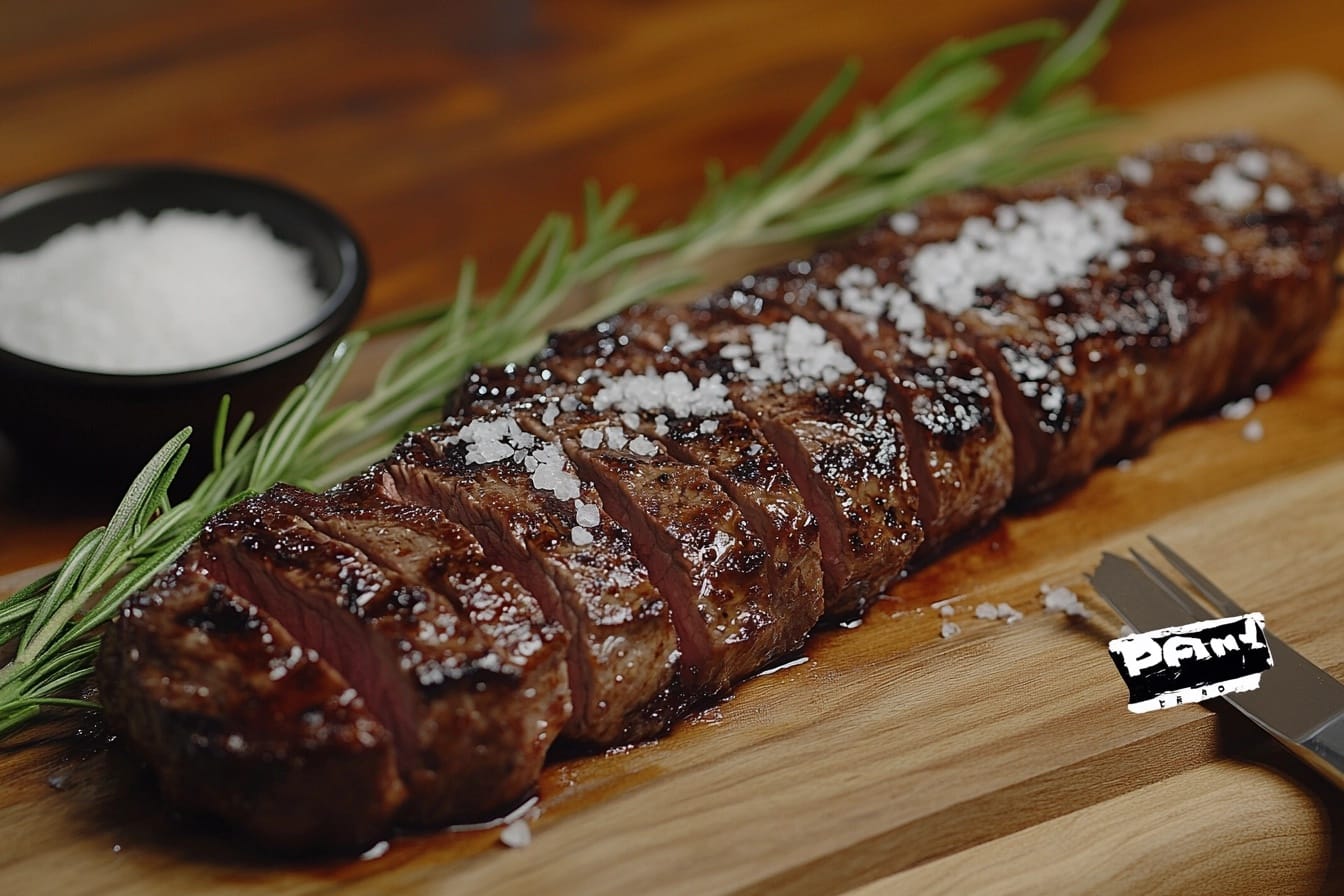
Denver steak is a well-marbled, tender cut from the chuck, the shoulder of the cow, which is usually where the toughest and cheapest beef comes from. It cooks like a ribeye, costs far less, and is ready in under 15 minutes on a grill or in a skillet. This guide covers where the cut comes from, how to cook it, what to serve with it, and what it offers nutritionally.
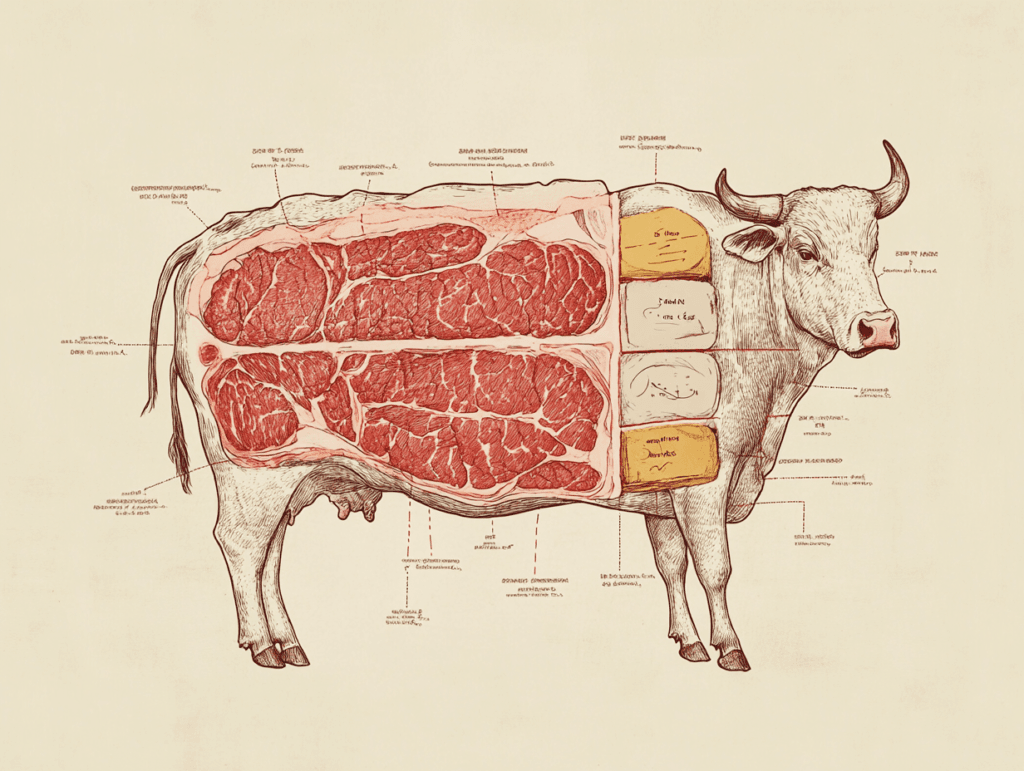
Where Denver Steak Comes From
Denver steak comes from the chuck primal, near the shoulder. Most chuck muscles work hard and need long, slow cooking, which is why chuck roasts and ground beef dominate this area. The Denver steak is the exception. It is cut from the serratus ventralis, a muscle under the shoulder blade that does little work, so it stays tender. Butchers separate it from the surrounding muscles with a technique called seam butchery, which keeps the muscle intact instead of cutting across it.
The cut was developed in the early 2000s as part of a beef-industry effort to find more value in the chuck, and it is often sold as a “chuck steak” or “Denver cut.” It tastes beefy but milder than ribeye, with enough marbling to stay juicy. It is a close cousin of the flat iron steak, which comes from a neighboring chuck muscle. If you cannot find one, see our guide to the flat iron steak.
Nutrition and Health Benefits
Like other cuts of beef, Denver steak is a good source of complete protein, and it supplies several nutrients that are harder to get from plants:
- Protein: roughly 20 to 25 g per 3.5 oz (100 g) cooked serving, with all the essential amino acids.
- Iron: beef contains heme iron, the form your body absorbs most easily.
- Zinc: supports immune function and wound healing.
- B vitamins: including B12, niacin and riboflavin, which are involved in energy production and nerve function.
Denver steak has more marbling than a sirloin but typically less fat than a ribeye or T-bone, so it sits in the middle for fat content. Exact numbers vary by animal and trim, so check the label or look up your cut in the USDA FoodData Central database. Grass-fed beef usually has a somewhat different fatty-acid profile, but the differences are modest. As with any red meat, enjoy it as part of a varied diet.
How to Cook Denver Steak
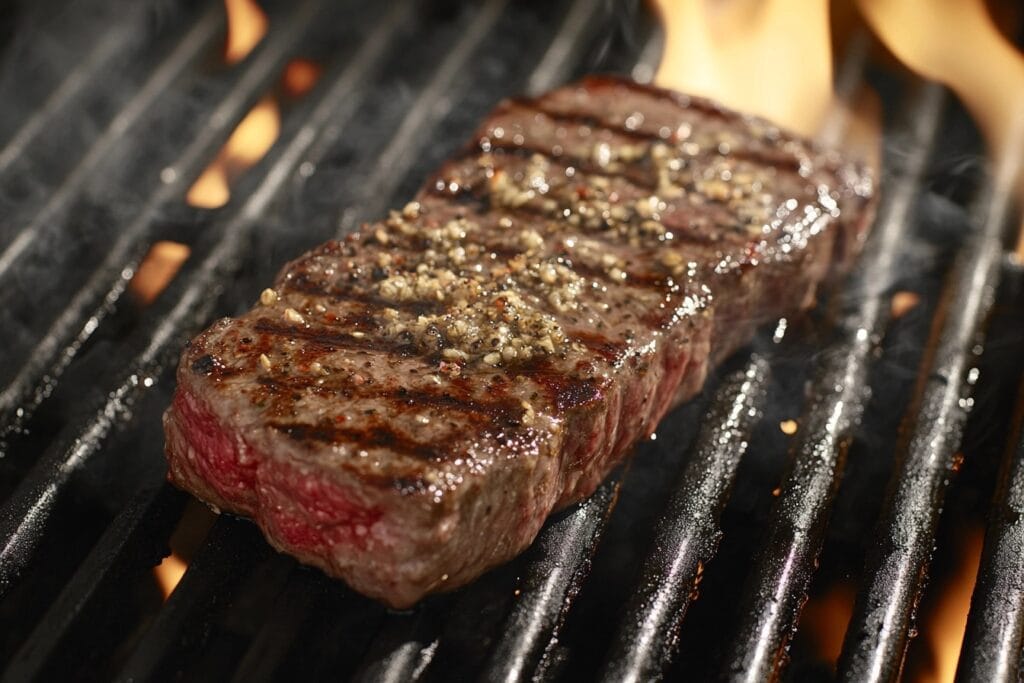
Take the steak out of the fridge 20 to 30 minutes before cooking, pat it dry, and season generously with salt and pepper. Whichever method you use, rest the steak for 5 minutes and slice it against the grain.
Grilling
- Preheat the grill to medium-high.
- Grill a 1-inch steak for 4 to 6 minutes per side for medium-rare.
- Rest 5 minutes before slicing.
Pan-Searing
- Heat a tablespoon of oil in a cast-iron skillet over medium-high heat until it shimmers.
- Sear the steak 3 to 4 minutes per side.
- In the last minute, add butter, garlic and a sprig of thyme or rosemary and spoon the butter over the steak.
Sous-Vide
Seal the seasoned steak in a bag and cook it in a 130°F (54°C) water bath for 1 to 2 hours. Pat it dry and sear it in a very hot pan for 1 to 2 minutes per side. This gives edge-to-edge doneness.
Braising
Because it comes from the chuck, Denver steak also works braised. Brown it, then simmer it in beef broth or red wine on low heat for 2 to 3 hours until fork-tender.
Doneness and Food Safety
The FDA lists 145°F (63°C) with a 3-minute rest as the safe minimum internal temperature for whole cuts of beef. Many cooks prefer medium-rare, which is lower, so use a thermometer and cook to the level you are comfortable with.
What to Serve With Denver Steak
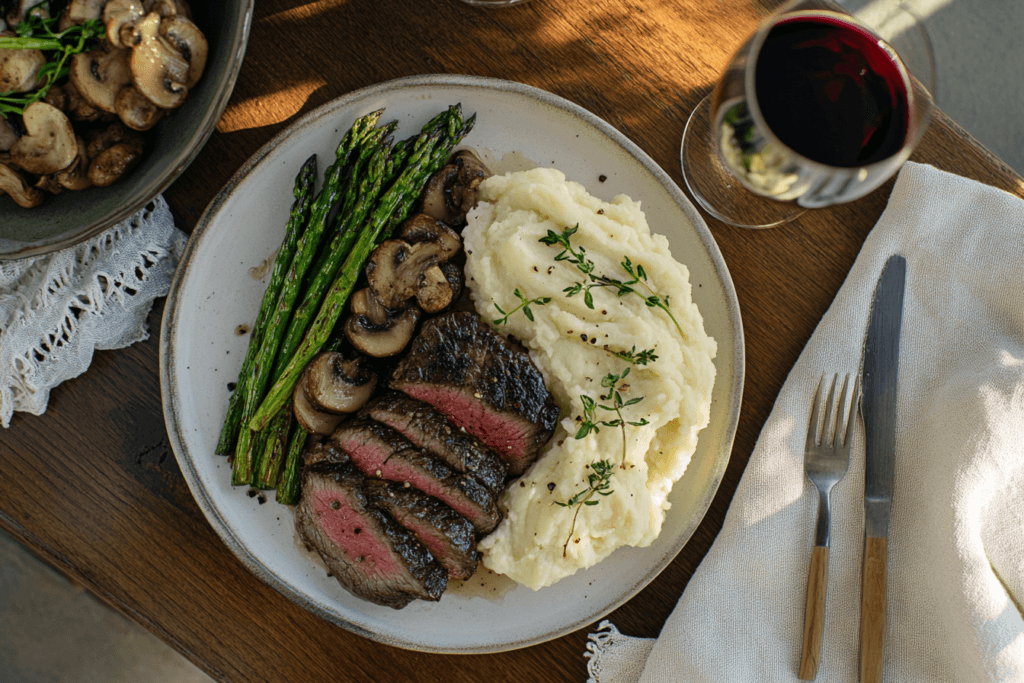
- Mashed potatoes: our creamiest mashed potatoes are an easy match.
- Mushrooms: garlic butter mushrooms add an earthy contrast.
- Sauces: spoon chimichurri or cowboy butter over the sliced steak.
- Vegetables: grilled asparagus or roasted Brussels sprouts cut the richness.
- Wine: Cabernet Sauvignon, Malbec or Zinfandel all hold up to a seared, marbled steak.
FAQs
What is a Denver cut of steak?
It is a steak cut from the chuck, under the shoulder blade of the cow. It is well marbled, tender and beefy, and it works for grilling or pan-searing.
What is Denver steak similar to?
It is closest to the flat iron steak, which also comes from the chuck. Compared with ribeye, it has a milder flavor and less fat, and it costs less.
Is Denver steak chewy?
No, if you cook it to medium-rare or medium and slice it against the grain. Overcooking or slicing with the grain makes it tougher.
Why is Denver steak hard to find?
It is a newer cut and the chuck yields only a small amount of it, so many grocery stores do not stock it. Ask a butcher, or look at specialty and warehouse stores.
Final Thoughts
Denver steak gives you ribeye-style marbling at a lower price. Cook it hot and fast, rest it, and slice it against the grain. For a special-occasion cut, see our roasted beef tenderloin.