Are kabocha and butternut squash the same? No — but they’re often confused for good reason. Both are winter squashes with sweet, orange flesh, and both show up in fall and winter recipes from soups to roasted side dishes. The differences, though, are real: flavor, texture, appearance, and how each one behaves in the pan.
This guide breaks down exactly what sets kabocha and butternut apart, which one to reach for depending on the dish, and whether you need to peel either before cooking. If you’ve ever stood in the produce aisle unsure which squash to grab, this settles it.
What Are Kabocha and Butternut Squash?
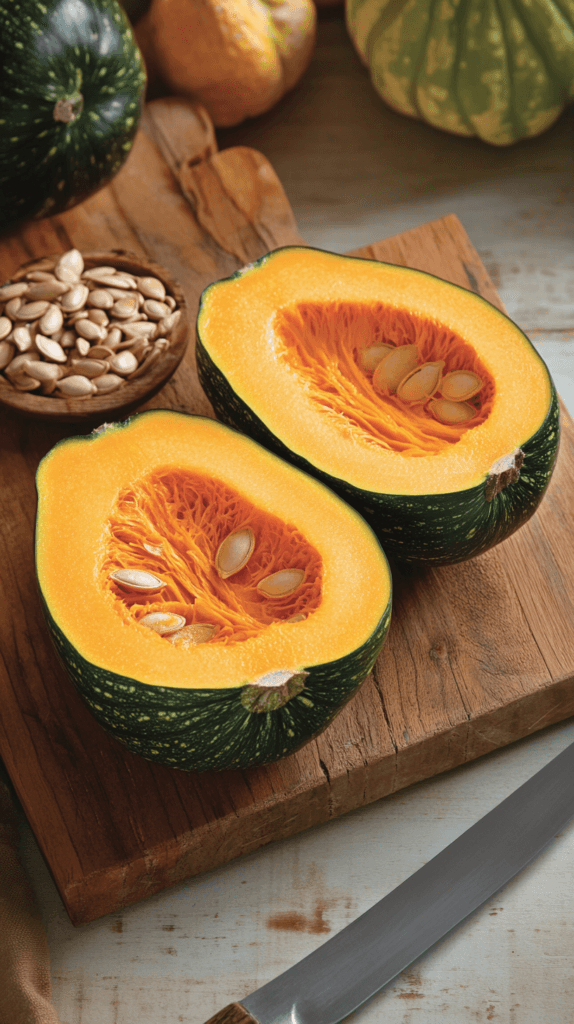
Kabocha squash, also called Japanese pumpkin, comes from Asian culinary traditions and is a staple in Japanese and Korean cooking. It has a firm, dark green rind with pale green stripes and dense, vibrant orange flesh. The flavor is sweet and nutty, often compared to sweet potato or chestnut, and it holds its shape well — which makes it a natural fit for soups, stews, and tempura.
Butternut squash is the Western pantry staple: smooth tan skin, a bell-like shape, and bright orange flesh that turns soft and buttery once cooked. Its natural sweetness works well in purees, soups, roasted vegetable medleys, and even desserts.
Kabocha leans into Asian-inspired cooking, but butternut squash substitutes in easily for fusion dishes — its mild sweetness and creamy texture adapt to almost any flavor profile you pair it with.
What does kabocha squash taste like? Kabocha tastes sweet and nutty, somewhere between sweet potato and chestnut. Its flesh is dense, fluffy and slightly dry when cooked, less watery than butternut squash.
Kabocha Squash vs. Butternut Squash: Key Differences
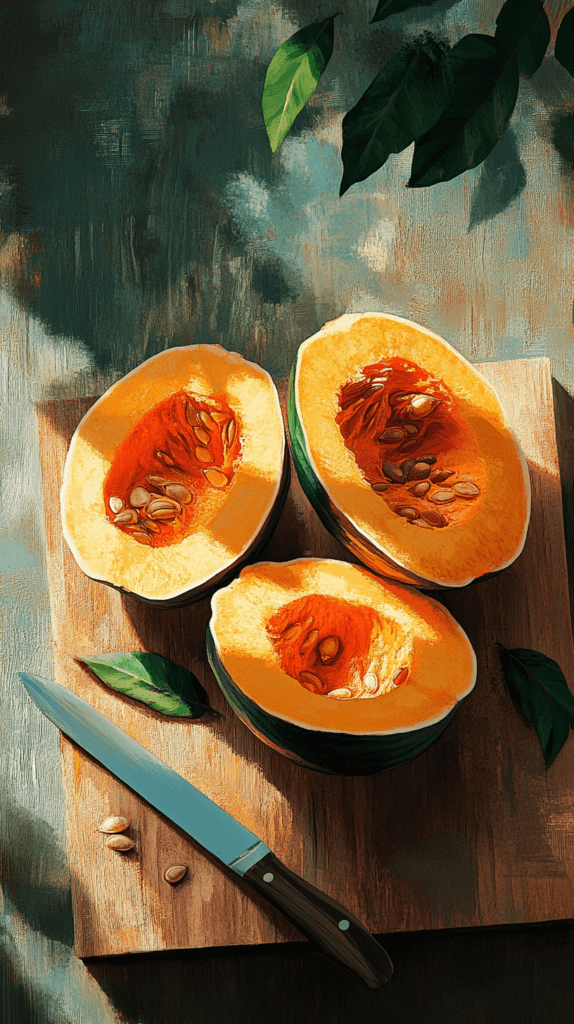
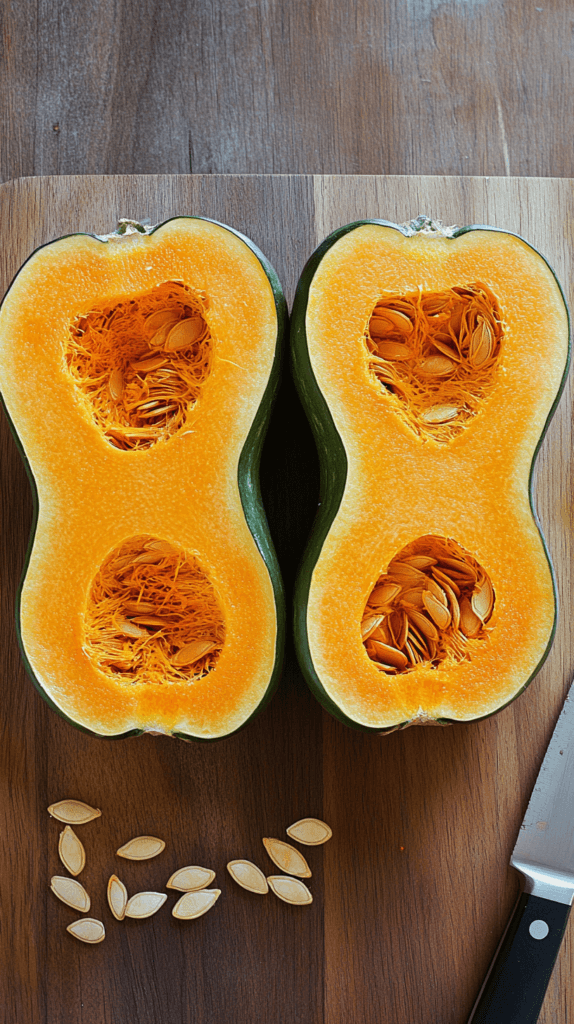
Flavor is the clearest divide: kabocha is nutty and earthy-sweet, while butternut leans caramel and buttery. Texture follows suit — kabocha is dense and firm, so it holds up to roasting and braising, while butternut softens into something closer to a puree once cooked.
Appearance makes them easy to tell apart at a glance: kabocha is squat and round with a dark green, pale-striped rind, while butternut has a smooth tan skin and an elongated neck with a bulbous base. Kabocha tends to show up in Asian grocery stores and can cost more; butternut is a supermarket regular and generally the more affordable pick.
For hearty, earthy dishes, reach for kabocha. For something creamy and sweet, butternut is the better call.
Kabocha vs Butternut Squash Nutrition
Per cup, kabocha has about half the calories, carbs and fiber of butternut squash, while butternut has more vitamin A and vitamin C. Both are nutrient-dense, but the numbers diverge more than you’d expect.
| Nutrient | Kabocha Squash (1 cup) | Butternut Squash (1 cup) |
|---|---|---|
| Calories | 30 | 63 |
| Carbohydrates | 7 grams | 16 grams |
| Fiber | 1.5 grams | 3 grams |
| Vitamin A | 70% of daily value | 127% of daily value |
| Vitamin C | 15% of daily value | 35% of daily value |
Values are approximate and change with the size of the squash and how it is cooked. For exact figures, check USDA FoodData Central.
Kabocha is lower in calories and carbs, making it a solid pick for low-carb or keto cooking, plus it delivers a good dose of beta-carotene for eye health. Butternut brings more vitamin A and fiber per cup, which supports digestion and gut health. Both are loaded with antioxidants that support immunity and skin health — the choice comes down to what your recipe (and your macros) call for.
Do You Need to Peel Kabocha or Butternut Squash?
This is where the two squashes really part ways. Kabocha squash skin is thin and turns tender when cooked — it’s entirely edible, and most people leave it on. Butternut squash skin is thick and stays tough even after roasting, so it almost always needs to be peeled first.
For kabocha, the decision comes down to method: roasting or baking softens the skin enough that peeling is optional (and honestly not worth the extra step). For soups or purees, though, peeling first gives you a smoother, more consistent texture. Boiling or steaming leaves the skin firmer than roasting does, so peeling is the better call there too.
Leaving kabocha’s skin on isn’t just a shortcut — it adds dietary fiber and beta-carotene, and it cuts down on food waste.
| Squash Type | Skin Texture | Edible? | Best Cooking Method |
|---|---|---|---|
| Kabocha | Thin, slightly chewy | Yes | Roasting, baking |
| Acorn | Thin, tender when cooked | Yes | Roasting, steaming |
| Butternut | Thick, tough | No | Peel before cooking |
| Delicata | Thin, very tender | Yes | Roasting, frying |
| Spaghetti | Thick, inedible | No | Peel before cooking |
One quick note if you’re wary of skin on any winter squash: wash it thoroughly before cooking, and if you see a shiny wax coating (common on some grocery-store squash), give it an extra scrub or peel that squash instead.
How to Choose and Store Winter Squash
For kabocha, look for one that feels heavy for its size — that’s a sign of dense, fresh flesh. The rind should be hard and dull, not shiny. For butternut, look for firm, smooth skin with no soft spots, and check that the stem is intact and dry.
Whole, uncut squash keeps in a cool, dry place for up to a month. Once cut, wrap tightly or store in an airtight container in the fridge, where it’ll stay good for about a week.
Culinary Uses of Kabocha Squash
Kabocha’s dense texture and nutty flavor make it a natural fit for Asian-inspired dishes, whether roasted, steamed, or braised.
Popular Cooking Methods for Kabocha
- Roasting: Brings out its natural sweetness and creates a caramelized crust.
- Steaming or braising: Keeps its creamy texture — ideal for soups and curries.
- Tempura: A classic Japanese preparation that highlights its texture and flavor.
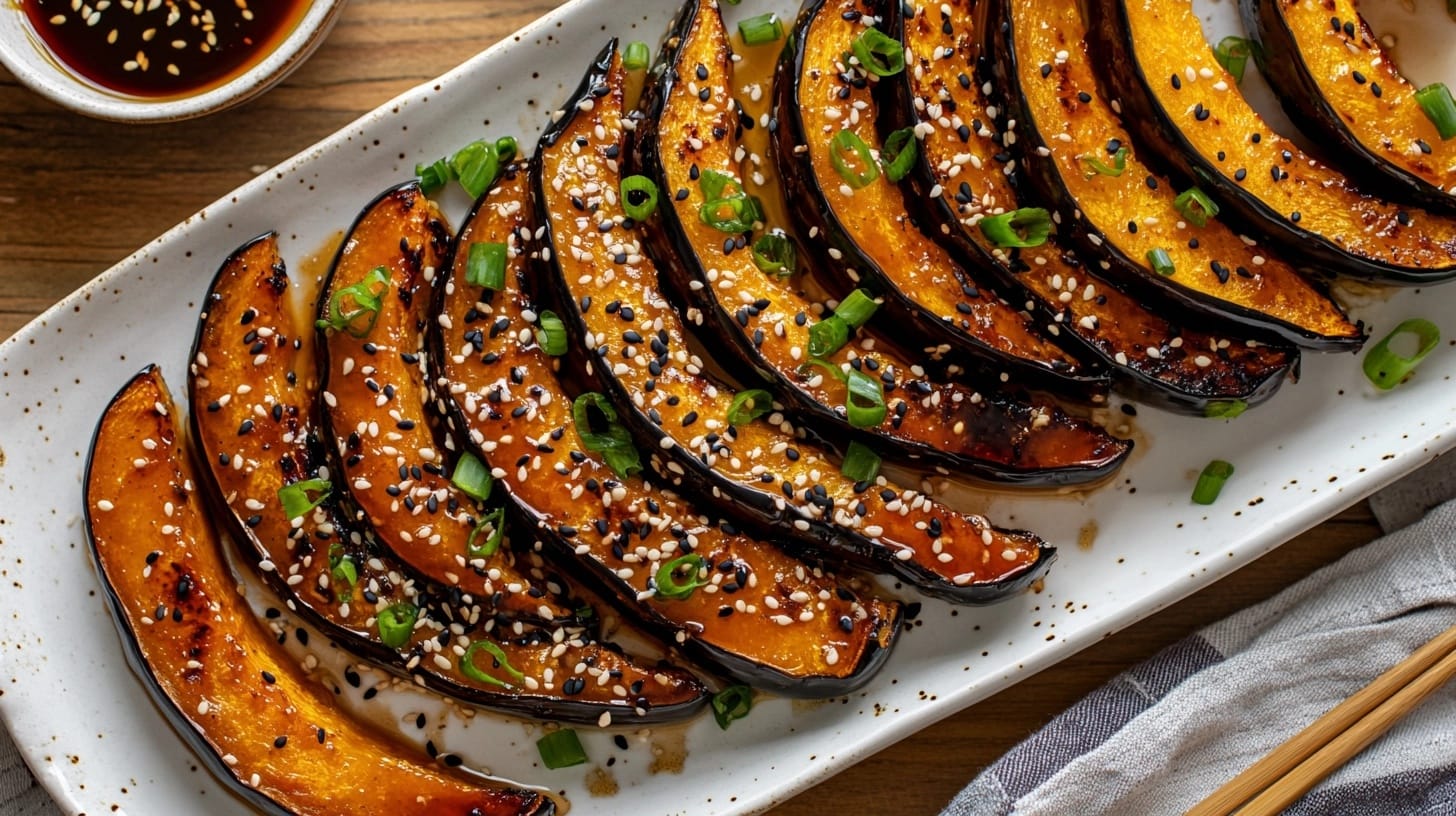
Highlight Recipe: Miso-Glazed Kabocha Squash
| Ingredients | Quantity |
|---|---|
| Kabocha squash | 1 small |
| Miso paste | 2 tablespoons |
| Soy sauce | 2 tablespoons |
| Maple syrup | 1 tablespoon |
| Sesame oil | 1 tablespoon |
| Olive oil | 1 tablespoon |
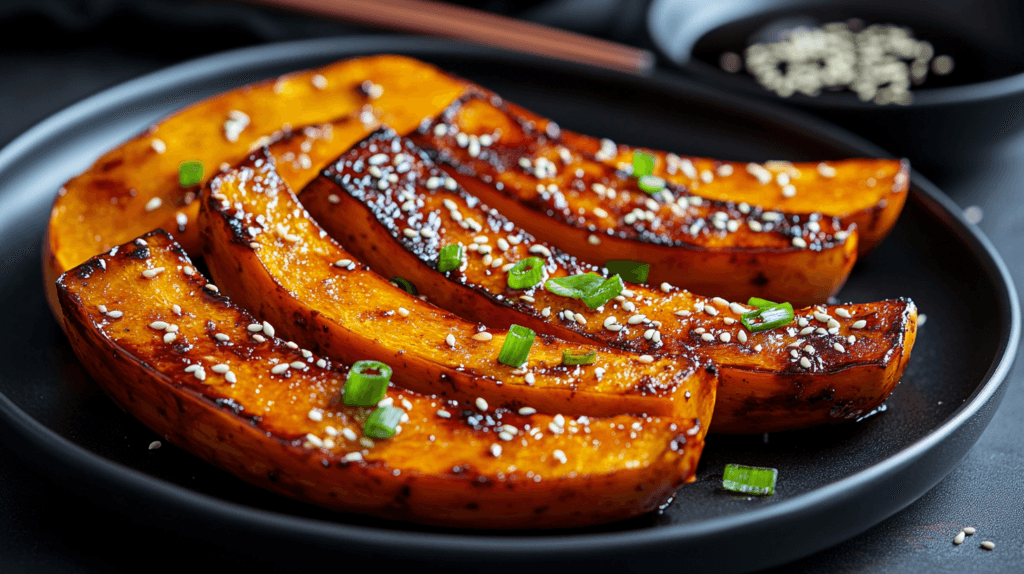
Roast kabocha slices, then coat them in this sweet-savory glaze. Serve alongside steamed rice or noodles, or on its own as a side dish. For more ways to cook kabocha in an Asian-inspired kitchen, check out our vegan kabocha recipe collection.
Culinary Uses of Butternut Squash
Butternut’s smooth, creamy texture and natural sweetness make it a go-to for both savory and sweet cooking — roasted as a side, blended into soups and sauces, or worked into desserts.
Popular Cooking Methods for Butternut
- Pureeing: Perfect for soups, sauces, and baby food.
- Roasting: Brings out its sweetness and creates caramelized edges.
- Blending: Works well in pasta sauces, smoothies, or desserts.
Butternut pairs especially well with cinnamon, nutmeg, and smoked paprika.
Highlight Recipe: Roasted Butternut Squash with Maple Glaze
| Ingredients | Quantity |
|---|---|
| Butternut squash | 1 medium |
| Olive oil | 2 tablespoons |
| Maple syrup | 1 tablespoon |
| Cinnamon | ½ teaspoon |
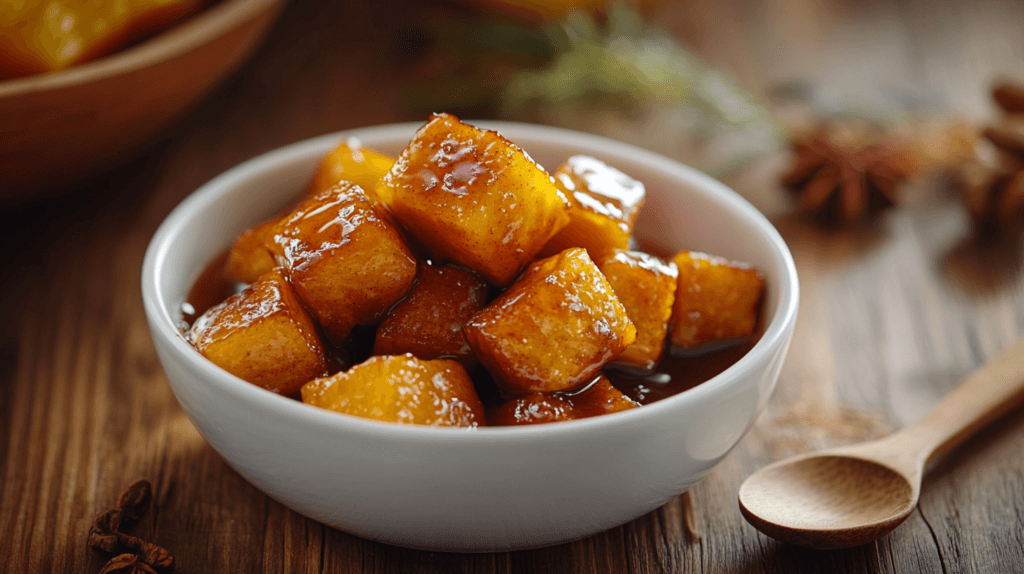
Toss peeled, cubed butternut with olive oil, maple syrup, and cinnamon, then roast until golden brown at the edges.
Best Squash for Asian-Inspired Recipes
Kabocha is usually the top pick for Asian cooking — its firm texture holds up in curries, stir-fries, and soups without breaking down. Butternut works too, especially in fusion dishes, where its mild sweetness gives classic Asian flavors a slightly different twist.
Try a creamy kabocha curry with coconut milk for something rich and traditional, or a butternut squash miso soup for a lighter spin. Both come together quickly and taste like you spent more time on them than you did. For a full lineup of kabocha-based recipes, see our Chinese kabocha squash recipes (vegan) collection.
Cooking Tips for Winter Squash
For kabocha, use a sharp, heavy knife to cut through the dense flesh and slice it into wedges. Skip the peeler — the skin softens during cooking. For butternut, a sturdy vegetable peeler handles the tougher skin easily; peel first, then cube or slice as your recipe calls for.
Roasting is the easiest way to bring out the natural sweetness in both squashes and get caramelized edges. Steaming or braising preserves a creamier texture and lets the squash soak up whatever broth or seasoning you’re cooking it in.
Kabocha vs Buttercup Squash
Buttercup is the squash most often confused with kabocha, and the closest substitute. Both are dense, sweet and nutty. Kabocha is usually a little sweeter, with a dark green, pale-striped rind. Buttercup is rounder, less sweet, and has a “button” ridge on the bottom. In most recipes you can swap one for the other.
FAQs
Is kabocha and butternut squash the same?
No. Both are winter squashes, but they differ in flavor, texture, appearance, and use. Kabocha has a dense, nutty, slightly sweet flesh and an edible skin; butternut squash is creamier and sweeter, with a tough skin that needs to be peeled.
What squash is closest to kabocha squash?
Buttercup squash is the closest match in flavor and texture — both are dense, sweet, and nutty. Acorn and delicata squash are good alternatives too, though slightly less sweet.
What’s the difference between kabocha and buttercup squash?
They’re very similar, but kabocha tends to be nuttier and sweeter, with a dark green, pale-striped rind. Buttercup is a bit less sweet, rounder, and has a distinctive “button” ridge on the bottom.
What is the American name for kabocha squash?
Kabocha is commonly called “Japanese pumpkin” in the US — a nod to its Asian origins, even though its flavor and texture are distinct from pumpkin.
Do you have to peel kabocha squash?
No. Kabocha’s skin is thin and turns tender when roasted or baked, so most people leave it on. If you’re making a smooth soup or puree, peeling first gives a more consistent texture.
Do you have to peel butternut squash?
Yes, almost always. Butternut’s skin stays thick and tough even after roasting, so it’s best removed with a vegetable peeler before cooking.
Conclusion
Kabocha and butternut squash are both versatile, nutrient-rich, and worth keeping in regular rotation — but they’re not interchangeable. Reach for kabocha when you want dense texture and nutty depth, especially in Asian-inspired dishes where you can skip peeling entirely. Reach for butternut when you want creamy, buttery sweetness in a soup, puree, or roast.
Keep both in your kitchen and you’ll always have the right squash for the dish in front of you.
Looking for more squash ideas? See whether you need to peel kabocha squash and our roasted spaghetti squash recipe.