
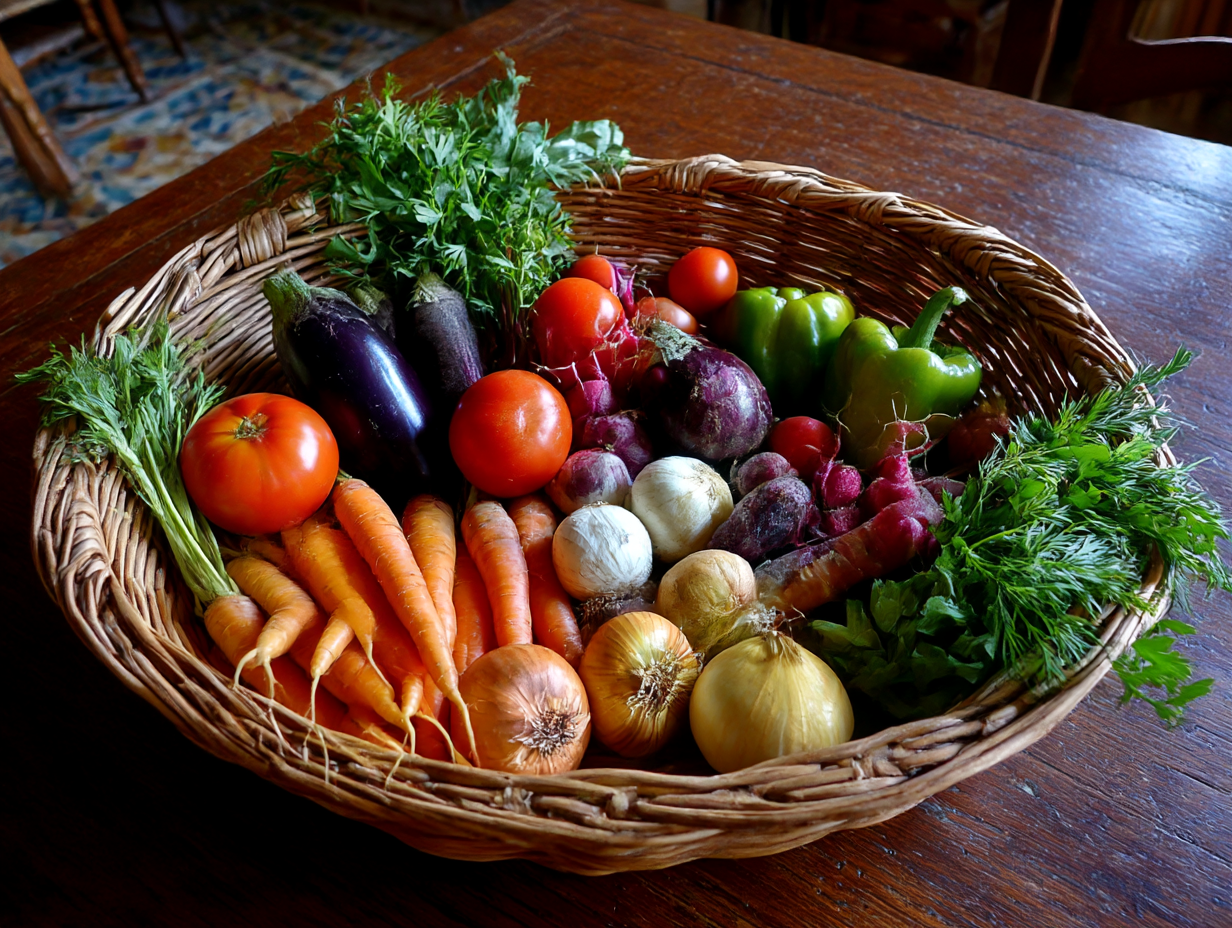
Starting your first garden? These 10 easiest vegetables to grow are perfect for beginners who want quick results and minimal hassle. From crisp lettuce to juicy tomatoes, these low-maintenance plants thrive in most climates and don’t need fancy equipment — just sunlight, soil, and a little care.
10 Easiest Vegetables to Grow for Beginner Gardening
- Total Time: 20 minutes
- Yield: Beginner garden
Description
Starting your first garden? These 10 easiest vegetables to grow are perfect for beginners who want quick results and minimal hassle. From crisp lettuce to juicy tomatoes, these low-maintenance plants thrive in most climates and don’t need fancy equipment — just sunlight, soil, and a little care.
Ingredients
- Lettuce seeds
- Radish seeds
- Green bean seeds
- Tomato seedlings or seeds
- Zucchini seeds
- Carrot seeds
- Spinach seeds
- Cucumber seeds
- Pea seeds
- Bell pepper seedlings or seeds
Instructions
- Choose a sunny location with good soil drainage.
- Start with cool-season crops like lettuce, spinach, carrots, and peas early in the spring.
- Sow seeds according to packet instructions, spacing them properly.
- Keep the soil moist but not soggy.
- As the weather warms, plant tomatoes, peppers, cucumbers, and zucchini.
- Use containers if space is limited — especially for lettuce, spinach, tomatoes, and peppers.
- Harvest regularly to encourage more growth.
- Rotate crops each season to prevent soil depletion.
- Use compost or organic soil for added nutrients.
- Enjoy your homegrown veggies in fresh, delicious recipes like Cucumber Carrot Salad or Fresh Basil Cherry Tomato Pie.
Notes
Start small, stay consistent with watering, and don’t stress — gardening is a rewarding and relaxing hobby for all ages.
- Prep Time: 20 minutes
- Cook Time: 0 minutes
- Category: Gardening Guide
- Method: Outdoor
- Cuisine: N/A
Nutrition
- Serving Size: 1 beginner garden
- Calories: 0
- Sugar: 0g
- Sodium: 0mg
- Fat: 0g
- Saturated Fat: 0g
- Unsaturated Fat: 0g
- Trans Fat: 0g
- Carbohydrates: 0g
- Fiber: 0g
- Protein: 0g
- Cholesterol: 0mg
Keywords: easy vegetables to grow, beginner gardening, homegrown veggies, vegetable gardening tips
Table of Contents
Why You’ll Love Growing Your Own Veggies
- Budget-friendly: Fresh produce at a fraction of store prices.
- Healthier meals: Homegrown vegetables taste better and are packed with nutrients.
- Eco-conscious: Reduces waste and supports sustainable living.
- Stress-relieving: Gardening is relaxing, rewarding, and fun for all ages.
Once you harvest your fresh produce, try using it in dishes like Cucumber Carrot Salad or a light Fresh Basil Cherry Tomato Pie for a farm-to-table feel at home.
1. Lettuce
Lettuce grows quickly, even in small spaces or containers. You can harvest baby leaves in just a few weeks. It prefers cool weather and partial shade — perfect for spring or fall gardening.
2. Radishes
One of the fastest-growing vegetables, radishes mature in as little as 25 days. They thrive in well-drained soil and can be sown every few weeks for a steady supply.
3. Green Beans
Whether you plant bush or pole beans, they’re dependable producers that love sunlight. Keep the soil moist, and you’ll have a continuous harvest throughout summer.
4. Tomatoes
Tomatoes are garden favorites because they’re rewarding and versatile. Choose compact cherry tomato varieties for small gardens or containers — and use them in recipes like Italian Pasta Salad.
5. Zucchini
Zucchini plants are incredibly productive and easy to grow. With just one or two plants, you’ll have plenty for sautéing, grilling, or baking. Harvest regularly to keep them producing.
6. Carrots
Carrots grow best in loose, sandy soil. Choose short varieties if your soil is heavy. They take a bit longer to mature but require little attention after planting.
7. Spinach
Spinach thrives in cooler weather and grows rapidly. It’s a great early spring or fall crop and can be harvested leaf by leaf for weeks of fresh greens.
8. Cucumbers
Cucumbers love warmth and sunlight. Plant them near a trellis or fence so they can climb, saving space while producing crunchy, refreshing fruits.
9. Peas
Peas are perfect for cooler temperatures and can be planted early in the season. They’re low-maintenance and delicious fresh from the vine or tossed into stir-fries.
10. Bell Peppers
Colorful, sweet, and easy to grow, bell peppers do well in containers or garden beds. Keep them in full sun, and you’ll enjoy a long harvest season.
Tips for Gardening Success
- Start small: Focus on a few easy plants before expanding.
- Use good soil: Rich, well-draining soil is key to healthy plants.
- Water wisely: Consistent moisture helps prevent stress and disease.
- Rotate crops: Avoid planting the same veggie in the same spot each year.
After your first harvest, reward yourself with a hearty homemade dish like Best Macaroni Salad Recipe or creamy comfort food such as Creamy Ground Beef Skillet.
Container Gardening Options
No yard? No problem. Many of these vegetables — especially lettuce, spinach, tomatoes, and peppers — grow beautifully in containers. Just make sure they get at least 6 hours of sunlight daily and regular watering.
FAQs
What month should I start planting vegetables?
Most vegetables can be started in early spring once the danger of frost has passed, but cool-season crops like lettuce and peas can be planted earlier.
Do I need fertilizer for beginner vegetables?
Not necessarily — compost or organic potting soil provides plenty of nutrients for easy crops like these.
Can I grow vegetables indoors?
Yes! Herbs, lettuce, and microgreens grow well indoors with enough light and warmth.
More to Try
- Cozy Sheet Pan Dinner Ideas for Fall
- Roasted Delicata Squash
- Savory Apple Salad
- Creamy Roasted Tomato Basil Soup
- Charcuterie Board
Conclusion
Growing your own food doesn’t have to be complicated. These 10 easiest vegetables to grow are beginner-friendly, productive, and rewarding. With just a little care and sunshine, you’ll be harvesting your own fresh produce and cooking garden-to-table meals in no time.