
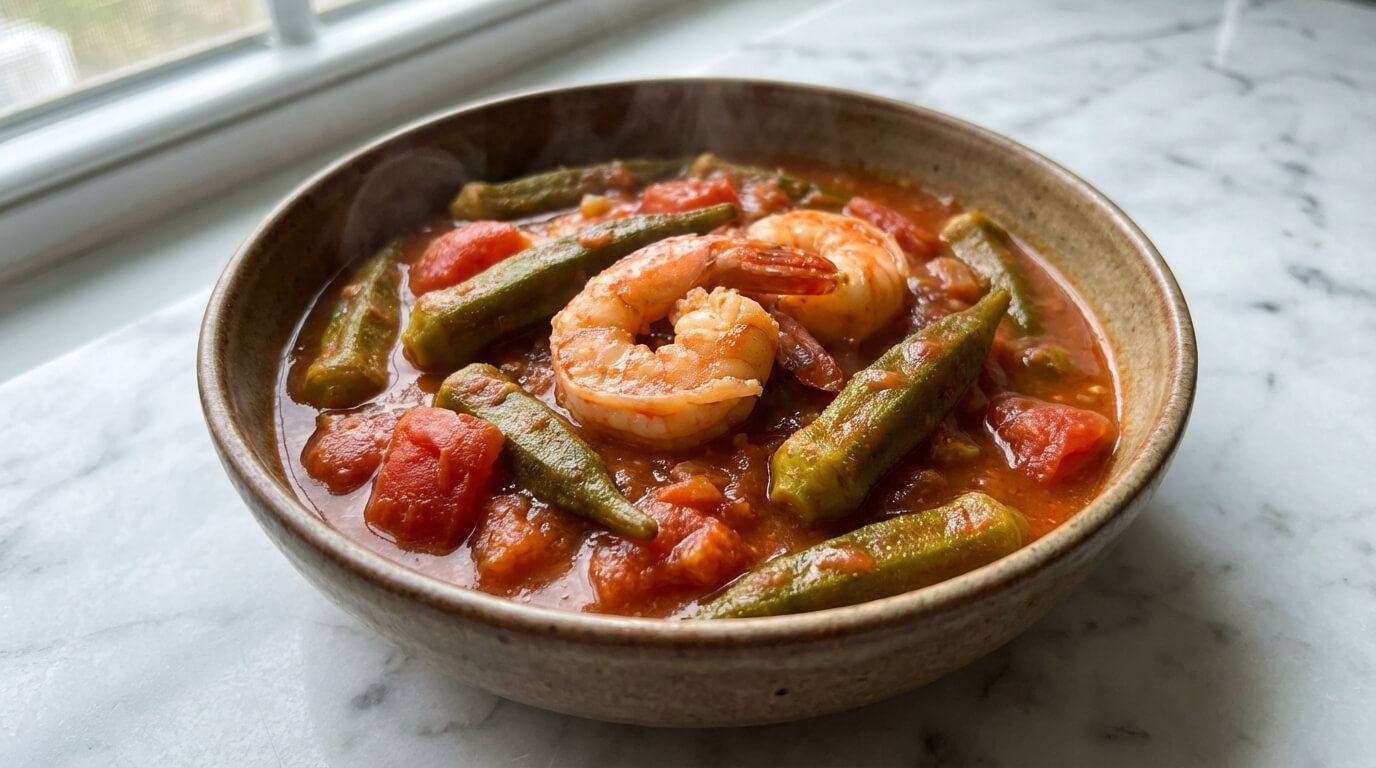
Stewed okra and tomatoes is one of those timeless Southern recipes that never goes out of style. Loved for its simplicity, bold flavor, and comforting texture, this classic dish highlights fresh okra slowly cooked with ripe tomatoes, onions, and savory seasonings. Whether you’re searching for a southern stewed okra and tomatoes recipe, wondering how to cook fresh okra and tomatoes, or looking for the best okra and tomatoes recipe to serve as a side or main, this guide covers it all. In this article, you’ll learn the history behind old fashioned stewed okra and tomatoes, step-by-step cooking methods, popular variations like stewed okra and tomatoes with shrimp, and expert tips to achieve rich flavor without excess slime. By the end, you’ll understand why stewed okra and tomatoes remains a staple of Southern home cooking and a favorite comfort food across generations. For another Southern-style variation, take a look at this okra and tomatoes recipe, which uses the same fresh, simple ingredients.
What Is Stewed Okra and Tomatoes?
Stewed okra and tomatoes is a classic Southern vegetable dish made by slowly simmering fresh okra with tomatoes, onions, and simple seasonings until everything becomes tender and flavorful. While the ingredient list is modest, the result is a deeply satisfying recipe that delivers comfort, balance, and tradition in every bite. This dish can be served as a side, enjoyed as a light main, or enhanced with proteins like shrimp or sausage for a heartier meal. Because it relies on basic pantry staples and seasonal produce, stewed okra and tomatoes has long been a practical and beloved recipe in Southern kitchens.
Southern Roots of Stewed Okra and Tomatoes
The origins of stewed okra and tomatoes are closely tied to Southern food history. Okra itself was introduced to the American South through African influence, while tomatoes became widely used as they were embraced in regional cooking. Over time, Southern cooks combined these two ingredients into a simple stew that could stretch across meals and feed families affordably. As a result, southern stewed okra and tomatoes became a staple on farmhouse tables, church suppers, and Sunday dinners. The dish reflects the Southern tradition of slow cooking, seasonal eating, and letting vegetables shine without unnecessary complexity.
Why Stewed Okra and Tomatoes Is a Timeless Comfort Food
What makes stewed okra and tomatoes endure is its versatility and familiarity. The soft texture of okra, paired with the acidity of tomatoes, creates a balanced dish that feels both hearty and light. Additionally, this recipe adapts easily to personal tastes, whether you prefer it mildly seasoned, spicy, chunky, or smooth. Many home cooks consider it an old fashioned stewed okra and tomatoes recipe because it reminds them of meals prepared by parents and grandparents. Because it’s easy to prepare, budget-friendly, and naturally nutritious, stewed okra and tomatoes continues to earn its place as a comforting, dependable dish that fits effortlessly into modern and traditional Southern cooking alike.
Print
Stewed Okra and Tomatoes (Classic Southern Comfort Dish)
- Total Time: 40 minutes
- Yield: 4 servings 1x
- Diet: Vegan
Description
A timeless Southern comfort food, stewed okra and tomatoes brings together tender okra, ripe tomatoes, and savory aromatics in a richly seasoned stew. Perfect as a side or main dish.
Ingredients
- 1 lb fresh okra, sliced
- 1 tbsp olive oil or butter
- 1 medium onion, chopped
- 2 cloves garlic, minced (optional)
- 2 cups fresh or canned diced tomatoes
- Salt, to taste
- Black pepper, to taste
- 1/4 tsp paprika or cayenne pepper (optional)
- 1/2 tsp dried thyme (optional)
Instructions
- Wash and thoroughly dry the okra. Trim the ends and slice into even pieces.
- In a large skillet or pot, heat the olive oil or butter over medium heat.
- Add chopped onions (and garlic if using) and sauté until soft and translucent.
- Add the sliced okra and cook for 5 minutes, stirring occasionally to reduce slime.
- Stir in the diced tomatoes and season with salt, pepper, and any additional spices.
- Reduce heat to low and let the mixture simmer gently for 25–30 minutes, stirring occasionally, until the okra is tender and the sauce has thickened.
- Adjust seasoning to taste before serving.
Notes
Use smaller okra pods for better texture. Drying the okra before slicing and sautéing helps reduce sliminess. Add shrimp in the last few minutes for a protein-packed variation.
- Prep Time: 10 minutes
- Cook Time: 30 minutes
- Category: Side Dish
- Method: Stovetop
- Cuisine: Southern
Nutrition
- Serving Size: 1 cup
- Calories: 90
- Sugar: 4g
- Sodium: 180mg
- Fat: 4g
- Saturated Fat: 0.5g
- Unsaturated Fat: 3g
- Trans Fat: 0g
- Carbohydrates: 11g
- Fiber: 4g
- Protein: 2g
- Cholesterol: 0mg
Keywords: southern stewed okra and tomatoes, okra recipe, old fashioned, tomato stew, southern cooking
History and Cultural Significance of Stewed Okra and Tomatoes
Stewed okra and tomatoes is more than a simple vegetable dish—it’s a recipe shaped by migration, tradition, and regional adaptation. Its long-standing place in Southern cuisine reflects how different cultures influenced one another and how home cooks transformed humble ingredients into something lasting. Understanding where this dish comes from helps explain why it remains such a powerful symbol of comfort and heritage today.
African and Creole Influences on Stewed Okra and Tomatoes
Okra’s journey to the American South began in West Africa, where it was commonly used in soups and stews. Enslaved Africans brought okra seeds and cooking knowledge with them, laying the foundation for many Southern okra-based dishes. Tomatoes, which were initially viewed with suspicion in early American cooking, eventually became accepted and widely used, especially in stewed preparations. When these two ingredients came together, they created a dish that echoed African cooking techniques while adapting to local Southern produce.
In Louisiana and coastal regions, Creole and Cajun cuisines further shaped the recipe. Creole versions of stewed okra and tomatoes often included garlic, peppers, and spices, giving rise to what many now recognize as a creole okra and tomatoes recipe. These variations blurred the line between vegetable stew and gumbo-style dishes, reinforcing okra’s role as both a thickener and a flavor carrier. Over time, these influences spread throughout the South, contributing to the wide range of okra and tomato recipes we see today.
Old Fashioned Stewed Okra and Tomatoes in Southern Kitchens
In many Southern households, stewed okra and tomatoes became a dependable, everyday recipe rather than a special-occasion dish. Fresh okra from backyard gardens and home-canned tomatoes made it an economical option, especially during the summer months. This practicality is why so many families refer to it as old fashioned stewed okra and tomatoes—it was cooked frequently, passed down orally, and rarely written down.
The recipe also fit seamlessly into the Southern tradition of vegetable-forward meals. It was often served alongside cornbread, rice, or other southern okra recipes, making it flexible enough to complement both meat-heavy dinners and lighter plates. Because it required patience rather than precision, home cooks learned to adjust seasoning, texture, and cook time by instinct. That adaptability is a big reason stewed okra and tomatoes has survived generations of changing food trends while remaining rooted in Southern identity.
Ingredients for the Best Stewed Okra and Tomatoes
The beauty of stewed okra and tomatoes lies in its simplicity. With just a handful of ingredients, this dish delivers deep flavor and satisfying texture. However, ingredient quality matters. Choosing fresh produce and the right supporting elements can make the difference between an average dish and the best okra and tomatoes recipe you’ll ever make.
Choosing Fresh Okra for Stewed Okra and Tomatoes
Fresh okra is the star of this recipe, so selecting it carefully is essential. Look for pods that are bright green, firm, and no longer than four inches. Smaller okra tends to be more tender and less fibrous, which is ideal for stewing. Avoid pods with brown spots, wrinkles, or excessive softness, as these are signs of age.
When preparing okra, rinse it well and dry it completely before slicing. This step helps reduce excess slime during cooking, which is one of the most common concerns when learning how to cook fresh okra and tomatoes. Cutting the okra into uniform pieces ensures even cooking and a consistent texture throughout the dish. While fresh okra is preferred, frozen okra can be used when fresh isn’t available, though it may release more moisture during cooking. If you enjoy cooking with okra, these Southern okra recipes offer plenty of traditional ideas worth trying.
Tomatoes, Aromatics, and Seasoning Essentials
Tomatoes provide the acidity and richness that balance okra’s earthy flavor. Fresh, ripe tomatoes are ideal, especially during peak season, but canned diced or crushed tomatoes work well year-round. Many Southern cooks rely on home-canned tomatoes for an authentic, old-fashioned taste. The key is choosing tomatoes with good acidity to prevent the dish from tasting flat.
Onions are a must, adding sweetness and depth as they soften during the stew. Some recipes also include garlic or bell peppers, especially in Creole-style variations. For seasoning, salt and black pepper are essential, while optional additions like paprika, cayenne, or thyme can enhance flavor without overpowering the vegetables. A small amount of oil or butter helps sauté the aromatics and adds richness, rounding out the classic profile of southern stewed okra and tomatoes.
How to Cook Fresh Okra and Tomatoes Step by Step
Learning how to cook fresh okra and tomatoes properly is the key to achieving great flavor and the right texture. While the process is simple, a few technique choices can greatly affect the final result. Stewed okra and tomatoes rewards patience, gentle heat, and thoughtful preparation, making it ideal for cooks of all skill levels.

Prepping Okra to Reduce Slime
One of the biggest concerns when making stewed okra and tomatoes is controlling okra’s natural slime. While some traditional Southern cooks don’t mind it, most prefer a thicker, stew-like texture rather than something overly slick. The first step is proper preparation. After washing the okra, dry it thoroughly. Excess moisture increases slime during cooking, so this step shouldn’t be rushed.
Next, trim the stem ends and slice the okra into even rounds. Some cooks prefer larger pieces, while others opt for smaller cuts, but consistency matters more than size. Lightly sautéing the okra in oil before adding tomatoes can also help reduce slime. This quick cooking step seals the cut edges and minimizes mucilage release, which is especially helpful if you’re new to making stewed okra recipes.
Cooking Techniques for Tender Stewed Okra and Tomatoes
To begin cooking, heat a heavy-bottomed skillet or pot over medium heat and add oil or butter. Sauté chopped onions until they become soft and translucent, then add the okra and cook briefly, stirring often. Once the okra begins to soften, stir in the tomatoes along with any seasonings. The acidity from the tomatoes plays an important role here, as it helps further control slime while adding depth of flavor.
Lower the heat and allow the mixture to simmer gently. Stewed okra and tomatoes shouldn’t boil aggressively, as high heat can cause the vegetables to break down too quickly. Instead, let the dish cook slowly until the okra becomes tender and the tomatoes form a rich, slightly thickened sauce. Stir occasionally to prevent sticking, and adjust seasoning as needed. This slow, steady approach is what gives southern stewed okra and tomatoes its signature comforting texture and well-balanced taste. This slow-simmering approach is similar to techniques used in this braised vegetables recipe.
Southern Stewed Okra and Tomatoes Variations
One of the reasons stewed okra and tomatoes has remained popular for generations is its flexibility. While the base recipe stays largely the same, Southern cooks have created countless variations based on region, family tradition, and available ingredients. These adaptations allow the dish to feel familiar yet never boring, making it easy to tailor to different tastes and occasions.
Old Fashioned Stewed Okra and Tomatoes Recipe
The old fashioned version of stewed okra and tomatoes is all about simplicity. This variation typically uses fresh okra, tomatoes, onions, salt, and black pepper, with little to no additional seasoning. The focus is on slow cooking and letting the natural flavors develop over time. Many traditional recipes rely on butter or bacon grease for richness, which adds depth without overpowering the vegetables.
What sets old fashioned stewed okra and tomatoes apart is texture and patience. The dish is often simmered longer, allowing the okra to soften completely and the tomatoes to break down into a thick, spoonable sauce. This version is commonly served with cornbread or over rice, making it a comforting staple that feels both hearty and humble. For many families, this is the version that tastes like childhood and Sunday dinners.
Creole Stewed Okra and Tomatoes Recipe
In contrast, Creole-style stewed okra and tomatoes brings bolder flavors and more complexity. Influenced by Louisiana cooking, this variation often includes garlic, bell peppers, celery, and a blend of spices. Some recipes add a touch of cayenne or paprika for gentle heat, while others incorporate herbs like thyme or bay leaf for depth.
A creole okra and tomatoes recipe may also serve as a base for heartier dishes, such as those that include shrimp or sausage. The vegetables are typically sautéed longer before simmering, which builds layers of flavor early in the cooking process. While still rooted in Southern tradition, this version leans closer to gumbo-style cooking and showcases how stewed okra and tomatoes can evolve while staying true to its origins.
Popular Add-Ins and Protein Options
While stewed okra and tomatoes is often enjoyed as a vegetable-focused dish, many Southern cooks like to turn it into a more filling meal by adding protein. These additions don’t just make the dish heartier—they also introduce new layers of flavor that complement the okra and tomatoes beautifully. Whether you prefer seafood, meat, or plant-based options, this recipe adapts easily without losing its Southern character.
Stewed Okra and Tomatoes With Shrimp
One of the most popular upgrades is stewed okra and tomatoes with shrimp. This variation is especially common in coastal Southern cooking and Creole kitchens. Shrimp adds a subtle sweetness and tender bite that pairs perfectly with the acidity of tomatoes and the earthiness of okra. To keep the shrimp from overcooking, it’s usually added during the final few minutes of simmering, just until it turns pink and opaque.
This version is often seasoned a bit more boldly, sometimes with garlic, paprika, or a touch of cayenne. It’s commonly served over rice, allowing the tomato-based sauce to soak in and create a satisfying, well-balanced meal. For many home cooks, this shrimp variation represents the perfect middle ground between a light vegetable stew and a full entrée. For more traditional seasoning ideas, Southern okra recipes show how small changes can transform flavor.
Meatless and Vegan Stewed Okra Recipe Options
For those who prefer a lighter or plant-based approach, stewed okra and tomatoes works exceptionally well as a meatless dish. In fact, many traditional recipes were naturally vegetarian, relying on vegetables and simple seasonings for flavor. Using olive oil instead of butter or bacon fat keeps the dish vegan while still delivering richness.
Some cooks add extra vegetables like corn, zucchini, or onions to increase texture and nutritional value. Others boost flavor with smoked paprika or vegetable broth to replace the depth typically provided by meat. These adjustments make it easy to enjoy a stewed okra recipe that fits modern dietary preferences while staying rooted in Southern tradition.
Flavor Tips for the Best Okra and Tomatoes Recipe
Perfecting stewed okra and tomatoes isn’t about complicated techniques—it’s about balance. When the flavors are layered thoughtfully, this simple dish becomes rich, comforting, and deeply satisfying. A few key tips can help you avoid common pitfalls and consistently produce the best okra and tomatoes recipe, whether you’re cooking it for the first time or the hundredth.
How to Balance Acidity and Sweetness
Tomatoes bring natural acidity to stewed okra and tomatoes, which helps control okra’s texture and brightens the overall flavor. However, too much acidity can make the dish taste sharp. To balance this, many Southern cooks rely on onions, which soften and sweeten as they cook. Allowing the onions to fully sauté before adding other ingredients helps mellow the tomatoes and create a more rounded taste.
If the dish still tastes overly acidic, a small pinch of sugar can help, though it should be used sparingly. Another option is adding a knob of butter near the end of cooking, which smooths out harsh notes and adds richness. These subtle adjustments are often what separate an average stew from a truly memorable southern stewed okra and tomatoes dish.
Common Mistakes When Making Stewed Okra and Tomatoes
One of the most common mistakes is cooking the dish at too high a temperature. Boiling stewed okra and tomatoes aggressively can cause the vegetables to break down unevenly and release excess slime. Instead, a gentle simmer allows the okra to soften gradually while the tomatoes thicken into a cohesive sauce.
Another mistake is under-seasoning. Because this dish relies on a small number of ingredients, proper seasoning is essential. Salt should be added early to draw out moisture, then adjusted toward the end to ensure balanced flavor. Overcrowding the pan or adding too much liquid can also dilute the stew, resulting in a watery texture. By keeping these points in mind, you’ll be well on your way to mastering a dependable and flavorful stewed okra recipe.
Serving Suggestions and Pairings
Stewed okra and tomatoes is incredibly versatile when it comes to serving. It works just as well as a simple side dish as it does as part of a larger, comforting Southern meal. Because of its balanced flavor and soft texture, it pairs easily with a wide range of foods and can be adapted for different occasions without much effort.
What to Serve With Southern Stewed Okra and Tomatoes
Traditionally, southern stewed okra and tomatoes is served alongside classic comfort foods. Cornbread is one of the most popular pairings, as its slightly sweet, crumbly texture contrasts beautifully with the savory tomato-based stew. White rice is another staple option, especially when the dish includes extra sauce or add-ins like shrimp. The rice absorbs the flavors and turns the dish into a filling, well-rounded meal.
This recipe also pairs well with grilled or roasted meats such as chicken, pork chops, or fish. The acidity from the tomatoes helps cut through richer proteins, creating a balanced plate. For lighter meals, stewed okra and tomatoes can be served with other vegetable sides or enjoyed on its own as a satisfying, plant-forward dish.
How to Store and Reheat Stewed Okra and Tomatoes
One of the advantages of stewed okra and tomatoes is how well it stores. After cooling, leftovers can be kept in an airtight container in the refrigerator for up to four days. In fact, many people find that the flavors improve after a day, making it an excellent make-ahead dish.
When reheating, use low to medium heat on the stovetop and stir occasionally to maintain texture. If the stew has thickened too much, a small splash of water or broth can help loosen it without diluting the flavor. Stewed okra and tomatoes can also be frozen for longer storage, though the texture of the okra may soften slightly after thawing. Even so, it remains a convenient and flavorful option for future meals.
Nutritional Benefits of Okra and Tomatoes
Beyond its comforting flavor and versatility, stewed okra and tomatoes is also a nutrient-rich dish that fits well into a balanced diet. Made primarily from whole vegetables, this Southern classic delivers fiber, vitamins, and antioxidants without relying on heavy processing or added sugars. That combination is one more reason it has remained a staple in home cooking for generations.
Health Benefits of Okra in Stewed Okra Recipes
Okra is packed with dietary fiber, which supports digestion and helps promote a feeling of fullness. This makes stewed okra recipes especially appealing for those looking for satisfying meals that don’t feel heavy. Okra also contains vitamins C and K, along with folate and magnesium, all of which play important roles in immune function, bone health, and overall wellness.
Another benefit of okra is its natural thickening ability. Because it helps create body in stews without flour or starch, stewed okra and tomatoes can be lighter than many traditional comfort foods. When prepared with minimal fat, it becomes a nutrient-dense dish that supports heart health and steady energy levels.
Why Tomatoes Make This Dish Heart-Healthy
Tomatoes contribute more than flavor to stewed okra and tomatoes. They’re an excellent source of vitamin C, potassium, and lycopene, a powerful antioxidant linked to heart health. Cooking tomatoes actually increases the availability of lycopene, making stewed dishes an effective way to enjoy their nutritional benefits.
The acidity of tomatoes also plays a functional role by balancing flavors and helping preserve the dish naturally. When combined with okra, tomatoes create a meal that’s low in calories but high in nutrients, making southern stewed okra and tomatoes a smart choice for everyday eating.
FAQs About Stewed Okra and Tomatoes
What is southern stewed okra and tomatoes?
Southern stewed okra and tomatoes is a traditional vegetable dish made by simmering fresh okra with tomatoes, onions, and simple seasonings. It’s commonly served as a side or light main dish in Southern cooking.
How do you cook fresh okra and tomatoes without slime?
To reduce slime, dry the okra thoroughly before cutting, sauté it briefly in oil, and add tomatoes early in the cooking process. The acidity of the tomatoes helps control okra’s natural mucilage.
Can you make stewed okra and tomatoes with shrimp?
Yes, stewed okra and tomatoes with shrimp is a popular variation. Shrimp is typically added near the end of cooking so it stays tender and doesn’t overcook.
What is the best okra and tomatoes recipe for beginners?
A simple recipe using fresh okra, canned or fresh tomatoes, onions, salt, and pepper is ideal for beginners. Keeping the ingredients minimal makes it easier to control flavor and texture.
What makes old fashioned stewed okra and tomatoes different?
Old fashioned stewed okra and tomatoes focuses on simplicity, slow cooking, and minimal seasoning. It relies on patience rather than spices to develop flavor.
Is there a creole okra and tomatoes recipe variation?
Yes, Creole versions often include garlic, bell peppers, spices, and sometimes seafood or sausage. These variations are bolder and influenced by Louisiana-style cooking.
Conclusion: Why Stewed Okra and Tomatoes Belongs on Your Table
Stewed okra and tomatoes is more than just a recipe—it’s a reflection of Southern history, resourceful cooking, and timeless comfort. With its simple ingredients, adaptable nature, and rich flavor, it fits just as easily into modern kitchens as it did generations ago. Whether you prefer an old fashioned version, a Creole-inspired twist, or stewed okra and tomatoes with shrimp, this dish offers something for everyone. By PROMPTmastering a few basic techniques and understanding its roots, you can enjoy one of the South’s most enduring and satisfying vegetable dishes anytime you crave real, honest comfort food. For a deeper look at this classic dish, stewed okra and tomatoes remains a staple in Southern home cooking.