
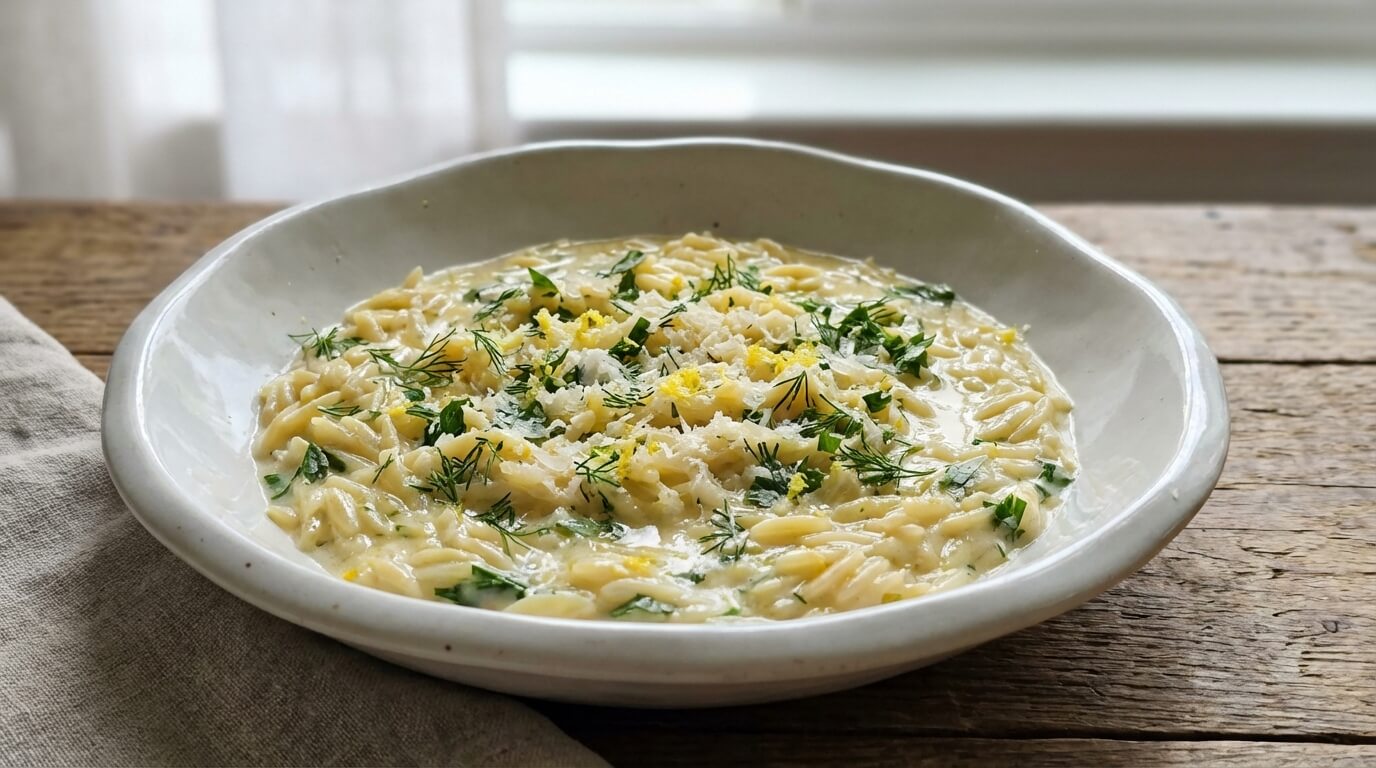
An orzo side dish is one of those simple yet impressive additions that can instantly elevate any meal. Whether you’re serving chicken, fish, salmon, steak, or a vegetarian main, orzo fits right in thanks to its light texture and ability to absorb flavor. In this guide, you’ll learn exactly how to make a simple orzo side dish, how to customize it with lemon, vegetables, or creamy sauces, and how to pair it with different proteins for balanced, satisfying meals. Along the way, we’ll also explore healthier swaps, classic Italian traditions, and practical tips so your orzo side dish turns out perfect every time. Learn more about orzo recipes as we break down everything you need to know to turn this pantry staple into a go-to side dish you’ll make again and again.
Understanding the Orzo Side Dish
What Is Orzo and Why It Works as a Side Dish
An orzo side dish is a versatile, crowd-pleasing option that bridges the gap between rice and pasta. Although orzo looks like rice, it’s actually a small, rice-shaped pasta made from wheat. Because of its size and smooth texture, it cooks quickly and absorbs flavors exceptionally well. That’s one of the main reasons a simple orzo side dish works with so many meals, from weeknight dinners to special occasions.
Unlike larger pasta shapes, orzo doesn’t overpower the plate. Instead, it complements the main dish, which makes it ideal as a side for chicken, fish, salmon, or steak. At the same time, it’s hearty enough to stand on its own when mixed with vegetables, herbs, or a light sauce. Because of that balance, many home cooks rely on an orzo side dish when they want something comforting but not heavy.
Another reason orzo shines is its adaptability. You can keep it minimal with olive oil, garlic, and salt, or you can dress it up with lemon, Parmesan, cream, or roasted vegetables. Since it takes on the flavor of whatever you cook it with, the same base recipe can be transformed into multiple variations without extra effort. Discover great ideas like lemon orzo pasta when you want a bright, fresh twist that works year-round.
Orzo Side Dish vs Rice and Pasta: Texture, Taste, and Uses
When choosing between an orzo side dish, rice, or traditional pasta, the differences come down to texture, flavor absorption, and flexibility. Rice tends to be fluffy or sticky depending on the variety, while larger pasta shapes are more structured and chewy. Orzo sits right in the middle. It has a tender bite like pasta but a spoonable texture similar to rice.
From a flavor standpoint, orzo behaves more like pasta. It absorbs sauces, broths, and seasonings deeply, which means even a simple orzo side dish can taste rich and well-seasoned. Rice, on the other hand, often needs stronger seasoning or sauces on top to reach the same level of flavor. That’s why orzo is so popular in Mediterranean and Italian-style cooking, where olive oil, herbs, and light sauces are key.
In terms of use, an orzo side dish offers more flexibility than both rice and pasta. It works equally well served warm or cold, making it perfect for everything from cozy dinners to summer gatherings. You can serve it plain, mix it with vegetables, or turn it into a chilled orzo salad without changing the core cooking method. Check out orzo recipes to see just how many directions this small pasta can take.
Because of its balance of comfort and elegance, an orzo side dish is often the best choice when you want something familiar yet slightly elevated. It feels special without being complicated, which is exactly what most home cooks are looking for.
Print
Orzo Side Dish (Easy, Flavorful Recipes for Any Meal)
- Total Time: 15 minutes
- Yield: 4 servings 1x
Description
A simple, flavorful orzo side dish that pairs perfectly with chicken, steak, fish, salmon, or vegetables. Light yet comforting, this dish is a pantry staple you’ll keep coming back to.
Ingredients
- 1 cup orzo pasta
- 2 tablespoons olive oil
- 2 cloves garlic, minced
- 2 cups chicken or vegetable broth
- 1/2 teaspoon salt
- 1/4 teaspoon black pepper
- 1 tablespoon lemon juice
- 1 teaspoon lemon zest
- 2 tablespoons grated Parmesan (optional)
- 1 tablespoon chopped fresh parsley or basil
Instructions
- Heat olive oil in a skillet over medium heat.
- Add minced garlic and sauté for 1 minute until fragrant.
- Stir in orzo and toast for 2 minutes.
- Pour in broth, salt, and pepper. Bring to a boil.
- Reduce heat and simmer uncovered, stirring occasionally, for 8–10 minutes until orzo is tender and liquid is mostly absorbed.
- Remove from heat and stir in lemon juice, lemon zest, and Parmesan (if using).
- Top with fresh herbs and serve warm.
Notes
Customize with roasted or sautéed vegetables, use seafood or beef broth for pairing variety, or turn it into a chilled orzo salad for warmer days.
- Prep Time: 5 minutes
- Cook Time: 10 minutes
- Category: Side Dish
- Method: Stovetop
- Cuisine: Mediterranean
Nutrition
- Serving Size: 1 cup
- Calories: 280
- Sugar: 1g
- Sodium: 430mg
- Fat: 10g
- Saturated Fat: 2g
- Unsaturated Fat: 7g
- Trans Fat: 0g
- Carbohydrates: 38g
- Fiber: 2g
- Protein: 7g
- Cholesterol: 5mg
Keywords: orzo, side dish, lemon, garlic, pasta, quick, easy
Simple Orzo Side Dish Basics
Simple Orzo Side Dish Ingredients You Always Need
A simple orzo side dish starts with a short list of pantry-friendly ingredients, which is exactly why it’s so popular for busy weeknights. Orzo itself is the foundation, and from there, everything else builds flavor without adding complexity. Olive oil is usually the first addition, since it coats the pasta and creates a smooth, rich base. Garlic follows closely behind, adding aroma and depth without overpowering the dish.
Salt and black pepper are essential, yet they work best when layered throughout the cooking process rather than added all at once. In addition, a splash of broth or stock instead of plain water instantly upgrades the flavor, making even the most basic orzo side dish taste more intentional. Many cooks also add a finishing touch like Parmesan, fresh herbs, or lemon juice to brighten the final result.
What makes these ingredients so effective is how well orzo absorbs them. Because of its small size, each piece picks up seasoning evenly, which means you don’t need heavy sauces to make it taste great. If you enjoy building from a flexible base, don’t miss our orzo recipes for more ingredient combinations that follow this same simple approach.
Foolproof Cooking Methods for a Perfect Orzo Side Dish
Cooking an orzo side dish correctly is less about strict rules and more about technique. While many people boil orzo like traditional pasta, one of the best methods is cooking it directly in broth. This allows the orzo to absorb flavor as it cooks, creating a richer and more cohesive side dish. As a result, you’ll often need less seasoning at the end.
Another reliable method is toasting the orzo in olive oil before adding liquid. This step adds a subtle nutty flavor and helps prevent the pasta from becoming mushy. Once toasted, you slowly add warm broth and stir occasionally, similar to cooking risotto but with far less effort. This approach works especially well when you’re planning a creamy or lemon-based orzo side dish.
No matter which method you choose, timing is key. Orzo cooks quickly, usually in under ten minutes, so it’s important to watch it closely. Overcooking can cause it to lose its structure, while undercooking leaves it chalky. When done properly, the texture should be tender with just a slight bite.
Because these methods are easy to repeat, a simple orzo side dish becomes something you can make confidently without measuring every step. Once you master the basics, it’s easy to adapt the recipe for chicken, fish, vegetables, or even a chilled orzo salad, depending on what the meal calls for.
Orzo Side Dish for Chicken and Steak
Orzo Side Dish for Chicken: Light, Savory Pairings
An orzo side dish for chicken works best when it enhances the protein without competing with it. Because chicken has a mild, adaptable flavor, orzo gives you plenty of room to layer in herbs, citrus, and aromatics. A simple orzo side dish made with olive oil, garlic, and a splash of broth pairs especially well with grilled, baked, or pan-seared chicken.
For lighter chicken dishes, lemon and fresh herbs make a noticeable difference. Adding lemon zest or a squeeze of juice at the end brightens the entire plate, while parsley, thyme, or basil keeps the flavor clean and balanced. At the same time, the soft texture of orzo contrasts nicely with crisp-skinned or grilled chicken, which helps the meal feel more complete.
If you’re serving roasted or seasoned chicken, an orzo side dish with subtle richness works better. Cooking the orzo in chicken broth and finishing it with a small amount of butter or Parmesan creates depth without making the dish heavy. Because orzo absorbs flavor so efficiently, even small additions go a long way. Learn more about orzo recipes that are designed specifically to complement poultry-focused meals.
Orzo Side Dish for Steak: Bold Flavors and Hearty Add-Ins
An orzo side dish for steak needs a slightly different approach. Since steak is rich and robust, the orzo should either balance that richness or lean into it with bold, savory elements. Garlic, shallots, and herbs like rosemary or thyme are natural pairings that echo classic steakhouse flavors while keeping the dish cohesive.
For heartier meals, adding mushrooms or caramelized onions to the orzo creates a deeper, more savory profile. These ingredients mirror the umami notes in steak and help the side dish hold its own on the plate. A touch of beef broth instead of water also reinforces that richness, making the orzo taste more intentional and less like an afterthought.
On the other hand, if the steak is heavily seasoned or grilled, a simpler orzo side dish often works better. Olive oil, salt, pepper, and a sprinkle of fresh herbs can be enough to balance the plate without overwhelming it. Because orzo sits somewhere between rice and pasta, it feels hearty enough for steak while still keeping the meal refined.
Whether you go bold or keep things simple, an orzo side dish adapts easily to the style of steak you’re serving. With just a few ingredient changes, the same base recipe can feel rustic, elegant, or weeknight-friendly, which makes it a reliable choice for meat-centered meals.
Orzo Side Dish for Fish and Salmon
Orzo Side Dish for Fish: Fresh Herbs and Citrus Notes
An orzo side dish for fish should feel light, fresh, and balanced. Since most fish dishes are delicate in flavor, orzo works best when it’s seasoned simply and finished with bright ingredients. Olive oil, garlic, and fresh herbs form a clean base that supports the fish without masking its natural taste.
Lemon is especially effective here. A small amount of lemon zest or juice added at the end wakes up the entire dish and keeps it from feeling heavy. Fresh herbs like parsley, dill, or chives add subtle complexity while reinforcing that fresh-from-the-sea feeling. Because orzo absorbs flavor so evenly, these lighter ingredients still come through clearly in every bite.
Texture also matters when pairing orzo with fish. Soft, tender orzo complements flaky fish beautifully, creating contrast without distraction. Cooking the orzo in vegetable or seafood broth instead of water adds depth while keeping the overall profile clean. Learn more about lemon orzo pasta if you want a citrus-forward version that works especially well with white fish.
Orzo Side Dish for Salmon with Lemon and Garlic
An orzo side dish for salmon can handle slightly bolder flavors, since salmon is richer than most fish. Garlic, lemon, and olive oil create a classic combination that cuts through the salmon’s natural fattiness while still feeling cohesive. This balance keeps the meal satisfying without becoming overly heavy.
For baked or grilled salmon, lemon orzo acts as a natural companion. The acidity refreshes the palate, while the soft texture of the orzo contrasts with the crisp exterior of the fish. Adding a small amount of Parmesan or a drizzle of olive oil at the end brings everything together without overwhelming the salmon.
If the salmon is seasoned simply, you can add extra interest to the orzo with ingredients like spinach, capers, or fresh herbs. These additions enhance flavor while keeping the side dish light and vibrant. On the other hand, if the salmon is already heavily seasoned or glazed, a more restrained orzo side dish works better.
Because salmon is so versatile, orzo adapts easily to different cooking styles. Whether the fish is roasted, pan-seared, or grilled, a thoughtfully prepared orzo side dish helps anchor the plate and ties all the flavors together in a way that feels effortless and intentional.
Lemon Orzo Side Dish Variations
Classic Lemon Orzo Side Dish with Olive Oil
A lemon orzo side dish is one of the easiest ways to make a simple meal feel fresh and intentional. The combination of lemon and orzo works so well because the acidity brightens the pasta without overpowering it. When prepared with olive oil, garlic, and lemon zest, this version stays light while still delivering plenty of flavor.
The key to a balanced lemon orzo side dish is timing. Lemon juice should be added at the very end of cooking so it stays vibrant instead of turning bitter. At the same time, lemon zest can be added earlier, allowing its oils to infuse the orzo as it finishes cooking. This layered approach creates depth without extra ingredients.
This style of orzo pairs especially well with chicken, fish, and salmon. Because it isn’t heavy or creamy, it complements the main dish rather than competing with it. A sprinkle of fresh herbs like parsley or basil adds color and freshness, making the side dish feel complete with minimal effort.
Lemon Orzo Pasta with Parmesan and Herbs
For a richer take, lemon orzo pasta with Parmesan and herbs offers a comforting yet still balanced option. The cheese adds a subtle creaminess, while the lemon keeps the dish from feeling too heavy. This variation works well when you want a more satisfying side dish that still feels fresh.
Parmesan should be added off the heat so it melts smoothly into the orzo. Stirring it in gradually helps prevent clumping and creates a silky texture without the need for cream. Fresh herbs like thyme, oregano, or chives enhance the flavor while keeping the dish grounded and savory.
This version is particularly versatile. It pairs beautifully with steak, roasted chicken, or even vegetable-based mains. Because the flavors are familiar and well-balanced, it’s also a great option for serving guests with different tastes.
If you enjoy bright, citrus-forward sides that work year-round, learn more about lemon orzo pasta and how small adjustments can completely change the feel of this classic dish.
Orzo Side Dish with Vegetables
Orzo Side Dish with Vegetables for Weeknight Meals
An orzo side dish with vegetables is an easy way to add color, texture, and nutrition to your plate without extra effort. Because orzo cooks quickly, it pairs well with vegetables that can be sautéed or roasted in a short amount of time. This makes it ideal for weeknight dinners when you want something fresh but not complicated.
Common vegetables like zucchini, bell peppers, spinach, and cherry tomatoes blend seamlessly into orzo. Their natural moisture and flavor absorb into the pasta, creating a cohesive dish rather than a separate grain-and-veg combination. Olive oil and garlic tie everything together, while salt and pepper help each ingredient shine.
This type of orzo side dish works well with chicken, fish, or steak, depending on the vegetables you choose. Lighter vegetables pair best with seafood, while heartier options like mushrooms or roasted peppers complement richer mains. Because of its flexibility, this dish can shift from light to hearty with just a few adjustments.
Roasted vs Sautéed Vegetables in an Orzo Side Dish
Choosing between roasted and sautéed vegetables can completely change the personality of an orzo side dish. Roasted vegetables bring deeper flavor and caramelized edges, which adds richness and contrast to the soft texture of the orzo. This method works especially well with vegetables like carrots, broccoli, squash, and onions.
Sautéed vegetables, on the other hand, keep the dish lighter and more delicate. Quick-cooked greens or tender vegetables like spinach, zucchini, or asparagus maintain their color and freshness, making the orzo feel brighter and more seasonal. This approach is ideal when serving fish or lemon-based mains.
Both methods benefit from proper seasoning. Roasted vegetables should be seasoned before cooking to develop flavor, while sautéed vegetables often need a final adjustment of salt or acid once combined with the orzo. A splash of lemon juice or a drizzle of olive oil at the end helps bring everything together.
If you enjoy flexible sides that adapt to what’s in your fridge, an orzo side dish with vegetables is one of the most reliable options. It turns simple ingredients into a cohesive, satisfying addition to almost any meal.
Creamy Orzo Side Dish Ideas
Creamy Orzo Side Dish Without Heavy Cream
A creamy orzo side dish doesn’t have to rely on heavy cream to feel rich and satisfying. In fact, some of the best versions use simple techniques that let the orzo create its own creaminess. Cooking orzo in broth and stirring it frequently releases starch, which naturally thickens the dish and gives it a smooth, cohesive texture.
Parmesan cheese is another key ingredient for creaminess without heaviness. When stirred in off the heat, it melts into the orzo and creates a silky finish that feels indulgent but not overwhelming. A small amount of butter or olive oil can also help round out the texture while keeping the flavor balanced.
This style of creamy orzo side dish pairs especially well with chicken, salmon, or vegetables. Because it isn’t weighed down by cream, it complements the main dish rather than competing with it. If you enjoy versatile comfort sides, looking for inspiration? Try orzo recipes that use these same techniques in different flavor combinations.
Cheesy and Dairy-Free Creamy Orzo Side Dish Options
For those who want flexibility, a creamy orzo side dish can easily be adapted to different dietary needs. Cheesy versions often use a mix of Parmesan and another mild cheese to build flavor while keeping the texture smooth. The key is adding cheese gradually and stirring well so it blends evenly into the orzo.
Dairy-free options rely on ingredients like olive oil, vegetable broth, or plant-based alternatives to create a creamy feel. Nutritional yeast can add a subtle cheesy note, while well-seasoned broth and aromatics keep the dish from tasting flat. These versions work especially well when paired with roasted vegetables or grilled proteins.
No matter which route you choose, balance is essential. Creamy orzo should feel comforting, not heavy. Finishing the dish with fresh herbs, cracked black pepper, or a touch of lemon helps keep the flavors lively and prevents the side from feeling one-dimensional.
Because of its adaptability, creamy orzo fits into everything from casual weeknight dinners to more polished meals. With a few thoughtful choices, it can be rich, light, cheesy, or dairy-free while still delivering the same comforting appeal.
Orzo Recipes Beyond the Basics
Orzo Salad as a Cold Side Dish Option
An orzo salad is a refreshing way to enjoy orzo when you want something light, make-ahead friendly, and versatile. Unlike warm orzo side dishes, cold orzo salads focus on fresh ingredients, balanced acidity, and contrasting textures. Because orzo holds its shape well after cooling, it’s ideal for salads that won’t turn mushy over time.
Typical ingredients include chopped vegetables, fresh herbs, olive oil, and a simple vinaigrette. Tomatoes, cucumbers, red onion, and spinach are common additions, although you can easily adapt the recipe based on what you have on hand. The key is seasoning the orzo while it’s still warm so it absorbs flavor before being mixed with the other ingredients.
This style of orzo side dish pairs well with grilled chicken, fish, or steak, especially during warmer months. It also works beautifully as part of a buffet or picnic spread because it can be made ahead and served straight from the fridge. If you enjoy flexible, prep-friendly sides, an orzo salad is a reliable option that still feels satisfying.
Mediterranean-Inspired Orzo Recipes for Entertaining
Mediterranean-style orzo recipes lean into bold yet balanced flavors, making them perfect for entertaining. Olive oil, lemon, herbs, and savory add-ins create depth without heaviness. These flavors highlight what orzo does best: absorb seasoning while maintaining a tender, spoonable texture.
Common Mediterranean ingredients like olives, roasted vegetables, garlic, and fresh herbs bring complexity while keeping the dish approachable. Because these elements are familiar, the resulting orzo side dish feels elevated but not intimidating. This makes it a strong choice when cooking for guests with different preferences.
Mediterranean-inspired orzo works well both warm and at room temperature, which adds to its appeal for gatherings. You can prepare it ahead, adjust seasoning just before serving, and pair it with a wide range of mains. Looking for inspiration? Try orzo recipes that showcase these flavors in simple, repeatable ways.
By moving beyond basic preparations, orzo becomes more than just a side dish. With the right flavor profile, it can anchor a meal, complement multiple dishes, and still remain easy to prepare.
How to Serve and Customize an Orzo Side Dish
Sauces and Seasonings That Pair Well with Orzo
One of the biggest strengths of an orzo side dish is how easily it adapts to different sauces and seasonings. Because orzo absorbs liquid so well, even a small amount of sauce can flavor the entire dish. Light options like olive oil, lemon juice, and broth work best when you want a clean, balanced side that doesn’t distract from the main course.
For richer meals, orzo pairs well with garlic-forward sauces, light cream-based mixtures, or cheese-infused finishes. Parmesan, pecorino, or even a small amount of butter can add depth without making the dish feel heavy. Herbs also play a key role. Fresh parsley, basil, thyme, and oregano help shape the flavor depending on whether the meal leans Mediterranean, classic, or comfort-focused.
Seasoning should always be adjusted at the end. A final pinch of salt, cracked black pepper, or a splash of acid brings everything together. Because orzo is mild on its own, these finishing touches make the difference between a good side and a great one.
Make-Ahead, Storage, and Reheating Tips for Orzo Side Dishes
An orzo side dish is especially practical because it stores and reheats well. When making it ahead, slightly undercooking the orzo helps prevent it from becoming too soft later. Tossing it with a small amount of olive oil before storing keeps it from sticking together.
Refrigerated orzo should be reheated gently with a splash of broth or water to restore moisture. Stirring while reheating helps bring back its original texture. Cold orzo dishes, like orzo salad, often taste even better after resting, since the flavors have time to blend.
Because of this flexibility, orzo works well for meal prep, entertaining, and leftovers. Whether served fresh, reheated, or chilled, it maintains its structure and flavor better than many other starch-based sides.
FAQs
Is orzo healthier than rice or pasta?
Orzo is nutritionally similar to traditional pasta because it’s made from wheat. Compared to white rice, it often contains slightly more protein. Whole-wheat orzo can offer additional fiber, making it a better option for those looking for a more balanced side dish.
What dish can I make with orzo?
You can make a wide range of dishes with orzo, including a simple orzo side dish, lemon orzo pasta, creamy orzo, orzo salad, and vegetable-based orzo bowls. It works as both a side and a base for lighter main dishes.
How do Italians eat orzo?
In Italian cooking, orzo is often used in soups, light pasta dishes, and simple preparations with olive oil, herbs, and cheese. It’s treated like pasta, not rice, and is commonly served warm with minimal ingredients.
What sauce pairs well with orzo?
Orzo pairs well with olive oil–based sauces, lemon sauces, light cream sauces, and cheese-based finishes. Because it absorbs flavor easily, even simple seasonings create a well-rounded dish.
Conclusion — Choosing the Best Orzo Side Dish for Any Meal
An orzo side dish is one of the most flexible additions you can bring to the table. It works with chicken, fish, salmon, steak, and vegetables, while adapting easily to lemony, creamy, or herb-forward flavors. Because it cooks quickly and absorbs seasoning so well, it’s ideal for both busy weeknights and special meals.
Whether you prefer a simple preparation or something more layered, orzo offers endless possibilities without unnecessary complexity. Learn more about orzo recipes to continue exploring ways to customize this versatile side dish and make it a reliable part of your cooking routine.