
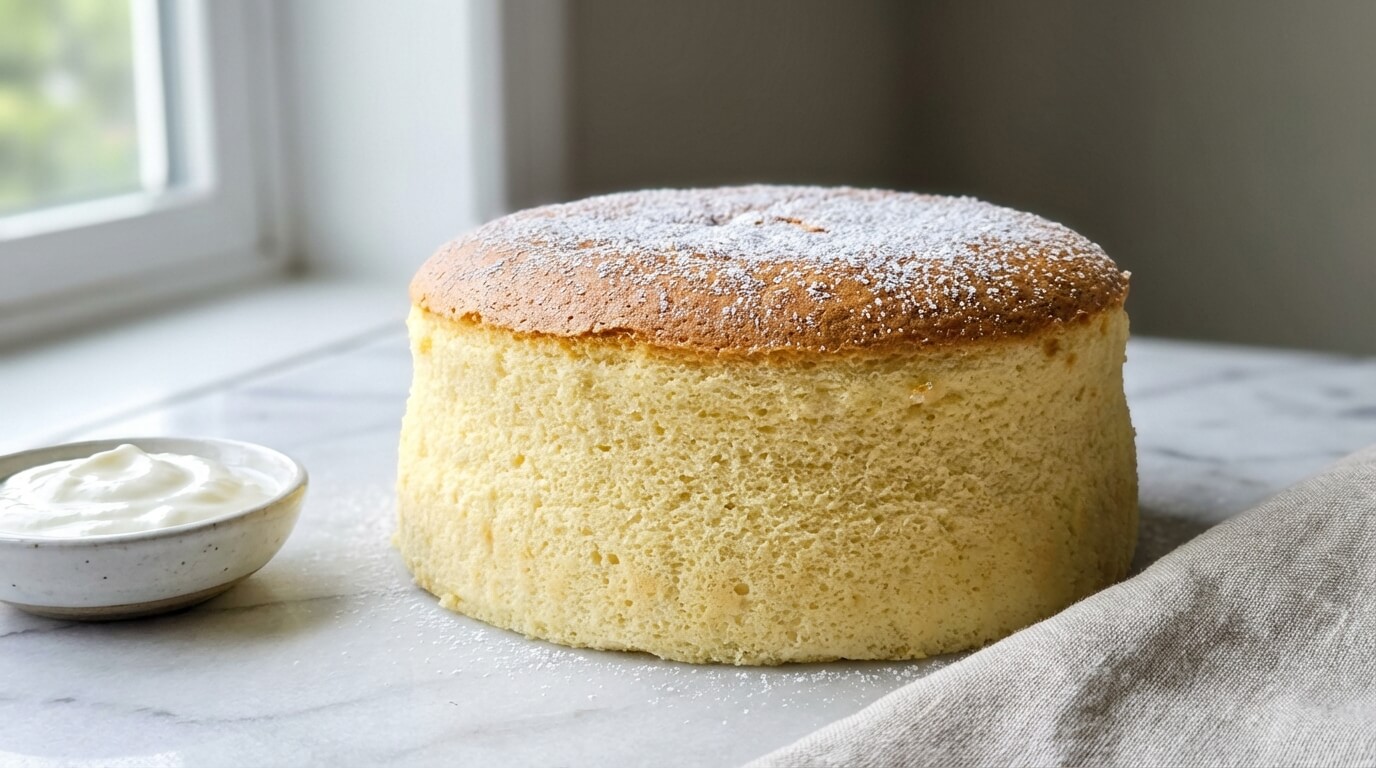
Japanese cheesecake recipe with Greek yogurt is a lighter, fluffier, and more protein-packed twist on the classic Japanese soufflé cheesecake everyone loves. Instead of relying on heavy cream cheese, this version uses Greek yogurt to create a soft, jiggly texture while keeping the cake airy, delicate, and surprisingly simple to make. At the same time, it delivers a clean, mildly tangy flavor that pairs perfectly with the signature melt-in-your-mouth feel of Japanese-style cheesecake. In this guide, you’ll learn how Greek yogurt works as a cream cheese substitute, why this recipe has gone viral online, and how simple ingredient combinations like 2-ingredient or 3-ingredient yogurt cheesecake versions still achieve that iconic fluffy rise. We’ll also cover baking techniques, texture secrets, and smart variations so you can confidently master a Japanese yogurt cheesecake recipe that looks impressive but feels effortless to bake.
Japanese Cheesecake Recipe with Greek Yogurt
- Total Time: 1 hour 5 minutes
- Yield: 6 servings 1x
Description
A light, fluffy, and jiggly Japanese-style cheesecake made with Greek yogurt instead of cream cheese for a protein-rich and healthier dessert.
Ingredients
- 1 cup full-fat Greek yogurt (strained if needed)
- 3 large eggs, separated
- 3 tablespoons sugar (or honey)
- 1 tablespoon cornstarch (optional for stability)
- 1 teaspoon vanilla extract (optional)
Instructions
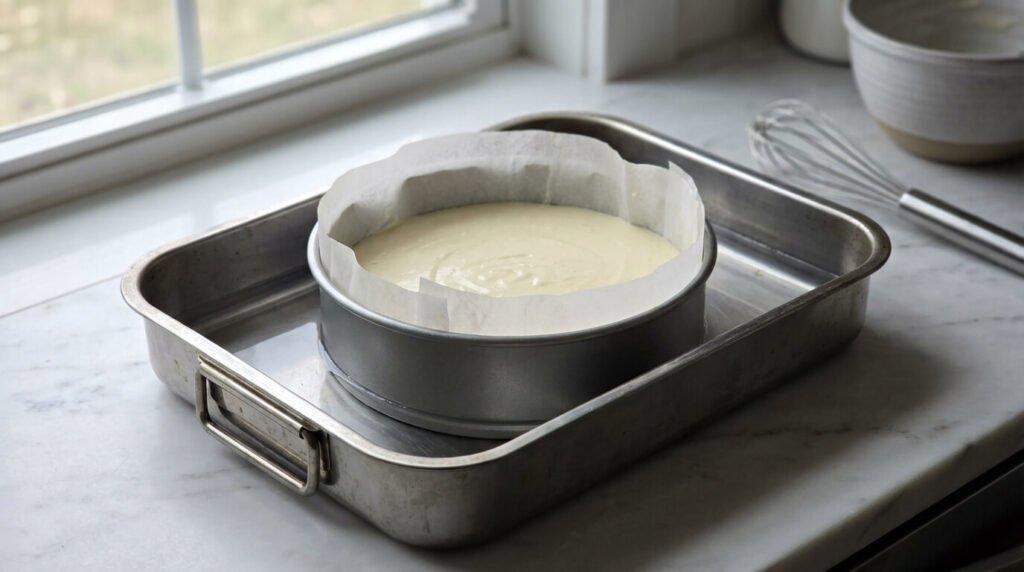
- Preheat the oven to 325°F (160°C). Line a round cake pan with parchment paper, including the sides.
- Separate the egg yolks and whites into two bowls. Make sure no yolk gets into the whites.
- In a bowl, mix Greek yogurt, egg yolks, sugar, and optional vanilla until smooth. Add cornstarch if using.
- Whip egg whites until soft to medium peaks form.
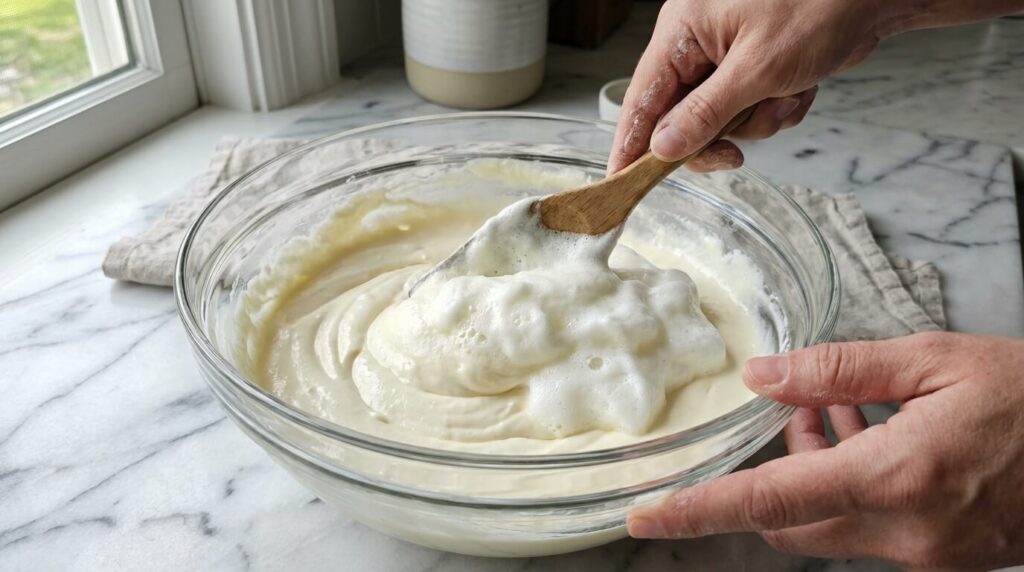
- Gently fold whipped egg whites into the yogurt mixture in three additions, using a spatula to maintain airiness.
- Pour the batter into the lined pan. Tap the pan lightly to release large air bubbles.
- Place the cake pan into a larger pan and add hot water to create a water bath.
- Bake for 40–45 minutes until the top is lightly golden and the center is just set.
- Turn off oven, crack the door, and let cheesecake cool gradually for 15–20 minutes.
- Remove from oven, cool completely, then refrigerate for at least 2 hours before serving.
Notes
Strain yogurt if it seems watery. Avoid overmixing after adding whipped egg whites to maintain fluffy texture. A parchment paper collar helps support rise during baking.
- Prep Time: 20 minutes
- Cook Time: 45 minutes
- Category: Dessert
- Method: Baked
- Cuisine: Japanese
Nutrition
- Serving Size: 1 slice
- Calories: 140
- Sugar: 6g
- Sodium: 55mg
- Fat: 6g
- Saturated Fat: 2g
- Unsaturated Fat: 4g
- Trans Fat: 0g
- Carbohydrates: 10g
- Fiber: 0g
- Protein: 9g
- Cholesterol: 95mg
Keywords: Japanese cheesecake, Greek yogurt cheesecake, fluffy cheesecake, healthy dessert
Understanding Japanese Cheesecake with Greek Yogurt
What Is a Japanese Cheesecake Recipe with Greek Yogurt?
A Japanese cheesecake recipe with Greek yogurt is a lighter take on traditional Japanese soufflé cheesecake that replaces cream cheese with thick, strained Greek yogurt. Instead of being dense or rich, this version focuses on an airy, cloud-like texture that gently jiggles when shaken and melts quickly on the tongue. Because Greek yogurt contains less fat and more protein than cream cheese, the result feels cleaner and less heavy, yet still creamy and satisfying.
Unlike New York–style cheesecake, Japanese cheesecake is closer to a baked soufflé. It rises higher, relies heavily on whipped egg whites, and uses gentle heat to trap air inside the batter. When Greek yogurt is used, the structure stays soft while the crumb becomes even more delicate. As a result, many viral Greek yogurt cheesecake recipes became popular for being both simple and visually impressive.
Another reason this style works so well is balance. Greek yogurt adds a subtle tang that mimics cream cheese without overpowering the cake. At the same time, it blends smoothly into the batter, making it ideal for minimalist recipes like the 2 ingredient cheesecake with Greek yogurt or the 3 ingredient yogurt cheesecake trend seen online.
Why Greek Yogurt Is the Perfect Cream Cheese Alternative
Greek yogurt works so well in a Japanese yogurt cheesecake recipe because of its texture, acidity, and protein content. Since it’s already strained, it has a thick consistency similar to softened cream cheese. When mixed properly, it creates a smooth base that supports the airy structure created by whipped egg whites.
Another advantage is moisture control. Because Greek yogurt contains less fat but more water-binding protein, it helps prevent the cheesecake from becoming greasy or overly dense. At the same time, it keeps the crumb tender during baking. This balance is especially important for achieving the signature fluffy rise associated with Japanese cheesecake with Greek yogurt.
From a nutrition perspective, Greek yogurt also makes sense. It naturally boosts protein while reducing calories, which explains why so many people search for Greek yogurt cheesecake hacks. In addition, it pairs well with flavor add-ins like vanilla, honey, or even Biscoff, making it versatile without complicating the recipe.
Most importantly, Greek yogurt supports simplicity. Whether you’re testing a viral Japanese yogurt cheesecake recipe or experimenting with a basic baked version, it allows you to create a light, jiggly cheesecake without advanced baking skills. Because of that, it’s become the go-to substitute for home bakers looking for a healthier, easier alternative that still delivers classic Japanese cheesecake texture.
Ingredients Breakdown for Japanese Yogurt Cheesecake
Essential Ingredients for Greek Yogurt Cheesecake Japanese Style
A successful Japanese cheesecake recipe with Greek yogurt depends on simplicity and balance rather than a long ingredient list. Because this cake relies on structure from eggs and air, every ingredient plays a clear role. When combined correctly, these basics create a soft, tall, and jiggly cheesecake that still holds its shape after baking.
The foundation starts with Greek yogurt. Full-fat Greek yogurt works best because it’s thicker and more stable, which helps mimic the body of cream cheese. At the same time, its mild tang supports the flavor profile of Japanese cheesecake without overwhelming it. If the yogurt is too thin, the batter won’t hold enough air, so straining it briefly can make a noticeable difference.
Eggs are the real engine of this recipe. The yolks add richness and color, while the whites are whipped separately to create volume. This step is essential, because the whipped egg whites are what give a Japanese yogurt cheesecake recipe its soufflé-like lift. Without them, the cake would bake flat and dense.
A small amount of sweetener, usually sugar or honey, balances the tanginess of the yogurt. In viral Greek yogurt cheesecake recipes, sugar is often minimal, which keeps the texture light and the flavor clean. Cornstarch or flour may be added in small quantities to stabilize the batter, especially in baked versions that need extra structure.
Together, these ingredients form the base for everything from a classic baked cheesecake to a 3 ingredient yogurt cheesecake that’s trending online. The key is not adding more, but understanding how each component supports the final texture.
The Role of Eggs, Yogurt, and Sweeteners in Fluffy Texture
Texture is what defines a great Japanese cheesecake with Greek yogurt, and it’s controlled almost entirely by how the ingredients interact. Greek yogurt provides moisture and creaminess, but eggs determine whether the cake rises or collapses. Because of that, separating and whipping the egg whites correctly is non-negotiable.
When egg whites are beaten to soft or medium peaks, they trap air. During baking, that air expands and lifts the cake. Meanwhile, the yogurt-based batter gently sets around those air pockets, creating the signature fluffy crumb. This is why overmixing the batter after folding in egg whites can quickly ruin the structure.
Sweeteners also influence texture more than most people realize. Sugar stabilizes whipped egg whites, making them less likely to deflate. That’s one reason even low-sugar or 2 ingredient cheesecake Greek yogurt versions still include some form of sweetness. Without it, the cake may rise unevenly or sink as it cools.
When these elements are balanced, the result is a cheesecake that’s light but not dry, airy but not fragile. This balance explains why the viral Japanese yogurt cheesecake recipe works so consistently across different kitchens. Each ingredient supports the others, allowing the cake to rise beautifully and maintain that soft, jiggly finish that makes Japanese cheesecake so unique.
Greek Yogurt vs Cream Cheese in Cheesecake
How to Use Greek Yogurt Instead of Cream Cheese
Using Greek yogurt instead of cream cheese in a Japanese cheesecake recipe with Greek yogurt is easier than most people expect, but technique matters. The most important step is choosing the right type of yogurt. Always use thick, plain Greek yogurt with no added sugar. If it looks slightly loose, straining it for 10–15 minutes helps remove excess moisture and improves structure.
When substituting, Greek yogurt typically replaces cream cheese at a 1:1 ratio by weight. However, because yogurt contains less fat, the batter should be handled gently to avoid overmixing. Blending it until smooth is enough. Overworking the mixture can weaken the final crumb and prevent the cheesecake from rising properly.
In Japanese yogurt cheesecake recipes, Greek yogurt works best when combined with whipped egg whites rather than mixed aggressively. This keeps the batter light and helps preserve the air needed for the soufflé-style lift. For baked versions, a water bath is often used to protect the yogurt from curdling and to ensure even cooking.
This substitution is why so many Greek yogurt cheesecake hacks have gone viral. It allows home bakers to achieve the look and feel of traditional Japanese cheesecake while using a more accessible and lighter ingredient.
Taste, Texture, and Nutrition Comparison
The biggest difference between cream cheese and Greek yogurt in cheesecake comes down to texture and mouthfeel. Cream cheese creates a rich, dense bite, while Greek yogurt produces a softer, more delicate crumb. In a Japanese cheesecake with Greek yogurt, that lighter texture is actually an advantage, because the goal is fluffiness rather than richness.
Flavor-wise, Greek yogurt offers a subtle tang that closely mimics cream cheese but feels cleaner on the palate. This makes it ideal for minimalist recipes like the 2 ingredient cheesecake Greek yogurt trend, where each ingredient needs to pull its weight. It also pairs well with toppings, fruit, or spreads like Biscoff without overpowering them.
From a nutrition standpoint, Greek yogurt clearly stands out. It contains more protein and less fat than cream cheese, which explains the popularity of viral Greek yogurt cheesecake recipes among health-conscious bakers. At the same time, it keeps calories lower without sacrificing the visual appeal or signature jiggle.
Because of these advantages, Greek yogurt isn’t just a substitute. In many Japanese-style cheesecakes, it’s actually the better choice, delivering the airy structure, mild flavor, and light finish that define this dessert.
2-Ingredient and 3-Ingredient Yogurt Cheesecake Variations
2 Ingredient Cheesecake with Greek Yogurt Explained
The 2 ingredient cheesecake with Greek yogurt is one of the main reasons this dessert went viral. This minimalist version usually combines Greek yogurt and eggs, relying entirely on technique rather than additives to create structure. Because there’s no cream cheese, flour, or heavy fat, the result is extremely light and closer to a baked soufflé than a traditional cheesecake.
In this version, Greek yogurt provides moisture and gentle tang, while eggs do all the lifting. The egg whites are separated and whipped until airy, then folded carefully into the yogurt-based batter. This folding step is crucial, because it preserves the trapped air that allows the cheesecake to rise in the oven.
Although the ingredient list is short, the baking method still matters. A water bath helps regulate heat and prevents cracking, while slow cooling keeps the cake from collapsing too quickly. When done correctly, the cake comes out tall, soft, and jiggly, proving that fewer ingredients don’t mean less impact.
This approach is perfect for beginners or anyone testing a viral Greek yogurt cheesecake for the first time. It shows how powerful Greek yogurt can be when paired with the right technique.
3 Ingredient Yogurt Cheesecake: Minimalist Japanese Style
The 3 ingredient yogurt cheesecake builds on the 2-ingredient version by adding a stabilizer, usually sugar, honey, or cornstarch. This small addition makes a big difference in consistency, especially for bakers who want more reliable results.
Sugar helps stabilize whipped egg whites, making the cake less likely to deflate during baking or cooling. Cornstarch, on the other hand, adds just enough structure to hold the cheesecake together while keeping the crumb soft. Both options maintain the airy quality that defines a Japanese cheesecake recipe with Greek yogurt.
This version is often recommended in viral Japanese yogurt cheesecake recipes because it balances simplicity with stability. The cake still rises high and jiggles beautifully, but it slices more cleanly and holds its shape longer.
For home bakers looking for an easy win, the 3 ingredient yogurt cheesecake is often the sweet spot. It preserves the elegance of Japanese cheesecake while offering a little more forgiveness, especially if you’re new to soufflé-style baking.
Step-by-Step Japanese Yogurt Cheesecake Recipe
Preparation Tips for a Viral Greek Yogurt Cheesecake
Before baking a Japanese cheesecake recipe with Greek yogurt, preparation is just as important as the ingredients themselves. Because this cheesecake relies on air rather than fat for structure, small details can make or break the final result. Starting with room-temperature ingredients helps everything blend smoothly and prevents overmixing later.
First, prepare your pan properly. Line the bottom and sides with parchment paper, making the paper slightly taller than the pan. This allows the cheesecake to climb upward as it bakes without sticking. Since Japanese cheesecake rises more than standard cheesecake, this step helps maintain its tall, soufflé-like shape.
Next, separate the eggs cleanly. Even a small amount of yolk in the whites can prevent them from whipping correctly. Whip the egg whites slowly at first, then gradually increase speed until soft or medium peaks form. This stage is critical for a fluffy Japanese yogurt cheesecake recipe, because stiff peaks can cause cracking, while under-whipped whites won’t provide enough lift.
When mixing Greek yogurt with egg yolks and sweetener, keep the motion gentle. The goal is a smooth, lump-free batter without incorporating excess air. Once combined, fold the whipped egg whites in batches using a light hand. This step preserves the air bubbles that give the cheesecake its signature jiggle.
Baking Method for Light and Jiggly Results
The baking process defines the texture of a Japanese cheesecake with Greek yogurt. Unlike dense cheesecakes, this one needs low, even heat to rise gradually and set without drying out. A water bath is strongly recommended, as it protects the delicate batter from sudden temperature changes.
Place the cheesecake pan inside a larger pan filled with hot water, reaching about halfway up the sides. This creates steam in the oven, helping the cake bake evenly while staying moist. Bake at a lower temperature than standard cheesecake, allowing the structure to set slowly while maintaining lift.
As the cake bakes, it will rise noticeably and develop a pale golden top. Avoid opening the oven door during baking, because sudden temperature drops can cause the cheesecake to sink. Once baked, turn off the oven and leave the door slightly open, letting the cheesecake cool gradually.
This slow cooling process is one of the most important steps in any viral Japanese yogurt cheesecake recipe. It reduces shrinkage and helps the cake hold its height. When fully cooled, the cheesecake should feel light, airy, and softly set, with a gentle jiggle that defines authentic Japanese-style cheesecake.
Step-by-Step Japanese Yogurt Cheesecake Recipe
Preparation Tips for a Viral Greek Yogurt Cheesecake
Before baking a Japanese cheesecake recipe with Greek yogurt, preparation is just as important as the ingredients themselves. Because this cheesecake relies on air rather than fat for structure, small details can make or break the final result. Starting with room-temperature ingredients helps everything blend smoothly and prevents overmixing later.
First, prepare your pan properly. Line the bottom and sides with parchment paper, making the paper slightly taller than the pan. This allows the cheesecake to climb upward as it bakes without sticking. Since Japanese cheesecake rises more than standard cheesecake, this step helps maintain its tall, soufflé-like shape.
Next, separate the eggs cleanly. Even a small amount of yolk in the whites can prevent them from whipping correctly. Whip the egg whites slowly at first, then gradually increase speed until soft or medium peaks form. This stage is critical for a fluffy Japanese yogurt cheesecake recipe, because stiff peaks can cause cracking, while under-whipped whites won’t provide enough lift.
When mixing Greek yogurt with egg yolks and sweetener, keep the motion gentle. The goal is a smooth, lump-free batter without incorporating excess air. Once combined, fold the whipped egg whites in batches using a light hand. This step preserves the air bubbles that give the cheesecake its signature jiggle.
Baking Method for Light and Jiggly Results
The baking process defines the texture of a Japanese cheesecake with Greek yogurt. Unlike dense cheesecakes, this one needs low, even heat to rise gradually and set without drying out. A water bath is strongly recommended, as it protects the delicate batter from sudden temperature changes.
Place the cheesecake pan inside a larger pan filled with hot water, reaching about halfway up the sides. This creates steam in the oven, helping the cake bake evenly while staying moist. Bake at a lower temperature than standard cheesecake, allowing the structure to set slowly while maintaining lift.
As the cake bakes, it will rise noticeably and develop a pale golden top. Avoid opening the oven door during baking, because sudden temperature drops can cause the cheesecake to sink. Once baked, turn off the oven and leave the door slightly open, letting the cheesecake cool gradually.
This slow cooling process is one of the most important steps in any viral Japanese yogurt cheesecake recipe. It reduces shrinkage and helps the cake hold its height. When fully cooled, the cheesecake should feel light, airy, and softly set, with a gentle jiggle that defines authentic Japanese-style cheesecake.
Viral Greek Yogurt Cheesecake Hacks
TikTok Viral Japanese Yogurt Cheesecake Recipe
The rise of the viral Japanese yogurt cheesecake recipe is largely thanks to social media platforms like TikTok and Instagram. These short videos highlight just how dramatic and satisfying this cheesecake can be, especially when it jiggles perfectly after baking. What makes these recipes go viral isn’t complexity, but simplicity paired with visual appeal.
Most viral versions focus on minimal ingredients, often promoting a 2 ingredient cheesecake Greek yogurt or a simplified 3 ingredient yogurt cheesecake. The key trick shown repeatedly is proper egg white whipping and gentle folding. Many creators also emphasize straining Greek yogurt beforehand to ensure a thick, cream-cheese-like consistency.
Another popular hack is using a parchment paper collar that extends well above the pan. This allows the cheesecake to rise taller without spilling over, creating that dramatic height seen in viral clips. Some recipes also suggest tapping the pan lightly before baking to remove large air bubbles while keeping the finer structure intact.
These small adjustments help ensure the cheesecake rises evenly and maintains its soft, cloud-like appearance, which is exactly what makes it so shareable online.
Common Mistakes to Avoid for Perfect Rise
Despite its simple ingredient list, a Japanese cheesecake with Greek yogurt can fail if a few key mistakes are made. One of the most common issues is overmixing the batter after adding egg whites. This deflates the air and leads to a dense or flat cheesecake.
Another frequent problem is baking at too high a temperature. While it may seem faster, high heat causes rapid expansion followed by collapse. This results in cracking, sinking, or a rubbery texture. Low and slow baking is essential for maintaining the delicate structure.
Skipping the water bath is another mistake often seen in failed attempts. Without moisture in the oven, the cheesecake dries out too quickly, preventing a smooth rise. This is especially important when making a baked Greek yogurt cheesecake without cream cheese, since yogurt is more sensitive to heat.
Finally, rushing the cooling process can undo all the work done during baking. Removing the cheesecake immediately from the oven causes sudden shrinkage. Allowing it to cool gradually helps lock in that airy texture that defines a successful Japanese yogurt cheesecake recipe.
Flavor Variations and Creative Twists
Biscoff Greek Yogurt Cheesecake Version
Once you’ve mastered the base Japanese cheesecake recipe with Greek yogurt, adding flavor variations becomes easy without compromising texture. One of the most popular upgrades is the Biscoff Greek yogurt cheesecake, which blends the lightness of Japanese cheesecake with the rich, caramelized flavor of Biscoff spread.
To keep the cheesecake fluffy, Biscoff should be used sparingly. It’s best folded into the yogurt–yolk mixture rather than the egg whites. This ensures the fat content doesn’t interfere with the whipped whites’ ability to hold air. Swirling a small amount on top before baking also creates visual appeal without weighing the batter down.
This variation works especially well because Greek yogurt balances the sweetness of Biscoff. The tangy base prevents the cheesecake from tasting heavy, while the soufflé-style structure keeps the crumb light. As a result, you still get that signature jiggle associated with a Japanese yogurt cheesecake recipe, even with added flavor.
For serving, a thin drizzle of warm Biscoff or a light dusting of powdered sugar is enough. Overloading toppings can mask the delicate texture that makes this style so unique.
Low-Calorie and High-Protein Greek Yogurt Cheesecake Options
Another major reason this dessert continues to trend is its adaptability to healthier lifestyles. A Japanese cheesecake with Greek yogurt is already lighter than traditional cheesecake, but it can be adjusted even further for low-calorie or high-protein goals.
Using nonfat or low-fat Greek yogurt reduces calories while still maintaining structure, especially in a 3 ingredient yogurt cheesecake where eggs provide most of the stability. Sweeteners like monk fruit or erythritol can replace sugar, though a small amount of real sugar may still be needed to stabilize the egg whites.
For a high-protein version, some bakers add a small scoop of unflavored protein powder to the yogurt mixture. This should be done carefully and in minimal amounts, as too much can make the texture dry. When balanced correctly, it enhances protein content without sacrificing the airy crumb.
These adjustments make the cheesecake appealing to a wider audience while preserving the core identity of a Japanese yogurt cheesecake recipe. No matter the variation, the goal remains the same: a light, fluffy dessert that feels indulgent without being heavy.
Serving, Storage, and Nutrition
How to Serve Japanese Cheesecake with Greek Yogurt
Serving a Japanese cheesecake recipe with Greek yogurt is all about highlighting its light texture and delicate flavor. Unlike dense cheesecakes, this version doesn’t need heavy toppings or sauces. In fact, keeping it simple allows the fluffy structure and subtle tang of Greek yogurt to shine.
For best results, serve the cheesecake slightly chilled or at cool room temperature. Chilling helps the cake set fully while still maintaining its soft, jiggly center. A light dusting of powdered sugar is often enough to finish it beautifully. Fresh berries, a small spoon of fruit compote, or a thin drizzle of honey also pair well without overwhelming the cake.
If you’re serving guests, slicing with a warm, clean knife helps maintain neat edges. Because a Japanese cheesecake with Greek yogurt is airy and tender, gentle handling keeps the slices intact and visually appealing.
This cheesecake also works well as a standalone dessert or as part of a lighter meal. Its balanced sweetness and fluffy crumb make it satisfying without feeling heavy.
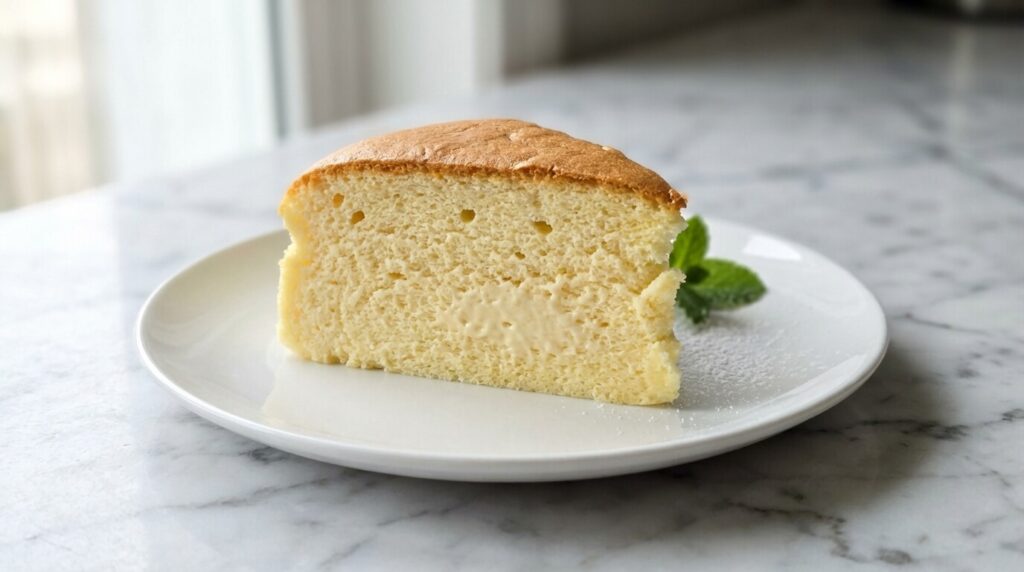
Storage Tips, Calories, and Macros
Proper storage is essential for maintaining the texture of a Japanese yogurt cheesecake recipe. Once fully cooled, store the cheesecake in an airtight container in the refrigerator. It stays fresh for up to three days without losing its softness. Over time, the jiggle may lessen slightly, but the flavor remains clean and pleasant.
Freezing is not recommended for this style of cheesecake. Because it relies on air for structure, freezing and thawing can cause significant texture loss and moisture separation. For best results, enjoy it fresh or within a short refrigeration window.
From a nutrition standpoint, using Greek yogurt instead of cream cheese significantly changes the profile. A Greek yogurt–based cheesecake is lower in fat and higher in protein, especially in versions like the 2 ingredient cheesecake Greek yogurt or 3 ingredient yogurt cheesecake. Calories vary depending on yogurt type and sweetener, but it’s generally lighter than traditional cheesecake.
This balance of texture, flavor, and nutrition is exactly why the viral Greek yogurt cheesecake continues to gain popularity. It offers indulgence without excess, making it a dessert you can enjoy more often without guilt.
FAQs: Japanese Cheesecake Recipe with Greek Yogurt
How to use Greek yogurt instead of cream cheese?
Greek yogurt can replace cream cheese by using thick, plain Greek yogurt at a 1:1 ratio by weight. For best results, strain the yogurt briefly to remove excess moisture. In a Japanese cheesecake recipe with Greek yogurt, the yogurt should be mixed gently with egg yolks and folded with whipped egg whites to maintain an airy structure. This method mimics the creaminess of cream cheese while keeping the cake light and fluffy.
Can I use Greek yogurt to make cake?
Yes, Greek yogurt works very well in cakes, especially in Japanese-style cheesecakes. It adds moisture, mild tang, and protein while keeping the crumb soft. In a Japanese yogurt cheesecake recipe, Greek yogurt helps create a delicate, soufflé-like texture rather than a dense crumb, making it ideal for light baked desserts.
What are the three ingredients in Japanese cheesecake?
The most common 3 ingredient yogurt cheesecake includes Greek yogurt, eggs, and sugar (or a similar sweetener). Eggs provide structure and lift, Greek yogurt replaces cream cheese, and sugar stabilizes the whipped egg whites. This simple combination is often used in viral Japanese yogurt cheesecake recipes.
What makes Japanese cheesecake fluffy?
Japanese cheesecake gets its fluffiness from whipped egg whites, gentle folding, low-temperature baking, and a water bath. In a Japanese cheesecake with Greek yogurt, the yogurt provides moisture while the egg whites trap air, creating a soft, airy texture that rises beautifully and jiggles when baked correctly.
Conclusion: Why Japanese Cheesecake with Greek Yogurt Is Worth Trying
A Japanese cheesecake recipe with Greek yogurt offers the perfect balance of simplicity, texture, and flavor. By replacing cream cheese with Greek yogurt, this cheesecake becomes lighter, higher in protein, and easier to digest, while still delivering the iconic fluffy, jiggly structure that makes Japanese cheesecake so special.
Whether you’re drawn to a 2 ingredient cheesecake Greek yogurt version, a 3 ingredient yogurt cheesecake, or a creative twist like Biscoff, this recipe adapts easily without losing its identity. The combination of whipped egg whites, gentle baking, and careful cooling creates a dessert that looks impressive yet feels approachable for home bakers.
If you’re looking for a cheesecake that’s airy instead of heavy, visually stunning yet simple, and indulgent without excess, this Japanese yogurt cheesecake recipe is absolutely worth adding to your baking rotation