
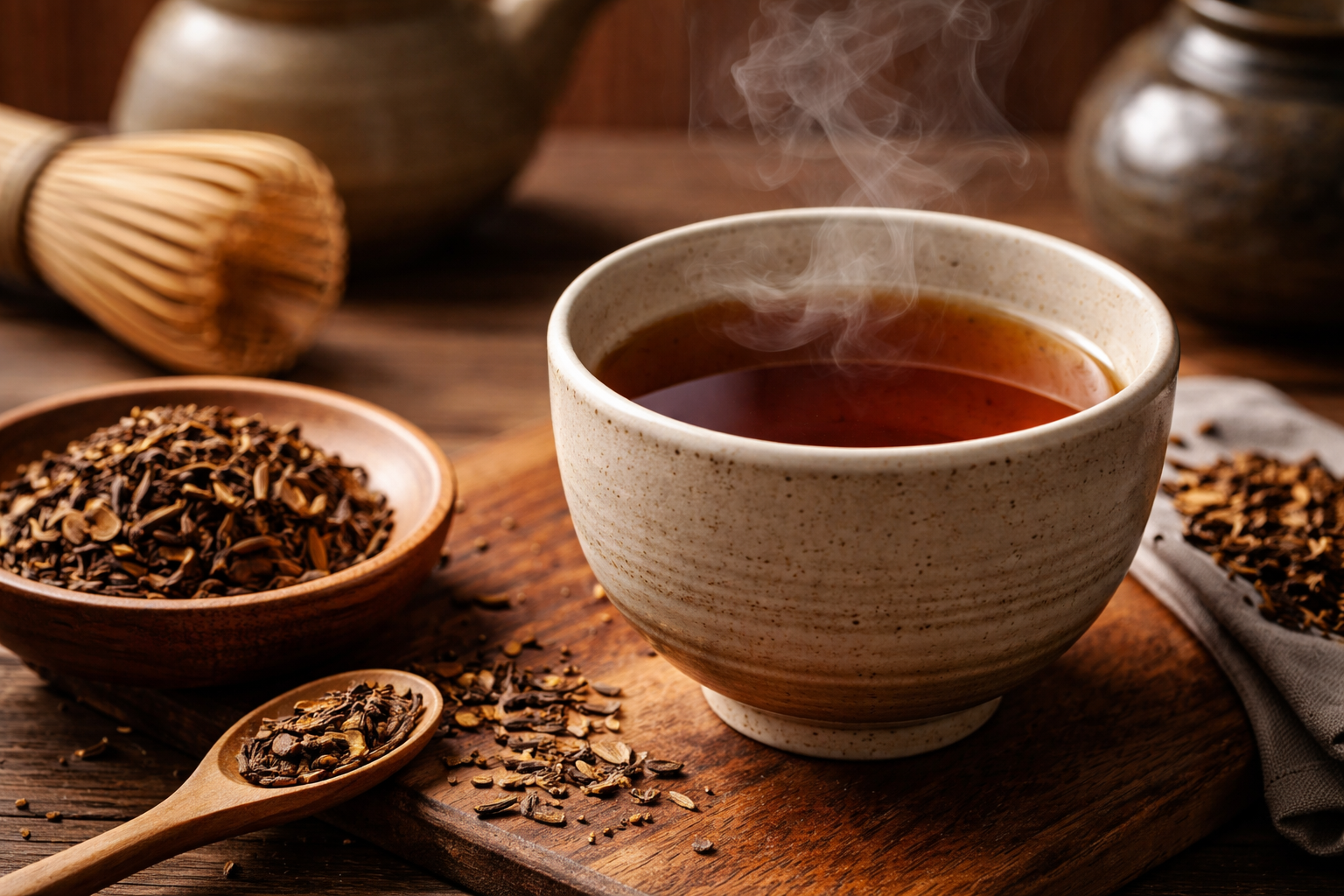
Matcha has dominated cafés, wellness blogs, and social media for years. Its vibrant green color, earthy flavor, and antioxidant reputation made it one of the most popular tea trends worldwide. However, a new Japanese tea is quietly rising in popularity and many tea lovers are starting to call it hōjicha the new matcha.
If you’re into comforting tea drinks, you can also try this soothing option: honey lemon ginger tea.
Unlike matcha’s grassy intensity, hōjicha offers something completely different. This roasted Japanese green tea has a warm, nutty aroma, a smooth flavor, and naturally lower caffeine. Because of that, it’s becoming a favorite choice for people who want a comforting tea they can enjoy throughout the day.
As the interest in specialty tea grows, more people are comparing hojicha vs matcha, exploring the differences in flavor, caffeine levels, and health benefits. At the same time, café menus are expanding with drinks like the hōjicha latte and even the trendy hōjicha matcha latte, proving that this roasted tea is more than just a passing trend.
In this guide, we’ll explore why many tea enthusiasts now consider hōjicha the new matcha, including:
- What hōjicha actually is
- The key differences between hojicha vs matcha vs genmaicha
- Whether hōjicha is roasted matcha or something entirely different
- The surprising hōjicha health benefits
- Why the hōjicha latte is becoming a global café favorite
By the end of this guide, you’ll understand why hōjicha is quickly becoming one of the most exciting tea trends in the world—and whether it might become your new favorite drink.
What Is Hōjicha? Understanding Why Hōjicha Is Called the New Matcha
The origin of hōjicha in Japanese tea culture
To understand why many people call hōjicha the new matcha, it’s helpful to explore where this roasted tea comes from. Hōjicha is a traditional Japanese green tea that became popular in Kyoto in the 1920s. At the time, tea merchants began roasting leftover green tea leaves and stems over charcoal to reduce waste. Surprisingly, this simple roasting process created a tea with a completely different flavor profile.
Unlike most Japanese green teas, which remain bright green and grassy, hōjicha turns a warm reddish-brown color after roasting. The heat transforms the leaves, producing a comforting aroma that many people describe as nutty, toasted, and slightly caramel-like.
Because of its smooth flavor and gentle character, hōjicha quickly became a household favorite across Japan. Today, it’s commonly served after meals or in the evening because it is naturally low in caffeine compared with many other teas.
Hōjicha is usually made from several types of Japanese tea leaves, including:
| Tea Type | Description |
|---|---|
| Bancha | Mature tea leaves commonly used for roasting |
| Sencha | Classic Japanese green tea sometimes used for hōjicha |
| Kukicha | Tea stems and twigs that develop a sweet roasted flavor |
The roasting process also reduces bitterness, which is why hōjicha is often considered one of the most approachable Japanese teas for beginners.
Interestingly, the warm roasted notes of hōjicha pair beautifully with light desserts. For example, many tea lovers enjoy it alongside delicate sweets like this fluffy Japanese yogurt cheesecake, because the toasted flavor balances the cake’s mild sweetness.
How hōjicha differs from traditional green tea and matcha
Although hōjicha begins as green tea, its roasting process changes both its appearance and its taste dramatically. That’s why many tea drinkers often compare hojicha vs matcha when deciding which tea to choose.
The differences become clear when you look at how each tea is produced.
| Feature | Hōjicha | Matcha |
|---|---|---|
| Processing | Roasted tea leaves | Stone-ground powder |
| Flavor | Nutty, roasted, slightly smoky | Vegetal, grassy, umami |
| Color | Reddish brown | Bright green |
| Caffeine | Low | Higher |
| Preparation | Steeped like tea | Whisked powder |
Another key difference involves how the tea is consumed. With matcha, the entire leaf is ground into powder and mixed into water or milk. Because of this, you drink the whole leaf and receive a stronger dose of caffeine and antioxidants.
Hōjicha, on the other hand, is brewed like traditional tea. The leaves are steeped in hot water and then removed, creating a lighter and smoother drink.
For many people, this makes hōjicha easier to enjoy throughout the day. While matcha is often chosen for energy and focus, hōjicha is appreciated for its calming and comforting qualities.
As tea culture continues to evolve, many cafés are also experimenting with roasted tea beverages. Drinks like the hōjicha latte are now appearing on specialty coffee menus, offering a creamy alternative to the famous matcha latte.
If you enjoy exploring warm tea drinks from different traditions, you might also like this comforting chai tea latte recipe, which combines aromatic spices with creamy milk for another cozy beverage experience.
In the next section, we’ll dive deeper into hojicha vs matcha, comparing flavor, caffeine, and nutritional benefits to help you decide which tea fits your lifestyle best.
Hōjicha vs Matcha: Key Differences Between the Two Popular Japanese Teas
Flavor, aroma, and roasting process: hōjicha vs matcha
When people first hear the phrase hōjicha the new matcha, they usually assume the two teas must taste similar. However, the truth is quite the opposite. Although both teas come from the same plant (Camellia sinensis), their flavor profiles are dramatically different because of how they are processed.
Matcha is made from specially grown tea leaves that are shaded before harvest. After harvesting, the leaves are steamed, dried, and finely ground into a vibrant green powder. This process preserves chlorophyll and produces the bold, grassy flavor matcha is known for.
Hōjicha follows a completely different path. Instead of staying green, the leaves are roasted at high temperatures. This roasting step transforms the chemical structure of the tea and removes much of its bitterness.
As a result, hōjicha develops a warm flavor that many people describe as:
- Toasted
- Nutty
- Slightly caramel-like
- Mildly smoky
These roasted notes are the main reason why hōjicha is often easier for beginners to enjoy. While matcha can sometimes taste strong or grassy, hōjicha is smooth and mellow.
The difference becomes clearer in this comparison table.
| Feature | Hōjicha | Matcha |
|---|---|---|
| Flavor | Nutty and roasted | Vegetal and umami |
| Aroma | Toasted and warm | Fresh and grassy |
| Color | Brownish-red | Bright green |
| Preparation | Steeped leaves | Whisked powder |
| Popular drinks | Hōjicha latte | Matcha latte |
Because of its comforting roasted profile, hōjicha also pairs beautifully with light desserts and breakfast dishes. For example, many people enjoy it with a nutritious morning bowl like this healthy breakfast bowl, since the toasted flavor balances fruit and yogurt perfectly.
Hōjicha caffeine vs matcha: energy, calmness, and daily use
Another important comparison when discussing hojicha vs matcha is caffeine content. Many people are switching to hōjicha simply because it provides a gentler energy boost.
Matcha contains relatively high caffeine because the entire leaf is consumed in powdered form. In fact, one serving of matcha can contain 60–70 mg of caffeine, depending on quality and preparation.
Hōjicha, on the other hand, is naturally low in caffeine for two main reasons:
- It’s often made from mature leaves or stems.
- The roasting process reduces caffeine levels.
Here’s a simplified comparison.
| Tea | Average Caffeine |
|---|---|
| Matcha | 60–70 mg per cup |
| Hōjicha | 15–30 mg per cup |
Because of this difference, many people choose hōjicha when they want:
- A relaxing evening drink
- A tea that won’t disturb sleep
- A gentler alternative to coffee or matcha
This lower caffeine level is also why hōjicha is often served to children in Japan.
At the same time, matcha still remains the better choice if you want stronger mental focus or a longer-lasting energy boost.
For people who enjoy smoothies and energizing beverages during the day, drinks like these refreshing smoothie recipes for weight loss can complement matcha or hōjicha depending on your caffeine preference.
Ultimately, the decision between matcha and hōjicha comes down to taste preference and lifestyle needs. Some people love matcha’s bold flavor and energy, while others prefer the gentle roasted comfort of hōjicha.
In the next section, we’ll go even deeper and compare hōjicha vs matcha vs genmaicha, another famous Japanese tea that combines green tea with roasted rice.
Hōjicha vs Matcha vs Genmaicha: Which Japanese Tea Should You Choose?
Flavor profiles and brewing styles of hōjicha, matcha, and genmaicha
As Japanese teas gain popularity around the world, many people begin comparing hōjicha vs matcha vs genmaicha to understand which one suits their taste and lifestyle. Although these teas all originate from the same plant, their processing methods create completely different experiences.
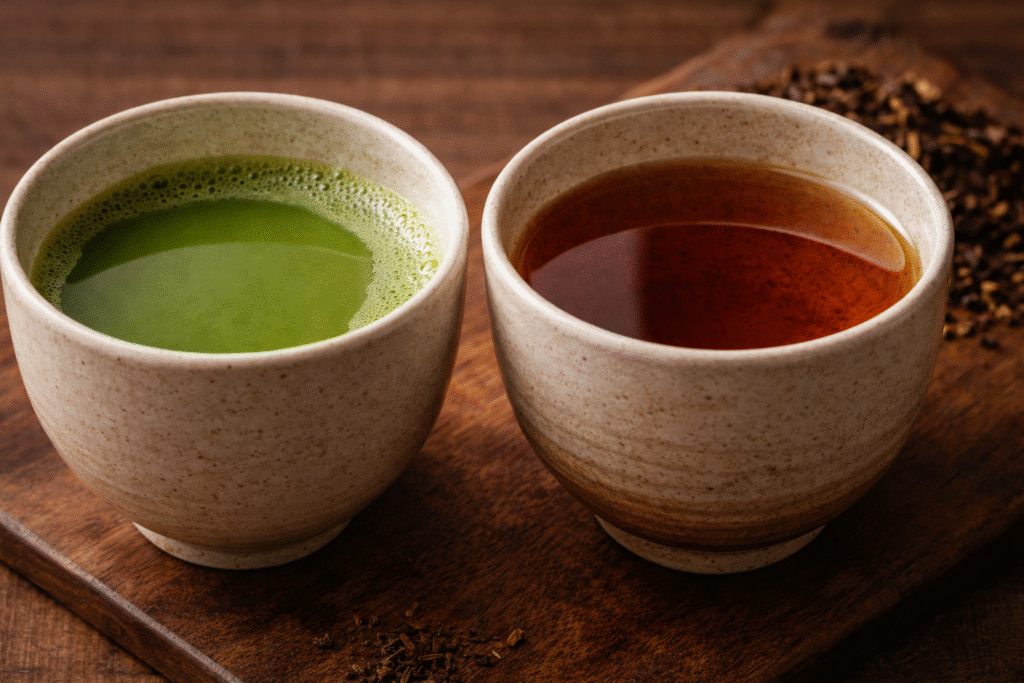
First, let’s start with matcha, the most well-known of the three. Matcha is produced by grinding specially grown green tea leaves into a fine powder. Instead of steeping the leaves, the powder is whisked directly into water or milk. This method produces a strong, concentrated tea with a bold umami flavor.
Next comes genmaicha, often called “popcorn tea.” It blends green tea leaves with roasted brown rice. The rice adds a toasted, nutty character that softens the grassy taste of green tea.
Finally, hōjicha stands apart because of its roasting process. While genmaicha includes roasted rice, hōjicha roasts the tea leaves themselves. This produces the signature warm aroma that many people now associate with hōjicha the new matcha trend.
Here’s a simple comparison:
| Tea | Flavor Profile | Preparation | Typical Color |
|---|---|---|---|
| Matcha | Grassy, umami, slightly bitter | Whisked powder | Bright green |
| Genmaicha | Nutty, toasted rice, mild green tea | Steeped leaves | Light yellow-green |
| Hōjicha | Roasted, caramel-like, smooth | Steeped leaves or powdered | Reddish-brown |
Because of these differences, each tea fits different moments of the day. Matcha is often enjoyed for focus and energy, genmaicha is popular with meals, and hōjicha is loved for its relaxing, comforting flavor.
Interestingly, the toasted aroma of hōjicha also works beautifully with light desserts and delicate sweets. For example, refreshing desserts like this delicate kanten jelly recipe pair well with roasted tea flavors because the jelly’s subtle sweetness doesn’t overpower the tea.
Nutritional comparison and caffeine levels
Beyond taste, another reason people compare hōjicha vs matcha vs genmaicha is their caffeine and nutritional content.
Matcha is often promoted as a superfood because you consume the entire tea leaf in powdered form. This means it delivers a higher concentration of antioxidants, particularly catechins.
However, that also means matcha contains the most caffeine among the three.
Genmaicha and hōjicha both contain less caffeine because the tea leaves are steeped rather than consumed directly. Additionally, the roasting process in hōjicha reduces caffeine even further.
Here’s a helpful comparison:
| Tea | Caffeine Level | Antioxidants | Best Time to Drink |
|---|---|---|---|
| Matcha | High | Very high | Morning or early afternoon |
| Genmaicha | Moderate | Moderate | Meals or afternoon |
| Hōjicha | Low | Moderate | Evening or relaxation |
Because of its low caffeine, hōjicha has become extremely popular among people looking for a calming tea alternative to coffee or matcha.
At the same time, matcha still leads when it comes to concentrated antioxidants and long-lasting energy.
This balance is one reason why many tea drinkers keep multiple Japanese teas at home, choosing each one depending on the moment.
In the next section, we’ll address one of the most common questions people ask online: Is hōjicha roasted matcha, or is it something completely different?
Is Hōjicha Roasted Matcha? Clearing Up the Most Common Tea Confusion
Why hōjicha is not roasted matcha
One of the most common questions people ask when discovering hōjicha the new matcha trend is simple: Is hōjicha roasted matcha?
The short answer is no. While both teas come from the same plant, their production methods are completely different.
Matcha is made from shade-grown tea leaves called tencha. These leaves are carefully steamed, dried, and then ground into a very fine powder using traditional stone mills. Because the entire leaf is consumed, matcha has a concentrated flavor, vibrant color, and higher caffeine content.
Hōjicha, on the other hand, starts as regular green tea leaves such as bancha, sencha, or kukicha. Instead of being ground into powder immediately, the leaves are roasted at high temperatures. This roasting process transforms the leaves, giving them their characteristic brown color and warm aroma.
Here is a clear comparison to understand the difference.
| Characteristic | Matcha | Hōjicha |
|---|---|---|
| Leaf type | Tencha | Bancha, sencha, or kukicha |
| Processing | Steamed and stone-ground | Roasted over high heat |
| Color | Bright green | Brown to reddish |
| Flavor | Vegetal and umami | Toasted and nutty |
| Caffeine | Higher | Lower |
Because of this, hōjicha should never be considered roasted matcha. Instead, it is its own category of Japanese roasted green tea.
However, there is a modern twist that sometimes causes confusion: hōjicha powder. Similar to matcha powder, roasted hōjicha leaves can also be ground into a fine powder. This powder is then used in drinks and desserts, especially in cafés experimenting with new tea flavors.
The roasting process that gives hōjicha its signature flavor
The roasting step is what truly defines hōjicha and explains why so many people now call it the new matcha alternative.
During roasting, the tea leaves are heated to high temperatures, usually around 200°C (392°F). This heat triggers chemical reactions that break down the grassy compounds found in green tea.
As a result, the tea develops:
- Toasted aromas
- Nutty flavors
- Slight caramel notes
- Reduced bitterness
Another important effect of roasting is that it lowers caffeine levels, making hōjicha a popular evening tea.
Because of this comforting roasted profile, hōjicha has become incredibly versatile in modern recipes. It’s now commonly used in:
- Lattes
- Ice cream
- Cakes
- Pancakes
- Smoothies
Many cafés now serve hōjicha lattes alongside matcha drinks, and some creative recipes even combine the two flavors.
If you enjoy exploring functional and wellness drinks, you might also like this calming herbal option: ashwagandha tea benefits recipe. Like hōjicha, it’s often chosen for relaxation and balance.
The growing popularity of roasted tea drinks is one of the main reasons hōjicha is gaining global attention.
Next, we’ll explore something many people care about most: the health benefits of hōjicha vs matcha, including antioxidants, digestion support, and relaxation effects.
Hōjicha vs Matcha Health Benefits
Hōjicha vs matcha health benefits for digestion, stress, and sleep
As more people explore hōjicha the new matcha trend, health benefits often become a key part of the discussion. Both teas come from the same plant, yet their processing methods create different nutritional profiles and wellness effects.
Matcha is widely recognized for its high concentration of antioxidants because you consume the entire powdered tea leaf. This means it delivers powerful compounds such as catechins, which are linked to cellular protection and metabolic health.
However, the roasting process used to make hōjicha creates a tea that is gentler on the stomach and lower in caffeine, which makes it appealing for people looking for a relaxing daily beverage.
Here’s how the two teas compare in terms of wellness benefits.
| Benefit | Hōjicha | Matcha |
|---|---|---|
| Caffeine level | Low | High |
| Antioxidants | Moderate | Very high |
| Digestion support | Gentle and soothing | Neutral |
| Stress reduction | Good due to low caffeine | Moderate |
| Energy boost | Mild | Strong |
Because of its mild caffeine level, hōjicha is often recommended for:
- Evening tea drinking
- Relaxation after meals
- People sensitive to caffeine
- A calming alternative to coffee
Matcha, on the other hand, is commonly chosen for focus, productivity, and sustained energy during the day.
For people building healthy daily routines, tea is often paired with nutritious meals and drinks. A balanced morning might include something refreshing like these nutrient-packed smoothie recipes for weight loss along with either matcha or hōjicha depending on the desired energy level.
Antioxidants, polyphenols, and wellness advantages
Although matcha contains the highest antioxidant levels among Japanese teas, hōjicha still offers several valuable compounds that support overall wellness.
Even after roasting, hōjicha retains beneficial plant compounds such as:
- Polyphenols
- Catechins
- Vitamin C
- L-theanine
L-theanine is particularly interesting because it promotes a state of calm focus without causing the jittery feeling often associated with coffee.
Because hōjicha contains less caffeine than matcha, the calming effects of L-theanine become more noticeable. Many tea drinkers describe hōjicha as comforting and relaxing, which explains why it is frequently enjoyed in the evening.
Another advantage of roasted tea is its lower acidity. This makes hōjicha easier to tolerate for people with sensitive stomachs or those who experience discomfort with stronger green teas.
These qualities have helped hōjicha gain popularity among wellness communities looking for drinks that combine flavor with gentle health benefits.
At the same time, matcha still remains the best option for those who want the highest antioxidant intake and a natural energy boost.
This balance between energy and relaxation is one reason why both teas remain popular. Some people start their day with matcha and switch to hōjicha later in the afternoon.
In the next section, we’ll explore one of the biggest reasons hōjicha is trending worldwide: the rise of the hōjicha latte, a creamy roasted tea drink that many cafés now serve as an alternative to matcha lattes.
Hōjicha Latte: The Coffee Shop Drink Replacing Matcha Lattes
What makes a hōjicha latte unique
One of the biggest reasons people now describe hōjicha the new matcha is the rapid rise of the hōjicha latte in cafés around the world. While matcha lattes have dominated specialty coffee menus for years, roasted tea lattes are quickly becoming the next big trend.
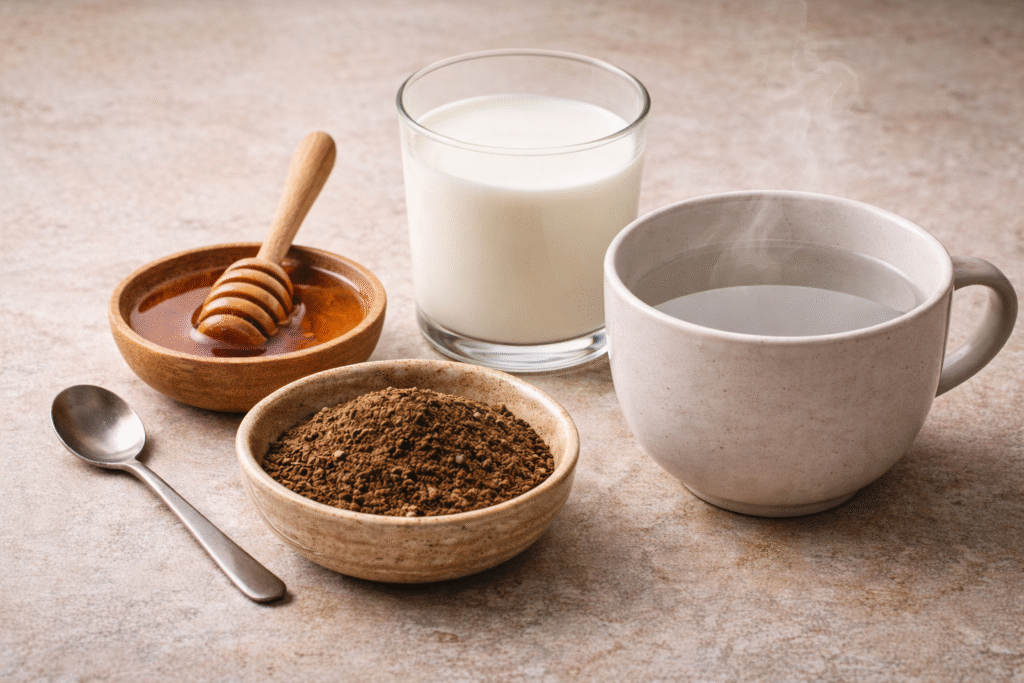
A hōjicha latte combines roasted hōjicha tea with steamed milk, creating a drink that is creamy, aromatic, and naturally smooth. Because the tea is roasted rather than grassy, the flavor blends easily with milk, producing a balanced beverage that many people find more approachable than matcha.
The flavor profile of a hōjicha latte is often described as:
- Toasted
- Nutty
- Slightly caramel-like
- Smooth and mellow
These characteristics make it feel closer to a comforting coffee drink while still offering the lightness of tea.
Another major reason cafés love hōjicha is its natural sweetness and low bitterness. Matcha can sometimes taste strong or grassy when mixed with milk, but hōjicha maintains a warm, roasted flavor that remains smooth even in creamy drinks.
This balance has helped the hōjicha latte gain popularity among people who want:
- A gentler alternative to coffee
- Less caffeine than matcha
- A cozy drink for the afternoon or evening
In many specialty cafés, hōjicha drinks now appear alongside matcha beverages, giving customers a roasted flavor option that feels both modern and comforting.
How to make a creamy hōjicha matcha latte at home
Making a delicious hōjicha latte at home is surprisingly simple. You can prepare it using either loose-leaf hōjicha or powdered hōjicha, which works similarly to matcha powder.
Here is a basic recipe for a classic hōjicha latte.
Ingredients
- 1 teaspoon hōjicha powder (or 1 tablespoon loose leaves)
- 1 cup milk (dairy or plant-based)
- 1–2 teaspoons honey or sweetener (optional)
- ½ cup hot water
Instructions
- If using loose leaves, steep the hōjicha in hot water for about 1 minute.
- If using powder, whisk it with hot water until smooth.
- Heat and froth the milk until creamy.
- Pour the tea into a mug and add the steamed milk.
- Sweeten if desired and enjoy.
The result is a warm drink with a roasted aroma and a silky texture.
Some people also enjoy experimenting with a hōjicha matcha latte, which combines both teas for a unique layered flavor. In this version, matcha adds brightness and energy while hōjicha provides a toasted, comforting base.
Because hōjicha pairs well with creamy textures, it’s also commonly used in desserts and smoothies. If you enjoy nutritious drinks alongside your tea, a balanced meal like this energizing healthy breakfast bowl can complement a morning matcha or a lighter hōjicha latte perfectly.
As cafés continue experimenting with tea-based beverages, roasted tea drinks are appearing more frequently on menus around the world.
Next, we’ll explore another important comparison people search online: hōjicha caffeine vs matcha, and which tea is better depending on your daily routine and energy needs.
Hōjicha Caffeine vs Matcha: Which Tea Is Better for Daily Energy?
Why hōjicha is naturally low in caffeine
One of the main reasons people begin exploring hōjicha the new matcha trend is its lower caffeine content. While matcha is often praised for delivering sustained energy and focus, hōjicha offers a gentler experience that many people find easier on the body.
The difference in caffeine levels comes from two key factors: the type of tea leaves used and the roasting process.
Hōjicha is commonly made from mature leaves such as bancha or from stems and twigs like kukicha. These parts of the tea plant naturally contain less caffeine than the younger leaves used for high-quality green teas.
Then comes the roasting step. During roasting, heat breaks down some caffeine molecules and reduces bitterness. As a result, the final tea contains significantly less caffeine than most other green teas.
Here is a simplified comparison of caffeine levels.
| Tea | Average Caffeine Per Cup |
|---|---|
| Matcha | 60–70 mg |
| Green tea (sencha) | 30–40 mg |
| Hōjicha | 15–30 mg |
Because of this lower caffeine level, hōjicha has become popular among people who want to reduce caffeine intake without giving up tea entirely.
Many tea drinkers appreciate hōjicha for:
- Evening relaxation
- Gentle digestion after meals
- A comforting drink before bed
- Reduced caffeine sensitivity
This makes hōjicha especially appealing for people who enjoy tea throughout the day but want to avoid overstimulation.
When to drink hōjicha vs matcha during the day
Choosing between hojicha vs matcha often depends on the time of day and the type of energy you need.
Matcha is usually consumed in the morning or early afternoon because it provides a steady release of energy. Thanks to the amino acid L-theanine, matcha’s caffeine produces a calmer, longer-lasting focus compared with coffee.
Hōjicha, on the other hand, works better later in the day when you want something warm and comforting without interfering with sleep.
Here is a simple daily guide.
| Time of Day | Best Tea Choice |
|---|---|
| Morning | Matcha for energy and focus |
| Midday | Matcha or genmaicha |
| Afternoon | Hōjicha for gentle relaxation |
| Evening | Hōjicha because of low caffeine |
Many people who follow wellness routines now keep both teas at home. They start the day with matcha for productivity and switch to hōjicha later to wind down.
Tea also pairs well with light snacks and desserts throughout the day. For example, a roasted hōjicha tea can complement delicate sweets or light treats, creating a calming afternoon break.
The flexibility of these teas is one of the reasons the Japanese tea culture has gained global appreciation. Each tea serves a different purpose depending on mood, time, and lifestyle.
Next, we’ll explore how to brew hōjicha perfectly, whether you prefer traditional hot tea, iced tea, or modern café-style drinks.
How to Brew Hōjicha Perfectly (Hot, Iced, or Latte)
Traditional brewing methods for loose leaf hōjicha
If you want to experience why many tea lovers call hōjicha the new matcha, learning how to brew it correctly is essential. Fortunately, hōjicha is one of the easiest Japanese teas to prepare because it is naturally forgiving and rarely becomes bitter.
Unlike delicate green teas that require lower temperatures, hōjicha can handle hotter water because the leaves have already been roasted. This makes the brewing process simple, even for beginners.
Here is a classic way to prepare traditional loose-leaf hōjicha.
Basic hōjicha brewing method
Ingredients
- 1 tablespoon loose-leaf hōjicha
- 1 cup hot water (around 90–95°C / 194–203°F)
Steps
- Place the hōjicha leaves into a teapot or tea infuser.
- Pour hot water over the leaves.
- Let the tea steep for 30–60 seconds.
- Strain the leaves and pour the tea into your cup.
Because hōjicha is mild, the leaves can often be steeped two or three times, producing multiple cups from the same portion.
The result is a tea with a comforting roasted aroma and a smooth, mellow taste.
Many people enjoy hōjicha after meals because its toasted flavor complements both sweet and savory foods. It can also be served alongside light desserts, making it a popular choice for afternoon tea.
Modern recipes: iced hōjicha, hōjicha latte, and desserts
As the global popularity of Japanese teas grows, hōjicha is appearing in more modern drinks and recipes. Cafés and home cooks alike are experimenting with new ways to enjoy this roasted tea.
One of the most popular options today is the iced hōjicha latte, which combines roasted tea with milk and ice for a refreshing drink.
Simple iced hōjicha latte
Ingredients
- 1 teaspoon hōjicha powder or strong brewed hōjicha
- 1 cup milk
- Ice cubes
- Optional sweetener (honey, maple syrup, or sugar)
Instructions
- Brew strong hōjicha or whisk hōjicha powder with a small amount of hot water.
- Fill a glass with ice.
- Pour the tea over the ice.
- Add milk and sweetener if desired.
- Stir gently and enjoy.
Because of its toasted notes, hōjicha blends beautifully with milk, which explains the growing popularity of the hōjicha latte worldwide.
Beyond drinks, roasted tea flavors are now appearing in:
- Ice cream
- Cheesecakes
- Pancakes
- Custards
- Smoothies
The warm roasted taste pairs especially well with creamy desserts and fruit-based dishes. Some people even enjoy pairing hōjicha with healthy morning meals like this nourishing healthy breakfast bowl, creating a balanced and energizing start to the day.
As tea culture continues to evolve globally, hōjicha is becoming one of the most versatile ingredients in both drinks and desserts.
In the final section, we’ll explore why hōjicha is becoming the new matcha trend worldwide, and what this means for the future of specialty tea.
Why Hōjicha Is Becoming the New Matcha Trend Worldwide
Social media tea trends and café culture
Over the past few years, the global tea scene has changed dramatically. While matcha once dominated café menus and wellness trends, a new roasted tea is now gaining attention. That is why many tea lovers and baristas now refer to hōjicha the new matcha.
Several factors have contributed to this growing popularity.
First, social media platforms have played a major role. Food creators and café owners frequently share visually appealing drinks such as hōjicha lattes, iced roasted tea beverages, and hōjicha desserts. The warm brown color of the tea, combined with creamy milk foam, creates an aesthetic that stands out in photos and videos.
Second, café culture continues to evolve. Specialty coffee shops are expanding their menus to include unique tea drinks that appeal to customers looking for alternatives to coffee. As a result, drinks like hōjicha latte, iced hōjicha milk, and hōjicha desserts are becoming common in modern cafés.
Another key reason for the trend is flavor preference. Compared with matcha’s grassy taste, hōjicha’s roasted profile feels warmer and easier to enjoy for many people.
Consumers often describe hōjicha as:
- Comforting
- Smooth and mellow
- Naturally sweet
- Less bitter than green tea
These characteristics make hōjicha appealing even for people who previously didn’t enjoy green tea.
Why many tea lovers are switching from matcha to hōjicha
Although matcha remains extremely popular, some tea drinkers are gradually switching to hōjicha for practical reasons.
One of the biggest factors is caffeine sensitivity. Since matcha contains significantly more caffeine, some people experience jitters or sleep disruptions when drinking it later in the day.
Because hōjicha contains much less caffeine, it offers a more relaxed tea experience.
Here are some common reasons people choose hōjicha instead of matcha:
| Reason | Explanation |
|---|---|
| Lower caffeine | Suitable for afternoon or evening drinking |
| Smooth flavor | Less grassy and easier to enjoy |
| Digestive comfort | Gentle on sensitive stomachs |
| Versatility | Works well in lattes, desserts, and iced drinks |
Another reason for hōjicha’s rising popularity is its compatibility with wellness lifestyles. Many people who enjoy functional drinks also explore calming beverages and herbal infusions.
For example, alongside roasted tea drinks, some wellness enthusiasts also experiment with herbal options like ashwagandha tea, which is known for its relaxing properties.
As a result, hōjicha is finding its place among beverages that balance flavor, comfort, and mindful drinking habits.
Ultimately, the rise of hōjicha does not mean matcha is disappearing. Instead, both teas are becoming part of a broader movement toward specialty tea culture.
Matcha continues to represent energy and vibrant flavor, while hōjicha offers warmth, relaxation, and versatility. Together, they showcase the richness of Japanese tea traditions and explain why more people around the world are discovering these remarkable teas.
FAQ — Hōjicha vs Matcha and Other Common Questions
Hōjicha vs matcha: which tea is healthier?
Both teas offer health benefits. Matcha contains higher antioxidant levels because the entire tea leaf is consumed. However, hōjicha is lower in caffeine and gentler on the stomach, making it ideal for people looking for a calming tea.
Is hōjicha roasted matcha?
No. Hōjicha is not roasted matcha. Matcha is made from shade-grown leaves that are ground into powder, while hōjicha is created by roasting green tea leaves such as bancha or sencha.
What is the caffeine level in hōjicha vs matcha?
Matcha usually contains about 60–70 mg of caffeine per serving, while hōjicha typically contains 15–30 mg, depending on the tea leaves used.
Can you make a hōjicha latte like a matcha latte?
Yes. A hōjicha latte is made by mixing brewed or powdered hōjicha with steamed milk. The result is a creamy drink with toasted, nutty flavors.
What are the main hōjicha benefits?
Hōjicha is valued for its:
- Low caffeine content
- Smooth roasted flavor
- Gentle digestion support
- Relaxing drinking experience
How does hōjicha compare to matcha and genmaicha?
Matcha offers strong flavor and high antioxidants, genmaicha combines green tea with roasted rice for a mild taste, and hōjicha provides a warm roasted flavor with lower caffeine.
Conclusion
The rise of hōjicha the new matcha shows how quickly tea culture continues to evolve. While matcha remains one of the most famous Japanese teas, hōjicha is attracting attention for its comforting roasted flavor, lower caffeine content, and versatility in drinks and desserts.
Whether enjoyed as a traditional hot tea or as a creamy latte, hōjicha offers a unique experience that feels both modern and deeply rooted in Japanese tea tradition.
For those who enjoy exploring warm and comforting beverages, discovering new tea recipes can be a great way to expand your routine. If you’re looking for another soothing drink idea, you might enjoy this refreshing royal milk tea recipe.
As more people discover the smooth roasted flavor of hōjicha, it’s clear that this once-overlooked tea is becoming a global favorite—and possibly the next big chapter in the world of specialty tea.
Print
Hōjicha the New Matcha: Why This Roasted Japanese Tea Is Taking Over
- Total Time: 10 minutes
- Yield: 1 serving
- Diet: Vegetarian
Description
A creamy hojicha latte made with roasted Japanese green tea and steamed milk. This comforting drink has a smooth nutty flavor, low caffeine, and is perfect for a relaxing afternoon or evening beverage.
- Prep Time: 5 minutes
- Cook Time: 5 minutes
- Category: Drink
- Method: Steeping
- Cuisine: Japanese
Nutrition
- Serving Size: 1 cup
- Calories: 120
- Sugar: 8g
- Sodium: 90mg
- Fat: 5g
- Saturated Fat: 3g
- Unsaturated Fat: 2g
- Trans Fat: 0g
- Carbohydrates: 12g
- Fiber: 0g
- Protein: 6g
- Cholesterol: 15mg
Keywords: hojicha latte, hojicha tea, roasted green tea latte, japanese tea latte, hojicha drink