
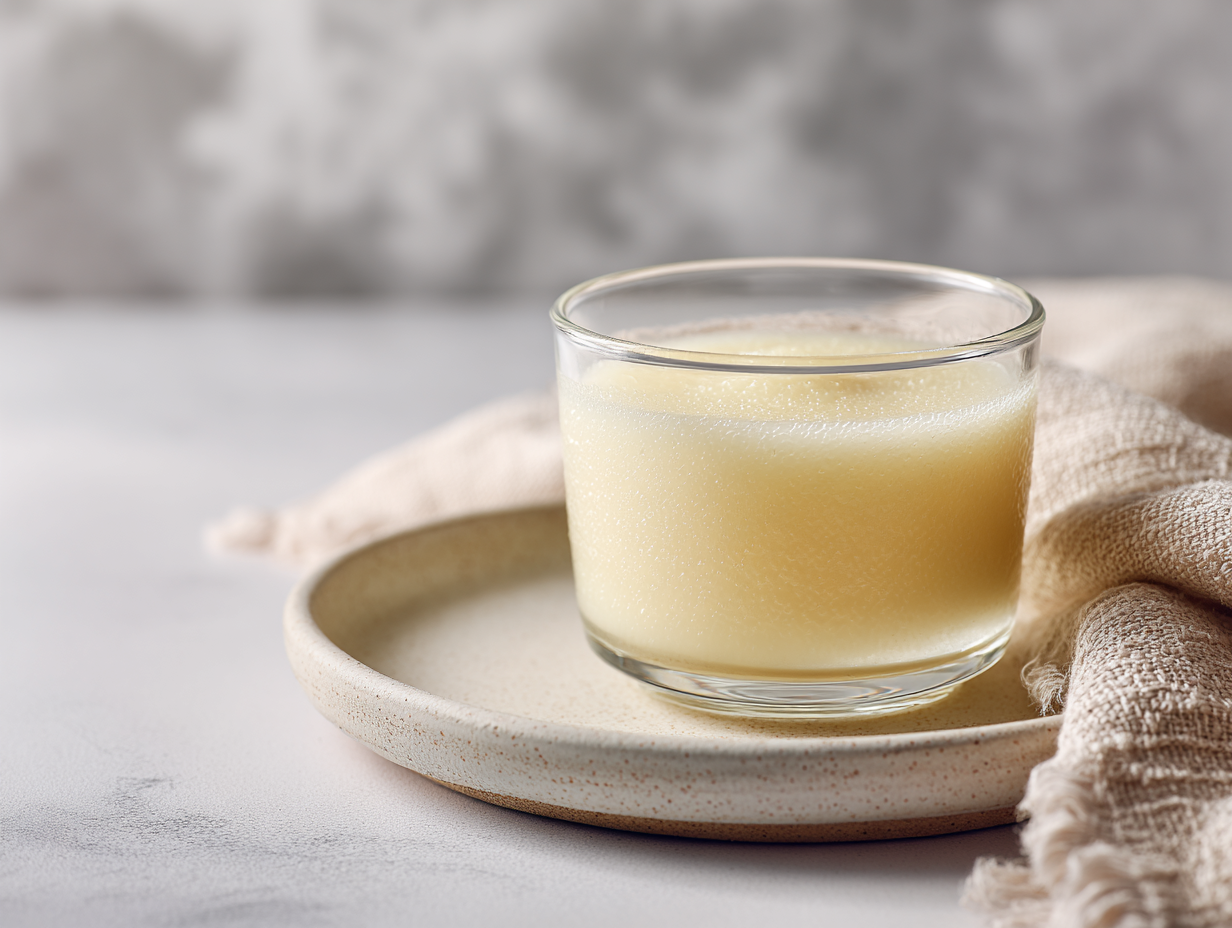
When it comes to protein supplements for dieting, the debate around gelatin vs collagen for weight loss keeps growing. Both come from animal collagen, both are low in calories, and both show up in popular weight loss routines. But they work differently in the body, especially when hunger control and calorie balance matter.
If you have seen trends like the gelatin weight loss trick , or bariatric-friendly gelatin recipes, you may be wondering which option truly fits your goals. This guide breaks it all down in a clear, practical way.
Why You’ll Love This Comparison
- Simple: No confusing science language or hype.
- Practical: Focused on real weight loss habits.
- Diet-friendly: Helpful for low-calorie and bariatric plans.
What Is Gelatin?
Gelatin is made by cooking collagen-rich animal parts like bones and skin. Once processed, it becomes a flavorless powder that thickens and sets liquids. In the kitchen, gelatin is commonly used for desserts, gummies, and low-calorie snacks.
Many people use gelatin during weight loss because it is extremely low in calories while still providing protein. Popular options include homemade gelatin cups and bariatric gelatin recipes designed to control portions.
What Is Collagen?
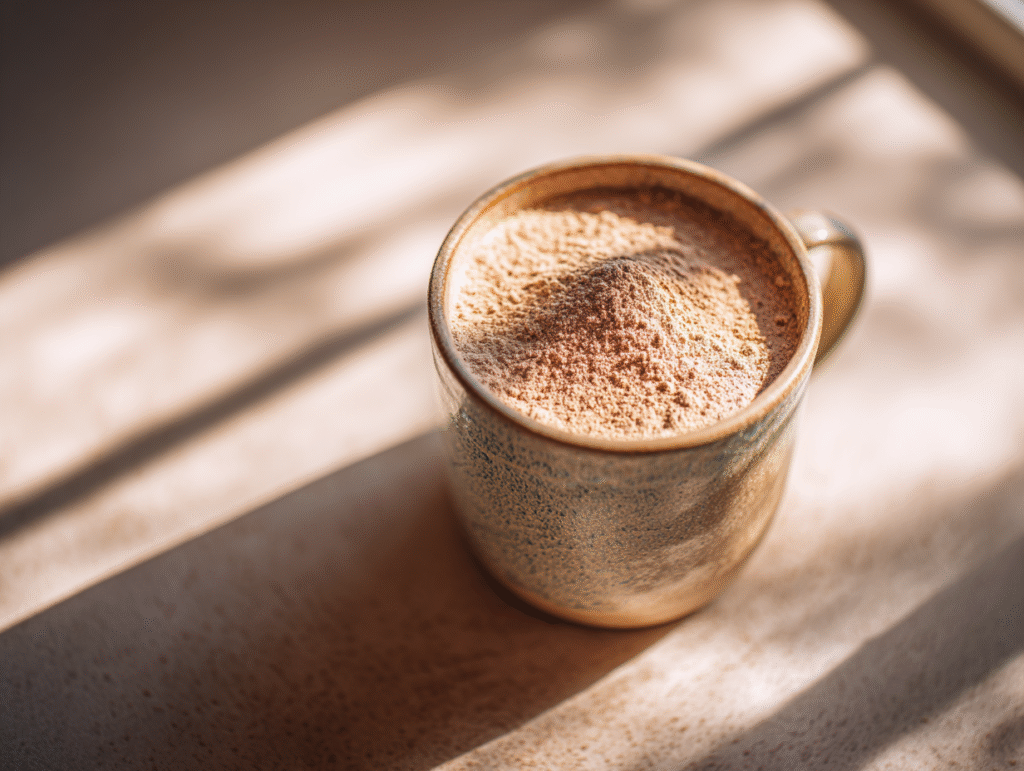
Collagen is the original protein found in connective tissues like skin, tendons, and cartilage. Unlike gelatin, collagen dissolves easily in hot or cold liquids and does not gel. It is often sold as collagen peptides or collagen powder.
Collagen supplements are popular because they mix smoothly into coffee, smoothies, and soups. Many people already use collagen for skin or joint support and want to know if it also supports fat loss.
Gelatin vs Collagen for Weight Loss: Key Differences
Although gelatin and collagen come from the same source, their structure changes how they behave in your body. This matters when appetite control and calorie intake are your priorities.
Satiety and Hunger Control
Gelatin expands and thickens in liquid, which can create a strong feeling of fullness. This is why gelatin-based snacks are often used between meals. Many dieters rely on options like bariatric jello to manage cravings.
Collagen also supports fullness because it is protein, but it does not create the same physical volume in the stomach. Its hunger control effect is more subtle and gradual.
Calories and Protein Content
Gelatin is very low in calories, usually around 20–25 calories per serving. It contains protein, but not a complete amino acid profile.
Collagen is slightly higher in calories, usually around 35–45 calories per serving. However, it provides more protein per scoop, which can support lean mass during weight loss.
Ease of Use
Gelatin requires preparation. You must bloom it, dissolve it, and chill it to get the full effect. Some people enjoy this ritual, while others find it inconvenient.
Collagen is much easier. You can stir it directly into drinks or foods without changing texture, making it ideal for busy routines.
Which Is Better for Weight Loss?
The answer depends on how you approach dieting. For strict calorie control and appetite suppression, gelatin often works better. It creates volume in the stomach with minimal calories.
For long-term consistency and muscle support, collagen may be the better choice. It fits easily into daily meals and helps maintain protein intake without feeling restrictive.
Tips & Variations
- Use unflavored gelatin to avoid added sugar.
- Pair gelatin with fruit or herbal tea for variety.
- Add collagen to coffee, oatmeal, or smoothies for steady protein intake.
Substitutions
If you do not tolerate gelatin or collagen well, other low-calorie protein options like egg whites or Greek yogurt may help. You can also explore protein-rich breakfasts such as high-protein breakfasts without eggs .
FAQs
Can I use gelatin and collagen together?
Yes. Many people use gelatin for snacks and collagen for drinks. This combination balances fullness and convenience.
Is gelatin safe for daily weight loss use?
Gelatin is generally safe in moderate amounts. However, it should not replace whole foods or complete protein sources.
More to Try
- Gelatin Double Bloom Weight Loss Trick
- Bariatric Jello Recipe with Pink Salt
- Zero Carb Yogurt Bread
- High-Protein Overnight Oats
Conclusion
When comparing gelatin vs collagen for weight loss, there is no single winner. Gelatin works well for appetite control and ultra-low calorie snacks, while collagen fits easily into daily routines and supports protein intake. Choosing the right option depends on how you eat, cook, and stay consistent.
Print
Gelatin vs Collagen for Weight Loss
- Total Time: 10 minutes
- Yield: 1-2 servings
- Diet: Low Calorie
Description
A practical guide comparing gelatin and collagen for dieting, appetite control, and low-calorie routines.
Ingredients
- Unflavored gelatin powder
- Collagen peptides or powder
- Water or herbal tea (for gelatin prep)
- Low-calorie flavor add-ins (optional)
- Coffee, smoothies, or oatmeal (for collagen use)
Instructions
- Use unflavored gelatin to prepare low-calorie snacks like homemade gelatin cups.
- To prepare gelatin, bloom it in cold water, dissolve in hot liquid, and chill until set.
- Combine collagen powder with hot or cold drinks like coffee or smoothies for easy intake.
- Use gelatin between meals to boost fullness and help manage cravings.
- Add collagen to breakfast or snacks for consistent protein throughout the day.
Notes
Gelatin offers greater stomach-filling volume for appetite control, while collagen supports consistent protein intake. Both can complement weight loss goals depending on routine.
- Prep Time: 5 minutes
- Cook Time: 5 minutes
- Category: Weight Loss
- Method: No Cook
- Cuisine: Health & Fitness
Nutrition
- Serving Size: 1 serving
- Calories: 20-45
- Sugar: 0g
- Sodium: 15mg
- Fat: 0g
- Saturated Fat: 0g
- Unsaturated Fat: 0g
- Trans Fat: 0g
- Carbohydrates: 0g
- Fiber: 0g
- Protein: 5-10g
- Cholesterol: 0mg
Keywords: gelatin, collagen, weight loss, protein supplement, dieting