
Introduction
Chia seeds are small, yet they’re packed with powerful nutrients that support overall health. From improved digestion to better heart health, chia seeds benefits make them one of the most popular superfoods today. Because chia seeds are rich in fiber, omega-3 fatty acids, and chia seeds protein, they’re often used for weight management, skin health, and daily energy support. At the same time, many people want to know how to eat chia seeds correctly, whether chia seeds in water are effective, and if it’s safe to eat chia seeds every day.
In this complete guide, you’ll discover chia seeds nutrition, the best ways to consume them, chia seeds benefits for females, potential chia seeds side effects, and practical tips for adding them to your routine. You’ll also learn how chia seeds are used in different cultures, including chia seeds in Urdu and chia seeds in Arabic, along with insights into chia seeds price and storage. Learn more about /chia-jelly-recipe/ to explore one of the easiest and most effective ways to enjoy chia seeds daily while maximizing their health benefits.
What Are Chia Seeds and Why Are They So Popular?
Origin and History of Chia Seeds
Chia seeds come from the Salvia hispanica plant, which is native to Central America. Historically, chia seeds were a vital food source for ancient civilizations, especially the Aztecs and Mayans. These cultures relied on chia seeds for stamina, strength, and sustained energy, which explains why chia seeds were often consumed before long journeys or battles. Over time, chia seeds disappeared from everyday diets, yet in recent decades, they’ve returned as people focus more on natural and functional foods.
Today, chia seeds are recognized globally for their impressive nutrition profile. Because chia seeds are easy to store, simple to prepare, and versatile, they fit well into modern lifestyles. In addition, chia seeds can be eaten raw, soaked, or added to recipes, which makes them convenient for beginners. Discover great ideas like /chia-seed-jelly/ to see how chia seeds can be transformed into an easy, no-cook option that works for busy schedules.
Why Chia Seeds Are Considered a Superfood
Chia seeds are often labeled a superfood because they deliver multiple health benefits in a very small serving. Even one tablespoon provides fiber, chia seeds protein, omega-3 fatty acids, and essential minerals like calcium, magnesium, and iron. Because of this nutrient density, chia seeds nutrition supports digestion, heart health, muscle function, and overall wellness.
Another reason chia seeds are so popular is their unique ability to absorb liquid. When soaked, chia seeds expand and form a gel-like texture, which helps slow digestion and promote a feeling of fullness. As a result, chia seeds in water are commonly used by people looking to manage appetite or support weight goals. This gel also helps stabilize blood sugar levels, making chia seeds a smart addition for balanced energy throughout the day.
Chia seeds benefits also extend to their neutral taste. Since they don’t overpower other foods, you can easily add them to smoothies, oatmeal, yogurt, or salads. Check out /chia-jelly-recipe/ if you want a simple and effective way to enjoy chia seeds daily without changing your regular meals. Because chia seeds are plant-based, gluten-free, and highly adaptable, they’ve earned their place as a staple in health-focused diets across the world.
Chia Seeds Nutrition Profile
Chia Seeds Protein, Fiber, and Healthy Fats
Chia seeds nutrition is one of the main reasons these tiny seeds are so highly valued. Even though they’re small, chia seeds deliver an impressive balance of macronutrients that support daily health. One of the standout components is chia seeds protein. While chia seeds aren’t a complete protein on their own, they still provide a solid plant-based protein source that supports muscle repair and long-lasting energy. Because of this, chia seeds are often included in vegetarian and plant-focused diets.
At the same time, chia seeds are exceptionally high in dietary fiber. In fact, just one serving can cover a large portion of your daily fiber needs. This fiber helps improve digestion, supports gut health, and promotes a feeling of fullness. As a result, many people use chia seeds in water to help control appetite and reduce unnecessary snacking. Since fiber slows digestion, chia seeds can also help stabilize blood sugar levels throughout the day.
Another major strength of chia seeds nutrition is their healthy fat content. Chia seeds are one of the richest plant-based sources of omega-3 fatty acids. These healthy fats play a key role in heart health, brain function, and inflammation control. Because the fats in chia seeds digest slowly, they help provide steady energy rather than quick spikes and crashes. This balance of protein, fiber, and healthy fats explains why chia seeds benefits are often linked to weight management and sustained energy.
Vitamins and Minerals in Chia Seeds
Beyond macronutrients, chia seeds are packed with essential vitamins and minerals that support overall wellness. Chia seeds contain calcium, magnesium, phosphorus, and iron, all of which contribute to strong bones and healthy muscle function. Because of their calcium content, chia seeds are especially beneficial for people who don’t consume dairy regularly.
Chia seeds nutrition also includes antioxidants, which help protect cells from oxidative stress. These antioxidants support skin health and may slow visible signs of aging, which is why chia seeds benefits for skin are often highlighted. In addition, minerals like magnesium support relaxation and nerve function, while iron helps maintain healthy oxygen flow in the body.
Thanks to this nutrient combination, chia seeds benefits for females are often associated with bone strength, hormonal balance, and sustained energy levels. When eaten consistently and in proper portions, chia seeds can easily complement a balanced diet. Whether you add them to smoothies, oatmeal, or soaked chia seeds in water, they deliver a wide range of nutrients without adding excessive calories.
Chia Seeds Benefits for Overall Health
Chia Seeds Benefits for Digestion and Gut Health
One of the most well-known chia seeds benefits is improved digestion. Chia seeds are extremely rich in dietary fiber, which plays a key role in keeping the digestive system healthy. When chia seeds are consumed, especially as chia seeds in water, they absorb liquid and form a gel-like substance. This gel helps move food smoothly through the digestive tract, which supports regular bowel movements and reduces constipation.
Because fiber feeds beneficial gut bacteria, chia seeds nutrition also supports a healthy gut microbiome. A balanced gut helps improve nutrient absorption, reduce bloating, and strengthen immunity. As a result, people who regularly include chia seeds in their diet often notice better digestion and less discomfort after meals. In addition, fiber slows down digestion, which helps you feel full longer and prevents sudden hunger spikes.
Another benefit is blood sugar control. Since fiber delays the breakdown of carbohydrates, chia seeds help prevent sharp rises in blood sugar levels. This makes chia seeds a smart choice for people aiming to maintain steady energy throughout the day. When used consistently and in moderation, chia seeds benefits for digestion can support long-term gut health without stressing the stomach.
Chia Seeds Benefits for Heart Health
Chia seeds benefits also strongly support heart health. One of the main reasons is their high omega-3 fatty acid content. These healthy fats help reduce inflammation, lower bad cholesterol levels, and support overall cardiovascular function. Because chia seeds are plant-based, they’re an excellent option for people looking to improve heart health without relying on animal sources of fat.
In addition to omega-3s, the fiber found in chia seeds helps reduce cholesterol absorption in the bloodstream. This combination of fiber and healthy fats contributes to healthier arteries and better circulation. Over time, regularly eating chia seeds may help lower the risk of heart-related issues when combined with a balanced diet and active lifestyle.
Chia seeds also contain minerals like magnesium and potassium, which support healthy blood pressure levels. These nutrients help relax blood vessels and maintain proper heart rhythm. Because of this, chia seeds nutrition supports not only heart health but also overall metabolic balance. Whether added to smoothies, sprinkled over meals, or consumed as soaked chia seeds, chia seeds offer a simple and natural way to support long-term heart wellness.
Chia Seeds Benefits for Females
Hormonal Balance and Energy Support
Chia seeds benefits for females are often linked to hormonal balance and steady energy levels. Because chia seeds are rich in healthy fats, especially omega-3 fatty acids, they support hormone production and regulation. These fats help the body manage inflammation and may reduce common hormonal discomforts when chia seeds are consumed regularly as part of a balanced diet.
In addition, chia seeds protein and fiber work together to provide long-lasting energy. Unlike refined carbohydrates, chia seeds digest slowly, which helps prevent energy crashes. This makes chia seeds particularly helpful for women with busy routines, as they support focus and stamina throughout the day. When added to breakfast or consumed as chia seeds in water, they can help maintain stable blood sugar levels and reduce mid-day fatigue.
Chia seeds nutrition also includes iron and magnesium, two minerals that play an important role in energy production. Iron supports oxygen transport in the blood, while magnesium helps reduce muscle tension and supports relaxation. Because of this, chia seeds benefits for females often include improved endurance and reduced feelings of tiredness when consumed consistently.
Chia Seeds Benefits for Skin and Hair
Another major reason women include chia seeds in their diet is skin and hair health. Chia seeds benefits for skin come largely from their antioxidant content and healthy fats. Antioxidants help protect skin cells from damage caused by environmental stress, while omega-3 fatty acids support skin hydration and elasticity.
Chia seeds nutrition also supports collagen production indirectly by providing essential nutrients that keep skin firm and smooth. When the body receives enough healthy fats and minerals, skin tends to look more radiant and balanced. As a result, chia seeds are often recommended for those experiencing dryness or dull skin.
Hair health also benefits from regular chia seed consumption. The protein content supports hair structure, while minerals like zinc and iron help maintain strong hair roots. Because chia seeds can be easily added to smoothies, yogurt, or soaked overnight, they offer a simple way to support beauty from within. When eaten in moderation and prepared correctly, chia seeds benefits for females extend beyond internal health to visible improvements in skin and hair.
How to Eat Chia Seeds Correctly
Chia Seeds in Water: Method and Timing
One of the simplest and most popular ways to consume chia seeds is by soaking them in water. Chia seeds in water are easy to prepare and gentle on digestion, which makes them ideal for daily use. To prepare, add 1 tablespoon of chia seeds to a glass of water, stir well, and let it sit for at least 20–30 minutes. During this time, the seeds absorb the liquid and form a gel-like texture that’s easier for the body to digest.
Drinking soaked chia seeds helps support hydration, digestion, and appetite control. Because the gel expands in the stomach, it promotes a feeling of fullness, which can help reduce overeating. Many people prefer to drink chia seeds in water in the morning on an empty stomach, as this supports digestion and provides steady energy for the day. However, they can also be consumed before meals to help manage portion sizes.
It’s important to avoid eating dry chia seeds on their own. Since chia seeds absorb liquid quickly, eating them dry may cause discomfort. Soaking them properly ensures you receive all the chia seeds benefits without digestive issues. Consistency and moderation are key to making chia seeds in water a healthy daily habit.
Best Ways to Add Chia Seeds to Daily Meals
Besides soaking, there are many easy ways to include chia seeds in everyday meals. Because they have a mild flavor, chia seeds blend well with both sweet and savory foods. You can sprinkle chia seeds over yogurt, oatmeal, salads, or cereal without changing the taste. This method works well for people who want to boost chia seeds nutrition without extra preparation.
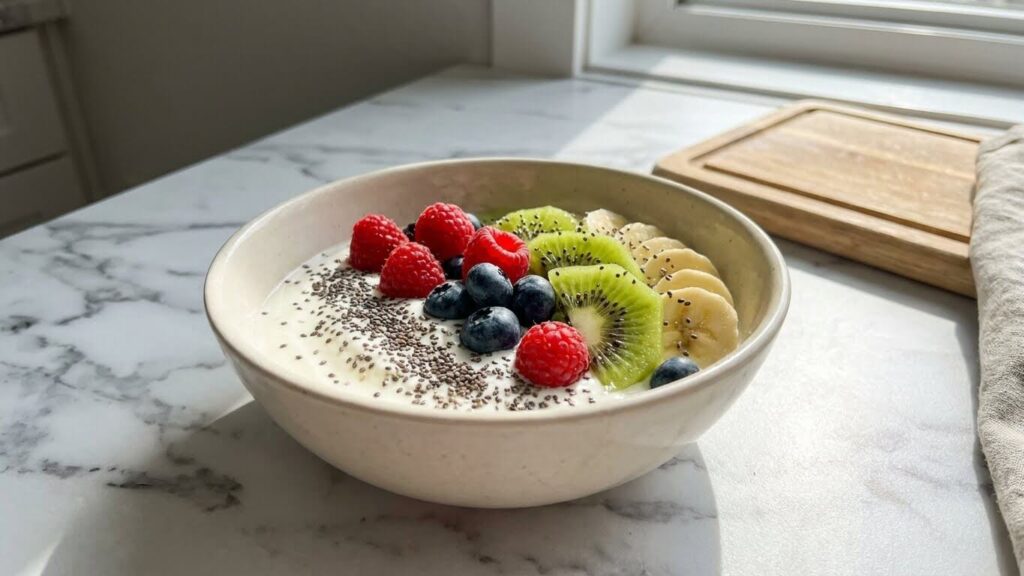
Chia seeds also work perfectly in smoothies. When blended, they add thickness and boost fiber, protein, and healthy fats. Another popular option is mixing chia seeds into milk or plant-based alternatives and letting them soak overnight. This creates a pudding-like texture that’s filling and nutritious, making it a great breakfast or snack.
For cooking and baking, chia seeds can even replace eggs in certain recipes by mixing them with water to form a gel. No matter how you choose to eat them, portion control matters. Typically, 1–2 tablespoons per day are enough to enjoy chia seeds benefits without side effects. When used consistently and prepared correctly, chia seeds can easily become part of a balanced, healthy diet.
How to Use Chia Seeds for Weight Loss
How to Use Chia Seeds to Lose Belly Fat
Chia seeds are often included in weight loss routines because they help control appetite and support fat management naturally. One of the main reasons chia seeds help with belly fat is their high fiber content. Fiber absorbs water, expands in the stomach, and keeps you feeling full for longer periods. As a result, you’re less likely to snack unnecessarily or overeat during meals.
Using chia seeds in water is one of the most effective methods for weight support. When consumed before meals, soaked chia seeds help reduce hunger and slow digestion. This leads to better portion control and more balanced calorie intake throughout the day. Because chia seeds also contain healthy fats and chia seeds protein, they help preserve muscle mass while supporting fat loss.
Another advantage is blood sugar regulation. Stable blood sugar levels reduce cravings, especially for sugary or processed foods that contribute to belly fat. When chia seeds are consumed regularly as part of a balanced diet, they help create a steady energy supply, which supports healthier eating habits over time.
Best Time to Eat Chia Seeds for Weight Loss
Timing plays an important role when using chia seeds for weight management. Many people prefer eating chia seeds in the morning, especially soaked chia seeds in water. Consuming them early in the day helps kick-start digestion and keeps you full for several hours. This can reduce overeating later in the day and improve meal control.
Another effective time to eat chia seeds is before meals. Taking soaked chia seeds about 20–30 minutes before lunch or dinner can help reduce appetite and prevent overeating. Some people also enjoy chia seeds as an evening snack mixed into yogurt or milk, as they digest slowly and help curb late-night cravings.
While chia seeds benefits for weight loss are real, they work best when combined with a healthy diet and active lifestyle. Portion control is essential, as consuming too many chia seeds can lead to excess calories. Typically, 1–2 tablespoons per day are enough to support weight goals safely and effectively. When used consistently and correctly, chia seeds can be a simple yet powerful addition to a sustainable weight loss routine.
Chia Seeds in Different Languages and Cultures
Chia Seeds in Urdu and Arabic
Chia seeds are widely recognized across different cultures, and their popularity continues to grow worldwide. In Urdu, chia seeds are commonly referred to as tukhm-e-sharbati, although this term is sometimes used interchangeably with basil seeds. Because of this, it’s important to distinguish true chia seeds from similar-looking seeds when purchasing them. In many South Asian households, chia seeds in Urdu-speaking regions are used in drinks, soaked in water, or added to desserts for their cooling and digestive benefits.
In Arabic, chia seeds are known as بذور الشيا. In Middle Eastern cultures, chia seeds in Arabic-speaking regions are often added to smoothies, juices, and healthy snacks. As interest in natural wellness grows, chia seeds have become more available in local markets and health food stores. Their neutral flavor makes them easy to combine with traditional foods without altering taste.
Across both cultures, chia seeds in water are commonly consumed during hot weather to support hydration and digestion. This practice highlights how chia seeds nutrition fits naturally into traditional wellness routines while also aligning with modern health trends.
Traditional and Modern Uses Worldwide
Historically, chia seeds were used by ancient civilizations as an energy-boosting food. Today, modern diets around the world have adopted chia seeds for their versatility and health benefits. In Western countries, chia seeds are often used in smoothies, overnight puddings, and baked goods. Meanwhile, in Asian and Middle Eastern regions, they’re commonly soaked and added to drinks or light meals.
Modern health-conscious consumers also use chia seeds as an egg substitute in vegan cooking or as a thickening agent in recipes. Their ability to absorb liquid makes them useful in both sweet and savory dishes. Because chia seeds are shelf-stable and easy to store, they’re a convenient ingredient in households across different cultures.
As awareness continues to grow, chia seeds benefits are being recognized globally, regardless of language or cuisine. Whether used traditionally or in modern recipes, chia seeds remain a simple and effective way to enhance daily nutrition.
Chia Seeds Side Effects and Precautions
Who Should Avoid Chia Seeds
While chia seeds offer many health benefits, they may not be suitable for everyone. Chia seeds side effects are usually mild, yet they can occur if the seeds are consumed incorrectly or in excessive amounts. Because chia seeds are extremely high in fiber, eating too many at once may cause bloating, gas, or stomach discomfort, especially for people who aren’t used to high-fiber foods.
People with sensitive digestive systems should introduce chia seeds slowly. Starting with a small amount allows the body to adjust and reduces the risk of digestive upset. In addition, individuals with swallowing difficulties should avoid eating dry chia seeds. Since chia seeds absorb liquid quickly, they should always be soaked before consumption to prevent discomfort.
Those with known seed allergies or specific medical conditions should consult a healthcare professional before adding chia seeds to their diet. Although chia seeds are natural, moderation is important to avoid unwanted side effects.
Is It Okay to Eat Chia Seeds Every Day?
For most people, it is completely safe to eat chia seeds every day when consumed in proper portions. In fact, regular intake can support digestion, heart health, and sustained energy levels. The key is moderation. Generally, 1–2 tablespoons per day are enough to enjoy chia seeds benefits without stressing the digestive system.
Drinking chia seeds in water daily can help improve hydration and appetite control, as long as you drink enough fluids throughout the day. Since chia seeds are high in fiber, increasing water intake is essential to prevent constipation or discomfort. When paired with a balanced diet, daily chia seed consumption can be both safe and beneficial.
However, more isn’t always better. Excessive intake may lead to digestive issues or unnecessary calorie consumption. Listening to your body and maintaining balance ensures you gain the full benefits of chia seeds without negative effects.
Chia Seeds Price, Storage, and Buying Tips
Chia Seeds Price and Quality Indicators
Chia seeds price can vary depending on quality, packaging, and where you buy them. In general, chia seeds are affordable and widely available in grocery stores, health food shops, and online marketplaces. Organic chia seeds usually cost more than conventional options, yet many people prefer them due to minimal processing and higher quality standards.
When buying chia seeds, always check the label. High-quality chia seeds should be uniform in color, usually black or white, and free from moisture or debris. They shouldn’t have a strong smell, as fresh chia seeds are mostly odorless. Choosing reputable brands helps ensure you’re getting pure chia seeds with full nutritional value.
Buying in bulk can reduce chia seeds price over time, especially if you use them regularly. However, bulk purchases only make sense if you store them properly to maintain freshness and nutritional quality.
How to Store Chia Seeds Properly
Proper storage is essential to preserve chia seeds nutrition and prevent spoilage. Chia seeds should be stored in an airtight container in a cool, dry place, away from direct sunlight. Because chia seeds contain healthy fats, exposure to heat and moisture can cause them to go rancid over time.
For long-term storage, chia seeds can also be kept in the refrigerator. This helps extend their shelf life and keeps the fats fresh. When stored correctly, chia seeds can last up to two years without losing quality. Always use a dry spoon when handling chia seeds to avoid introducing moisture into the container.
If chia seeds develop an unusual smell or taste, it’s best to discard them. Proper storage ensures you continue to enjoy chia seeds benefits safely and effectively as part of your daily routine.
FAQs About Chia Seeds
What are the benefits of eating chia seeds?
Chia seeds offer multiple health benefits because they’re rich in fiber, protein, and omega-3 fatty acids. Regular consumption supports digestion, heart health, weight management, and steady energy levels. In addition, chia seeds nutrition helps improve gut health, control blood sugar levels, and support skin and hair health when eaten in moderation.
How to use chia seeds to lose belly fat?
To support belly fat loss, chia seeds are best consumed soaked. Drinking chia seeds in water before meals helps reduce appetite and control portion sizes. Because fiber keeps you full for longer, it naturally reduces calorie intake. Combined with a balanced diet and physical activity, chia seeds can support sustainable weight management.
Is it okay to eat chia seeds every day?
Yes, it’s generally safe to eat chia seeds every day as long as you stick to recommended portions. Around 1–2 tablespoons daily is enough to gain chia seeds benefits without digestive discomfort. Drinking enough water is important because chia seeds absorb liquid and are high in fiber.
How should chia seeds be eaten?
Chia seeds should be eaten soaked or mixed into foods with moisture. Popular options include chia seeds in water, smoothies, yogurt, oatmeal, or chia jelly. Avoid eating dry chia seeds on their own, as soaking makes them easier to digest and safer to consume.
Conclusion
Chia seeds may be small, but their health benefits are impressive. From improved digestion and heart health to weight management and skin support, chia seeds nutrition makes them a powerful addition to a balanced diet. When prepared correctly and consumed in moderation, chia seeds are safe, versatile, and easy to include in daily meals. Whether you drink chia seeds in water, mix them into smoothies, or enjoy them as a gel, consistency is key. Don’t miss our chia jelly recipe to explore one of the simplest and most effective ways to enjoy chia seeds every day.