
Introduction
Chia seed jelly has become a popular wellness staple thanks to its simplicity, versatility, and impressive nutritional profile. Made by soaking chia seeds in liquid, this gel-like food is easy to prepare and fits seamlessly into many healthy lifestyles. Whether you’re interested in a chia seed jelly recipe, exploring chia seed jelly benefits, or wondering how it compares to chia seed jam or konjac jelly, understanding the basics is the first step. In this guide, you’ll discover what chia seed jelly is, why it’s trending, and how it can support everyday health goals like digestion, energy, and weight management.
What Is Chia Seed Jelly and Why Is It So Popular?
What chia seed jelly is made of
Chia seed jelly is made by combining chia seeds with a liquid such as water, juice, or plant-based milk. Once mixed, the seeds absorb the liquid and expand, forming a thick, gel-like texture within minutes. This natural transformation happens because chia seeds are rich in soluble fiber, which binds with water and creates a jelly consistency without heat or additives.
Because the process is so simple, chia seed jelly is often seen as a “set it and forget it” food. You stir, wait, and it’s ready. That ease of preparation makes it appealing for busy mornings, meal prep routines, and anyone looking for a no-cook option. At the same time, chia seed jelly delivers fiber, omega-3 fatty acids, and plant-based protein in a single serving, which explains why it’s often recommended in wellness-focused diets.
Another reason chia seed jelly stands out is its flexibility. You can keep it plain and neutral, or you can flavor it with fruit juice, citrus, vanilla, or spices. Since chia seeds have a mild taste, they don’t overpower other ingredients, which allows the jelly to work well in both sweet and lightly savory combinations.
Chia seed jelly vs chia seed jam vs konjac jelly
Although they’re often confused, chia seed jelly, chia seed jam, and konjac jelly serve different purposes. Chia seed jelly is usually unsweetened and focuses on hydration, fiber intake, and overall nutrition. It’s commonly eaten on its own, stirred into drinks, or added to breakfast bowls.
Chia seed jam, by contrast, includes fruit and is designed to replace traditional jam. It tends to be sweeter and thicker, making it better suited for toast, yogurt, or desserts. While it still offers fiber and nutrients, it’s more of a spread than a wellness gel.
Konjac jelly is made from konjac root and is popular in packaged snack form, especially in Asian markets. It’s very low in calories and often marketed for appetite control. However, it lacks the omega-3 fats, protein, and micronutrients found in chia seed jelly. Because of that, many people view chia seed jelly as a more balanced, whole-food option.
As clean eating and functional foods continue to trend, chia seed jelly fits perfectly into modern nutrition habits. It’s simple, customizable, and naturally nutrient-dense, which explains why it keeps gaining attention across health, fitness, and weight-loss communities.
Chia Seed Jelly Benefits for Health and Wellness
Is chia seed jelly good for you?
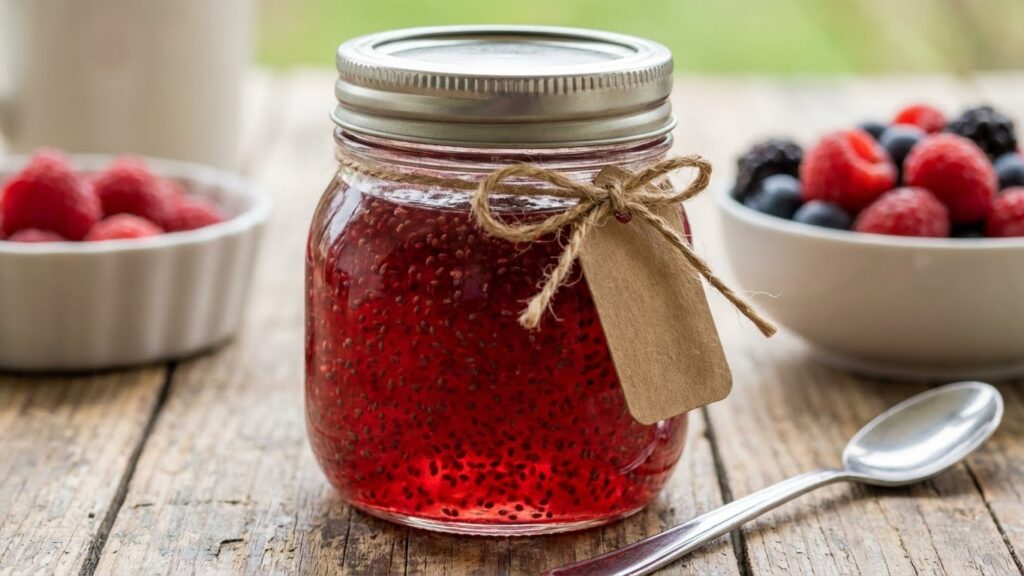
Chia seed jelly is widely considered good for you because it delivers several essential nutrients in a simple, low-effort form. Since chia seeds absorb liquid and form a gel, chia seed jelly helps slow digestion, which supports steady energy levels and longer-lasting fullness. As a result, many people use chia seed jelly as part of a balanced breakfast or a mid-day nutrition boost.
From a nutritional standpoint, chia seed jelly provides fiber, plant-based protein, omega-3 fatty acids, and key minerals like calcium and magnesium. Because it’s typically made without added sugar, chia seed jelly fits well into low-sugar, whole-food eating patterns. At the same time, its mild flavor makes it easy to include regularly without taste fatigue.
Another reason chia seed jelly is good for you is hydration support. Since the seeds hold many times their weight in liquid, chia seed jelly can help maintain fluid balance, especially when consumed in the morning or before physical activity. That hydration factor is one reason it’s often recommended in wellness and fitness communities.
Chia seed jelly benefits for digestion, energy, and skin
One of the most talked-about chia seed jelly benefits is digestive support. The soluble fiber in chia seeds feeds beneficial gut bacteria while helping regulate bowel movements. Because the gel texture is gentle, chia seed jelly is often easier to tolerate than dry seeds, especially for people sensitive to high-fiber foods.
In addition to digestion, chia seed jelly supports sustained energy. Instead of causing quick spikes and crashes, the combination of fiber, healthy fats, and protein promotes slow, steady fuel release. That’s why chia seed jelly is commonly used before workouts or during busy days when consistent energy matters.
Skin health is another overlooked benefit. Chia seeds contain antioxidants and omega-3 fatty acids, which help combat oxidative stress and support skin hydration. When consumed regularly, chia seed jelly may contribute to a healthier skin appearance by supporting the body from the inside out.
Because it’s easy to prepare, nutrient-dense, and adaptable, chia seed jelly works well as a daily habit rather than a short-term trend. Whether your focus is digestion, energy, or overall wellness, adding chia seed jelly to your routine can be a simple and effective step.
Chia Seed Jelly for Weight Loss and Metabolism
How chia seed jelly supports weight loss
Chia seed jelly is often used in weight-loss routines because it naturally promotes fullness without adding excessive calories. When chia seeds absorb liquid, they expand in the stomach, which helps you feel satisfied sooner and for a longer period of time. As a result, chia seed jelly can reduce unnecessary snacking and support better portion control throughout the day.
Another reason chia seed jelly supports weight loss is its high fiber content. Fiber slows digestion and stabilizes blood sugar levels, which helps prevent sudden hunger spikes. Because of that steady digestion, many people find it easier to stick to consistent eating habits when chia seed jelly is part of their routine.
In addition, chia seed jelly contains healthy fats and plant-based protein. These nutrients work together to support metabolism while preserving lean muscle mass during calorie control. Unlike restrictive foods that leave you feeling depleted, chia seed jelly offers nourishment while still aligning with weight-loss goals.
Best times to consume chia seed jelly for fat loss
Timing can play an important role when using chia seed jelly for weight loss. One of the most popular times to consume it is in the morning. Having chia seed jelly early in the day can help control appetite, improve digestion, and reduce cravings later on.
Another effective option is consuming chia seed jelly 20 to 30 minutes before meals. This allows the gel to expand and signal fullness, which may help you eat less without feeling restricted. Many people also use chia seed jelly as a light afternoon snack to prevent overeating at dinner.
For those who exercise, chia seed jelly can be taken before workouts to provide steady energy without heaviness. Since it digests slowly, it supports endurance rather than quick energy spikes. However, consistency matters more than timing. When used regularly, chia seed jelly supports long-term weight management rather than short-term results.
How to Make Chia Seed Jelly at Home
Easy chia seed jelly recipe (basic version)
Making chia seed jelly at home is quick, affordable, and requires no cooking. Because the process is so simple, this chia seed jelly recipe is ideal for beginners and works well for daily use.
Basic chia seed jelly recipe
- 1 tablespoon chia seeds
- 1 cup water
Add the chia seeds to the water, stir well, and let the mixture sit for 10 minutes. Stir again to prevent clumping, then refrigerate for at least 30 minutes. Once thickened, your chia seed jelly is ready to use.
This basic version is neutral in flavor, which makes it easy to combine with other foods. You can eat it by the spoonful, mix it into smoothies, or add it to oatmeal or yogurt. Since chia seed jelly keeps well in the fridge for up to five days, it’s also perfect for meal prep.
If you’re new to this habit, start with a small portion and increase gradually. That approach allows your digestive system to adjust to the added fiber while still enjoying the benefits of chia seed jelly.
Chia seed jelly with juice and flavor variations
While plain chia seed jelly is practical, many people prefer adding flavor. One of the most popular options is chia seed jelly with juice. Simply replace water with fruit or vegetable juice, such as apple, orange, or berry juice. This adds natural sweetness while keeping the recipe simple.
You can also enhance chia seed jelly with lemon juice, cinnamon, vanilla extract, or blended fruit. These variations allow you to customize taste without relying on refined sugar. Because chia seeds absorb flavor well, even small additions can make a noticeable difference.
For those focused on wellness or weight management, unsweetened juice or diluted juice works best. This keeps calories and sugar lower while still improving taste. No matter which version you choose, homemade chia seed jelly gives you full control over ingredients, texture, and nutrition.
Chia Seed Jam No Cook vs Traditional Jam
How to make chia seed jam without cooking
Chia seed jam no cook is one of the easiest ways to enjoy fruit spreads without added sugar or long preparation time. Unlike traditional jam, which requires heat and long simmering, chia seed jam relies on the natural gelling power of chia seeds. This makes it faster, fresher, and more nutrient-friendly.
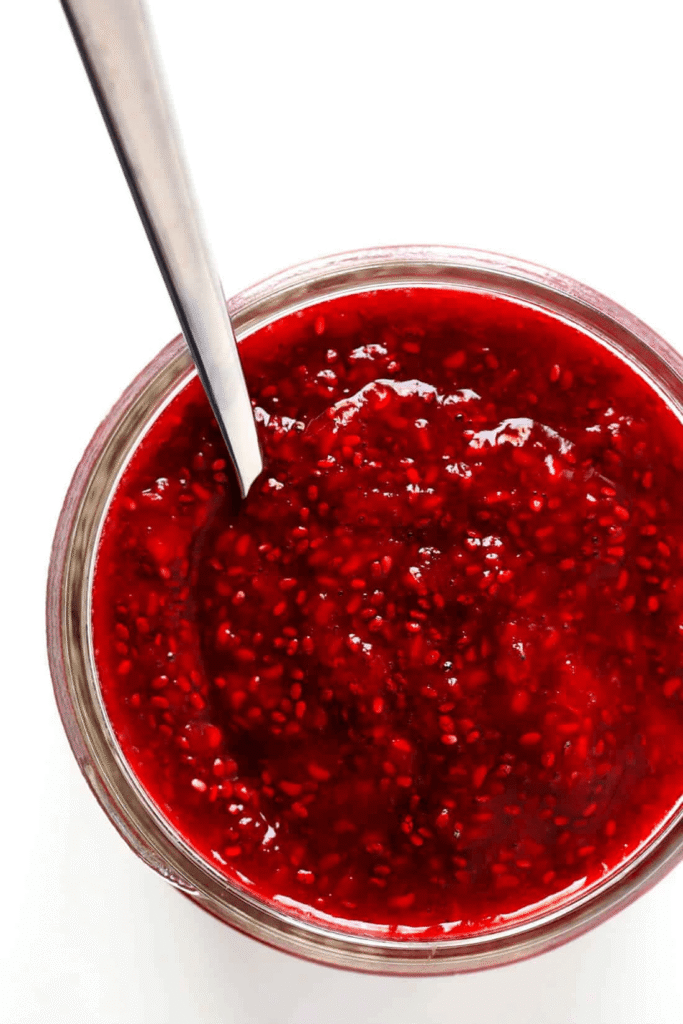
To make chia seed jam, you simply mash fresh or thawed frozen fruit, add chia seeds, and let the mixture rest. As the chia seeds absorb the fruit’s natural juices, the mixture thickens into a jam-like texture. This method preserves the fruit’s natural flavor while avoiding refined sugars and preservatives.
Because there’s no cooking involved, chia seed jam retains more vitamins and antioxidants than traditional jam. It also allows you to control sweetness by choosing ripe fruit or adding a small amount of natural sweetener if needed. For many people, this makes chia seed jam a healthier everyday option.
Taste, texture, and nutrition comparison
When comparing chia seed jam no cook to traditional jam, the differences are clear. Traditional jam tends to be very sweet, smooth, and dense due to sugar and long cooking times. Chia seed jam, on the other hand, has a lighter texture with visible fruit pieces and a mild crunch from the seeds.
Nutritionally, chia seed jam offers more fiber, healthy fats, and plant-based protein. It also has a lower glycemic impact, which helps maintain steady blood sugar levels. That makes it a better choice for those focused on weight management or balanced eating.
While traditional jam still has its place, chia seed jam fits better into modern, health-conscious lifestyles. It’s quick to prepare, easy to customize, and naturally aligned with whole-food nutrition principles.
Chia Seed Jelly in Korean and Asian Diet Trends
Chia seed jelly Korean wellness trends
Chia seed jelly has gained attention in Korean wellness culture due to its focus on balance, digestion, and hydration. In Korea, functional foods are often chosen not just for calories, but for how they support overall body harmony. Chia seed jelly fits well into this mindset because it’s light, filling, and easy to digest when prepared correctly.
Many Korean-style wellness routines include chia seed jelly as a morning or mid-day option, often mixed with water, light fruit juice, or herbal infusions. The emphasis is usually on moderation and consistency rather than large portions. Because chia seed jelly provides fiber and hydration at the same time, it’s commonly used to support gut comfort and appetite control.
This approach aligns with broader Asian diet trends that prioritize simple ingredients and minimal processing. As interest in global wellness practices grows, chia seed jelly Korean-style preparations continue to influence how people consume it worldwide.
Wakasho chia seed jelly and packaged jelly products
Alongside homemade versions, packaged chia seed jelly products have become more visible in Asian markets. Wakasho chia seed jelly is one example often mentioned in discussions about ready-to-eat options. These products are designed for convenience, offering pre-portioned servings that can be consumed on the go.
While packaged chia seed jelly can be practical, ingredient labels matter. Some versions include added sugars, flavorings, or stabilizers that reduce their nutritional value. For that reason, many health-focused consumers still prefer homemade chia seed jelly, where ingredients are fully controlled.
That said, chia seed jelly packets can be useful during travel or busy schedules. When chosen carefully, they can serve as a functional snack that aligns with modern wellness habits. The key is balancing convenience with ingredient quality to ensure you’re still getting the core benefits of chia seed jelly.
Safety, Side Effects, and Mixing Rules
What should not be mixed with chia seeds?
Chia seeds are generally safe, but how they’re prepared and mixed matters. The most important rule is to never consume dry chia seeds on their own. When eaten dry, chia seeds can absorb liquid after swallowing and expand, which may cause discomfort. That’s why chia seed jelly is considered the safest and most effective way to consume them.
When it comes to mixing, chia seeds don’t pair well with very thick or dry foods unless enough liquid is present. For example, adding dry chia seeds directly to nut butter or dense dough without hydration can make digestion harder. In contrast, mixing chia seed jelly with smoothies, yogurt, oatmeal, or water-based drinks is generally well tolerated.
People taking medications that affect blood pressure or blood sugar should also be mindful. Since chia seeds can influence both, it’s best to keep intake consistent rather than consuming large, irregular amounts.
Is there a downside to eating chia seeds?
Although chia seed jelly offers many benefits, moderation is still important. Eating too much at once can cause bloating, gas, or digestive discomfort, especially for those not used to high-fiber foods. That’s why starting with a small serving and increasing gradually is recommended.
Another potential downside is relying on chia seeds as a “miracle food.” While chia seed jelly supports digestion, fullness, and hydration, it doesn’t replace a balanced diet. It works best when combined with a variety of whole foods, including fruits, vegetables, proteins, and healthy fats.
For most people, chia seed jelly is safe and beneficial when prepared properly and eaten in reasonable portions. Paying attention to hydration, portion size, and overall diet balance helps ensure you enjoy the benefits without unwanted side effects.
Chia Seed Jelly Packets and Store-Bought Options
Are chia seed jelly packets healthy?
Chia seed jelly packets are designed for convenience, especially for people with busy schedules or frequent travel. These pre-portioned products offer an easy way to consume chia seed jelly without preparation. In theory, they can be a healthy option, but the actual value depends on the ingredients used.
Some chia seed jelly packets contain a simple combination of water, chia seeds, and natural flavoring. These versions stay close to homemade chia seed jelly and can provide fiber and hydration in a portable format. However, many commercial products include added sugars, syrups, or artificial flavorings to improve taste and shelf life.
Because of that, chia seed jelly packets should be viewed as an occasional convenience rather than a daily replacement for homemade versions. When chosen carefully, they can still support wellness goals, but ingredient quality makes a major difference.
How to read labels and avoid added sugars
Reading labels is essential when buying store-bought chia seed jelly. Start by checking the ingredient list. Ideally, chia seeds should appear near the top, along with water or juice. Short ingredient lists are usually a better sign of minimal processing.
Next, look at the sugar content. Some packets contain more sugar than expected, which can offset the benefits of chia seed jelly. Products sweetened with fruit juice concentrates or syrups should be consumed sparingly, especially for those focused on weight management or blood sugar control.
Finally, pay attention to portion size. Some packets are small but calorie-dense due to added ingredients. Comparing nutritional labels helps you choose options that align with your goals. When possible, homemade chia seed jelly remains the most reliable way to control nutrition, flavor, and quality.
FAQs About Chia Seed Jelly
How to make chia seed jam?
To make chia seed jam, start by mashing fresh or thawed fruit until mostly smooth. Add chia seeds, stir well, and let the mixture sit for 20–30 minutes. As the chia seeds absorb the fruit’s natural juices, the mixture thickens into a jam-like consistency. If needed, you can add a small amount of lemon juice or natural sweetener, but ripe fruit is often enough. This method requires no cooking and keeps the flavor fresh and vibrant.
Is chia seed jelly good for you?
Yes, chia seed jelly is good for you when consumed in moderation. It provides fiber, omega-3 fatty acids, plant-based protein, and hydration support. Because it slows digestion, it can help with appetite control and steady energy levels. It’s especially beneficial when used as part of a balanced diet rather than a standalone solution.
What should not be mixed with chia seeds?
Dry chia seeds should not be eaten on their own or mixed into very thick, low-moisture foods without liquid. They need enough fluid to hydrate properly. It’s also best to avoid combining chia seeds with excessive sweeteners or sugary syrups, as that reduces their health benefits.
Is there a downside to eating chia seeds?
The main downside is digestive discomfort if too much is consumed too quickly. Because chia seeds are high in fiber, large portions may cause bloating or gas, especially for beginners. Starting with small amounts and increasing gradually helps prevent issues.
How is chia seed jelly different from chia seed jam?
Chia seed jelly is usually made with water or juice and is often unsweetened, focusing on hydration and fiber. Chia seed jam includes fruit and is meant to be used as a spread. Both use chia seeds as a natural thickener, but their purpose and flavor profiles are different.
Can chia seed jelly be eaten every day?
Yes, many people consume chia seed jelly daily. The key is moderation and proper preparation. When balanced with other whole foods, chia seed jelly can be a simple daily habit that supports digestion, hydration, and overall wellness.
Conclusion
Chia seed jelly stands out as a simple, natural, and highly versatile addition to a healthy diet. Thanks to its fiber content, omega-3 fatty acids, and essential nutrients, it supports digestion, hydration, and appetite control without requiring complicated preparation. Whether your goal is overall wellness, weight management, or finding a healthier alternative to processed jelly and jam, chia seed jelly fits easily into daily routines.
One of its biggest strengths is flexibility. It can be enjoyed plain, mixed with juice, turned into a no-cook chia seed jam, or used as a base for quick and nutritious recipes. When prepared properly and consumed in moderation, chia seed jelly becomes a sustainable habit rather than a short-lived trend.
By focusing on simple ingredients and consistent use, chia seed jelly can help support a more balanced and mindful approach to eating while remaining practical and easy to maintain long term.