
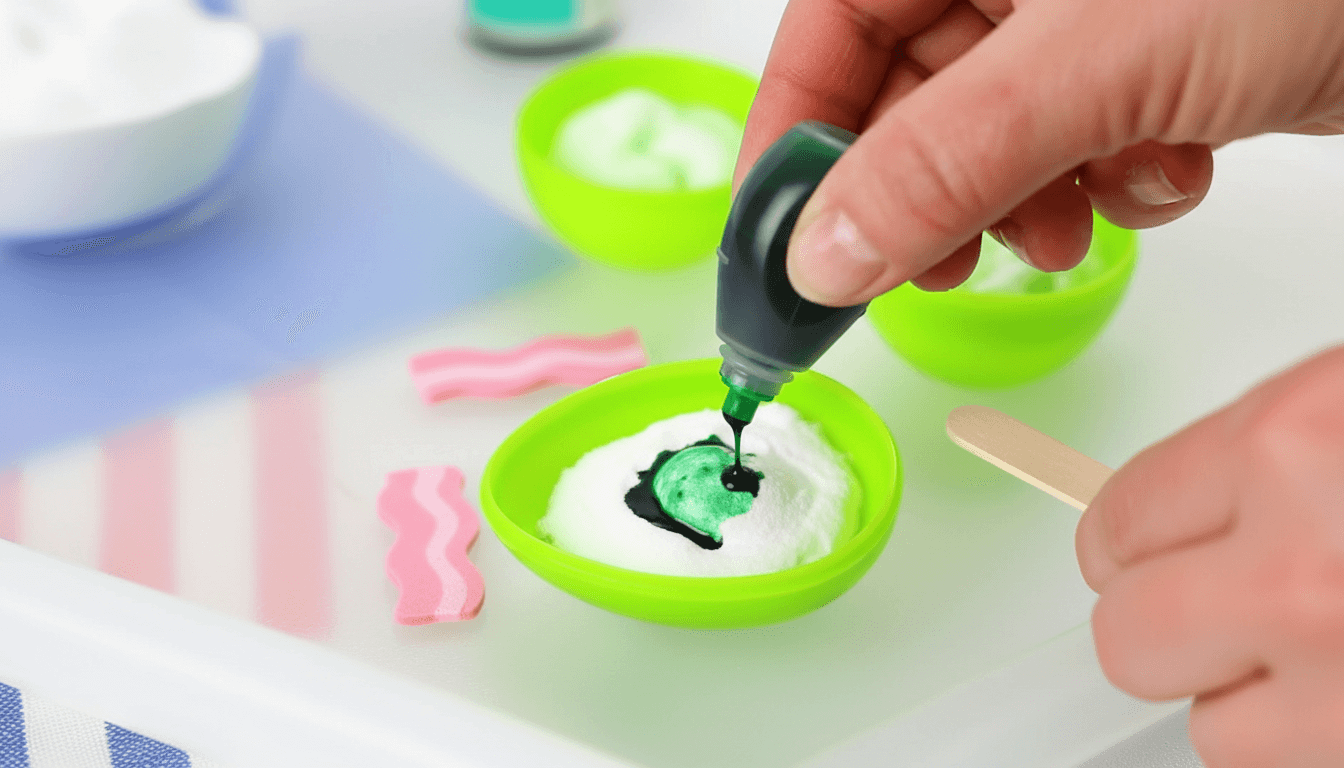
A green eggs and ham craft is one of the easiest and most engaging ways to turn storytime into a hands-on learning adventure. Whether you’re celebrating Read Across America Week, planning a preschool literacy activity, or simply looking for a creative afternoon project, this playful craft instantly captures kids’ attention.
Because the Green Eggs and Ham story is full of repetition, humor, and imagination, it naturally inspires creativity. When children create their own green eggs and ham craft, they’re not just listening to the story — they’re interacting with it. As a result, comprehension improves, engagement increases, and learning becomes memorable.
Even better, this activity is flexible. You can keep it simple with paper plates and construction paper, or you can expand it with paint, sensory elements, and themed food fun. For example, if you’d like to pair your craft time with another creative project, you can find more easy kids craft ideas that work beautifully alongside literacy activities.
In this complete guide, you’ll discover step-by-step instructions, printable options, preschool-friendly adaptations, classroom tips, and even science experiment extensions. By the end, you’ll have everything you need to confidently plan a green eggs and ham craft that’s simple to prepare, budget-friendly, and packed with educational value.
Why a Green Eggs and Ham Craft Is Perfect for Kids
A green eggs and ham craft isn’t just adorable—it’s meaningful, skill-building, and incredibly easy to implement. First of all, it connects directly to a story most children already love. Because the book uses predictable patterns and playful language, kids feel confident and excited before the craft even begins.
As soon as you introduce the activity, engagement naturally increases. Instead of passively listening, children actively participate. They cut out egg shapes, glue paper “ham,” and paint bright green yolks. Meanwhile, they’re strengthening fine motor skills without even realizing it.
Additionally, a green eggs and ham craft supports structured learning. Since most versions involve step-by-step assembly, kids practice sequencing and following directions. At the same time, they develop hand-eye coordination and scissor control.
Another major benefit is flexibility. For example:
- Use paper plates for a simple preschool version
- Offer printable templates for quick prep
- Let older kids design their own creative variations
- Turn it into a mixed-media art project
Because supplies are inexpensive—construction paper, glue, paint, markers—this project works well for classrooms, homeschool environments, or even birthday parties.
Moreover, it fits perfectly into themed learning weeks. During Read Across America celebrations or Dr. Seuss-inspired days, teachers often look for easy literacy extensions. A green eggs and ham craft checks every box: it’s recognizable, fun, and tied directly to reading.
If you’re planning a themed day, you can even extend the concept into food activities by browsing fun egg recipes for kids that align with your craft theme.
Green Eggs and Ham Book Inspiration and Learning Benefits
The power of a green eggs and ham craft comes from its connection to storytelling. The original story teaches persistence, curiosity, and openness to trying new things. Therefore, when children create their own version of green eggs and ham, they’re reinforcing those lessons visually and physically.
After reading the story aloud, you can guide a simple discussion:
- Why didn’t the character want to try the green eggs and ham at first?
- What changed his mind?
- Have you ever tried something new and ended up liking it?
Because the craft immediately follows the reading, comprehension improves. Kids retell the story while assembling their paper eggs and ham pieces. As a result, they practice recall and sequencing in a natural way.
Furthermore, repetition in the story supports early readers. Since the phrases repeat, children quickly memorize lines. Then, while working on their green eggs and ham craft, they often repeat those lines aloud. This strengthens reading confidence and fluency.
In addition, the activity supports multiple learning styles. Visual learners connect images to text. Kinesthetic learners benefit from hands-on construction. Auditory learners reinforce comprehension through discussion. Consequently, this single craft supports well-rounded development.
You can even expand learning into color discovery. For instance, mixing yellow and blue paint to create green introduces a simple science concept. If you’d like to browse more themed options, there are also creative green food ideas that can turn your lesson into a full sensory experience.
Because the activity is adaptable, you can keep it basic for toddlers or make it more detailed for older students. And as we move forward, you’ll see how to use templates, printables, and even science experiments to upgrade your green eggs and ham craft into a complete educational experience.
Green Eggs and Ham Craft Preschool Ideas
A green eggs and ham craft works especially well for preschoolers because it’s simple, colorful, and hands-on. At this age, children thrive on repetition and visual learning. Since the story itself repeats key phrases, it naturally supports early literacy development. When you combine that with crafting, learning becomes even more powerful.
To begin with, keep materials basic. Preschool-friendly supplies might include:
- Paper plates (for the “plate”)
- White construction paper (for egg whites)
- Green paint or markers (for yolks)
- Pink paper (for ham slices)
- Child-safe scissors
- Glue sticks
Because young children are still developing fine motor control, pre-cutting some shapes can make the activity smoother. However, if you want to build cutting skills, allow them to practice cutting simple oval shapes for the eggs.
Additionally, you can turn this green eggs and ham craft into a sensory experience. For example, sponge painting creates texture. Cotton balls can be used for dabbing green paint. Even finger painting works well, especially for younger preschoolers.
At the same time, encourage storytelling. While children glue their pieces together, ask them to retell parts of the story. Since preschoolers love repetition, they’ll often chant familiar lines as they work. As a result, comprehension improves naturally.
If you’d like to extend the creativity beyond paper crafts, you can also browse creative food decorating ideas to inspire imaginative presentations during themed days.
Simple Green Eggs and Ham Craft Template Options
Using a green eggs and ham craft template makes preparation quick and stress-free, especially in classrooms. Templates make sure consistent shapes and save valuable planning time.
There are typically three common template styles:
| Template Type | Best For | Skill Level |
|---|---|---|
| Pre-colored printable | Quick classroom prep | Beginner |
| Black-and-white printable | Coloring practice | Beginner–Intermediate |
| Cut-and-assemble pieces | Fine motor development | Intermediate |
First, pre-colored templates are ideal when time is limited. Students simply cut and glue pieces together. Because less coloring is required, younger kids stay focused longer.
Second, black-and-white templates allow children to personalize their green eggs and ham craft. They can choose different shades of green, experiment with patterns, or even add backgrounds.
Third, cut-and-assemble versions challenge older preschoolers or kindergarten students. Since they must assemble multiple parts, sequencing skills improve.
Moreover, printable templates help maintain structure during group activities. When every student follows similar steps, classroom management becomes easier. At the same time, creativity still shines through individual color choices and decorative details.
If you prefer hands-on texture projects, you can also combine printable elements with salt dough or modeling materials. For example, shaping raised egg yolks adds a 3D effect and increases sensory engagement.
Because templates simplify planning, they’re perfect for busy teachers and parents. And in the next section, we’ll browse how to use a green eggs and ham craft printable effectively, along with where to find a complete green eggs and ham activities PDF for classroom use.
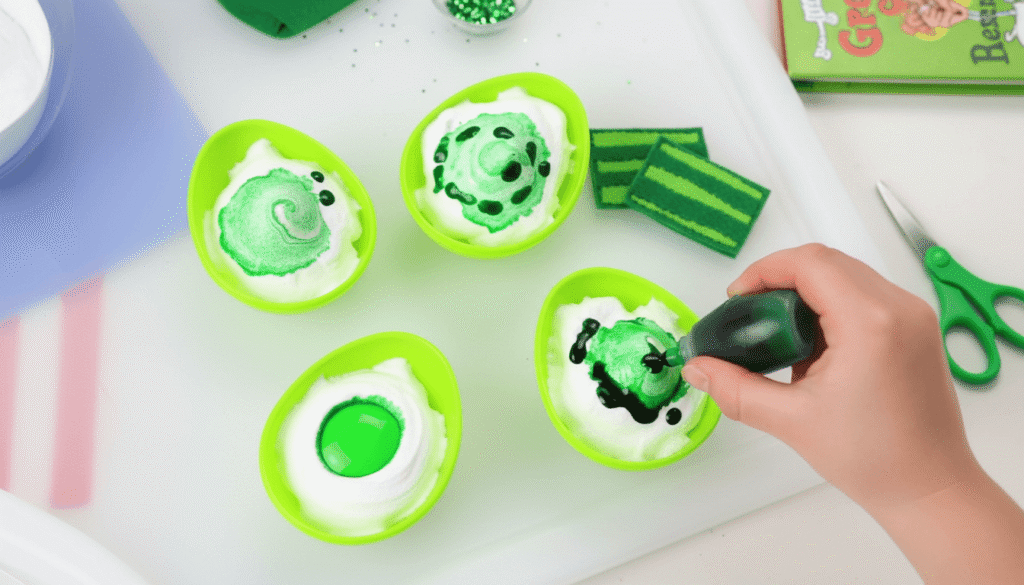
How to Use a Green Eggs and Ham Craft Printable
A green eggs and ham craft printable can save you hours of prep time while still delivering a fun, hands-on experience. Instead of tracing shapes manually or cutting out dozens of egg templates, you simply print, distribute, and guide students step by step.
First, decide how you want to structure the activity. For example, you can:
- Pre-cut the pieces for younger preschoolers
- Let students color before cutting
- Assign cutting and assembly as independent practice
- Turn it into a guided small-group station
Because printables provide consistent shapes, they help children focus on skill-building rather than drawing accuracy. As a result, students spend more time practicing scissor skills, glue control, and spatial arrangement.
Additionally, you can differentiate instruction easily. For younger children, provide fewer pieces. For older students, include extra elements like utensils, backgrounds, or speech bubbles. This way, the green eggs and ham craft grows with the child’s ability level.
Another smart strategy is to pair the printable with writing practice. After completing the craft, students can finish a sentence such as:
“I would try green eggs and ham because ______.”
Or:
“I would not try green eggs and ham because ______.”
Since the story centers around trying new things, this extension builds both literacy and critical thinking skills.
If you want to expand the lesson into edible fun, you might also browse naturally green recipe ideas that connect to your theme while keeping things creative and engaging.
Where to Find a Green Eggs and Ham Activities PDF
A well-designed green eggs and ham activities PDF often includes more than just a craft template. In fact, many classroom-ready packets combine literacy, math, and science extensions into one organized resource.
Typically, a complete activities PDF may include:
- Craft templates
- Story sequencing cards
- Coloring pages
- Writing prompts
- Counting worksheets
- Simple science experiment guides
Because everything is bundled together, teachers can plan an entire themed day or week without scrambling for separate materials. Moreover, having a structured PDF reduces last-minute preparation stress.
When selecting a green eggs and ham activities PDF, look for:
- Age-appropriate cutting lines
- Clear, bold outlines for coloring
- Simple instructions
- Bonus educational pages
Furthermore, these PDFs work beautifully in homeschool settings. Parents can easily print pages as needed, adjust pacing, and even reuse materials with siblings.
You can also organize a literacy station rotation system. For example:
Station 1: Reading corner
Station 2: Green eggs and ham craft
Station 3: Writing prompt activity
Station 4: Simple green color-mixing experiment
Because each station reinforces the same theme, students stay immersed in the learning experience.
Now that you know how to use templates and printable resources effectively, the next section will walk you through a complete step-by-step green eggs and ham craft tutorial, including materials and assembly tips for a smooth classroom or at-home experience.
Step-by-Step Green Eggs and Ham Craft Tutorial
Now that you’ve browsed templates and printables, let’s walk through a complete green eggs and ham craft tutorial you can use in classrooms, homeschool settings, or at home. This version is simple, affordable, and adaptable for multiple age groups.
Step 1: Prepare the Plate Base
First, give each child a paper plate to serve as the base. If you prefer a flat surface, you can also use a sheet of light blue or pastel construction paper to represent a table setting. Because presentation matters, allowing kids to decorate the “plate” adds creativity right from the start.
Step 2: Create the Egg Whites
Next, cut two large oval shapes from white construction paper. These represent the egg whites. For preschoolers, pre-cut the shapes. However, for kindergarten students, let them trace and cut their own ovals to strengthen fine motor skills.
Step 3: Add the Green Yolks
Now comes the fun part. Using green paint, markers, or crayons, create two circular “yolks” in the center of each white oval. If you want to add a learning twist, mix blue and yellow paint together so children can see how green forms. As a result, your green eggs and ham craft doubles as a mini science lesson.
Step 4: Make the Ham
Cut a pink oval or wavy-edged shape to represent the ham. Older kids can add texture lines with a darker pink marker. Meanwhile, younger children can glue a simple oval shape beside the eggs.
Step 5: Assemble the Craft
Finally, glue the eggs and ham onto the plate. Encourage students to arrange the pieces before gluing so they can practice spatial awareness. Once everything is attached, allow time for decorating backgrounds, adding utensils, or even drawing a character reaction.
At this stage, you can integrate writing by asking students to complete a sentence below their green eggs and ham craft:
“I would try it!” or “I would not try it!”
Because students personalize their responses, the craft becomes both creative and reflective.
If you’re planning a themed food day alongside your craft session, you might also enjoy browsing green food ideas to create a fully immersive experience.
Materials Needed for the Best Green Eggs and Ham Craft
To keep things organized, here’s a helpful supply table you can reference before starting your green eggs and ham craft:
| Material | Purpose | Optional Upgrade |
|---|---|---|
| Paper plates | Base for craft | Colored cardstock backing |
| White construction paper | Egg whites | Printable template |
| Green paint/markers | Egg yolks | Mix-your-own green paint |
| Pink construction paper | Ham slice | Add glitter or texture |
| Glue sticks | Assembly | Craft glue for durability |
| Child-safe scissors | Cutting shapes | Pre-cut shapes for younger kids |
Because preparation is key, gather all materials in advance. Additionally, separate supplies into bins for easier classroom management.
If you’re working with large groups, pre-assembling supply kits can save time. For example, place each child’s egg shapes and ham pieces in labeled envelopes. This way, transitions stay smooth and organized.
Moreover, remember that creativity matters more than perfection. Some children may create neon green eggs, while others may choose pastel shades. Since the goal is engagement and literacy reinforcement, allow room for imaginative expression.
In the next section, we’ll browse how to transform this activity into a green eggs and ham science experiment, adding a STEM component that makes your green eggs and ham craft even more educational.
Creative Green Eggs and Ham Science Experiment Add-Ons
If you want to take your green eggs and ham craft to the next level, adding a simple science component is a smart move. Not only does it keep kids curious, but it also transforms a literacy activity into a mini STEM lesson.
One of the easiest ways to do this is through color mixing. Before children create their green yolks, give them small amounts of yellow and blue paint. Then, ask them to predict what will happen when the two colors combine. As they mix, they’ll quickly discover that yellow and blue create green.
Because this experiment is hands-on, it reinforces learning through observation. Additionally, it builds early scientific thinking skills like predicting, testing, and recording results. You can even create a simple chart:
| Color 1 | Color 2 | Result |
|---|---|---|
| Yellow | Blue | Green |
Afterward, students use their newly mixed green paint in their green eggs and ham craft. As a result, the project becomes both artistic and scientific.
Another easy experiment involves food coloring and water. Fill a clear cup with water and add drops of green food coloring. Then, let children observe how the color spreads. This simple demonstration teaches diffusion in an age-appropriate way.
Moreover, you can connect the experiment to the story theme of “trying something new.” Ask students:
- Would you try green eggs in real life?
- Why or why not?
- What new food have you tried recently?
Since curiosity drives both science and storytelling, combining the two strengthens engagement.
If you’re planning an extended themed lesson, you can also browse creative food decorating ideas to inspire imaginative presentations that align with your craft activity.
Browsing Colors with a Green Eggs and Ham Science Experiment
Beyond basic color mixing, you can expand your green eggs and ham science experiment into more advanced discovery for older students.
For example, discuss primary and secondary colors. Explain that yellow and blue are primary colors, and green is a secondary color formed by mixing them. Then, allow students to experiment with different ratios:
- More yellow = lighter green
- More blue = darker green
Because students control the mixture, they see how small adjustments change outcomes. This encourages experimentation and critical thinking.
You can also introduce texture science. Try mixing paint with small amounts of flour or salt to create thicker consistency. As children paint their green yolks, they’ll notice the difference in texture. Consequently, they browse both visual and tactile learning.
Additionally, for a quick observation lesson, compare raw spinach leaves to green paint. Ask students what makes natural foods green. While keeping explanations simple, you can briefly introduce the concept of chlorophyll.
If you’d like to extend the activity into edible discovery (while keeping it classroom-safe), consider looking into naturally green recipe ideas that highlight real foods with vibrant green color.
By integrating science into your green eggs and ham craft, you’re doing more than creating art. You’re building curiosity, encouraging experimentation, and helping children see how reading, art, and science connect.
Next, we’ll dive into the educational benefits of a green eggs and ham craft, including literacy development, fine motor growth, and cross-curricular learning connections.
Educational Benefits of a Green Eggs and Ham Craft
A green eggs and ham craft may look simple on the surface, yet it supports multiple areas of early childhood development. Because it combines reading, art, discussion, and sometimes science, it becomes a cross-curricular learning experience rather than just a fun activity.
First and foremost, literacy skills improve. After reading the story aloud, children naturally begin to repeat phrases while working on their craft. Since repetition strengthens memory, students become more confident in recognizing sight words and patterns. As a result, early readers gain fluency without feeling pressured.
Additionally, comprehension deepens. When you ask students to retell parts of the story while assembling their green eggs and ham craft, they practice sequencing events. For example, they can explain how the character refused the food at first but later decided to try it. Because they connect the story to a hands-on project, retention increases.
Moreover, vocabulary development expands. Words like “try,” “like,” “green,” and “anywhere” become part of active conversation. Even reluctant speakers often participate because the craft provides a visual anchor for discussion.
Beyond literacy, fine motor development plays a major role. Cutting egg shapes, applying glue, and coloring within lines all strengthen hand muscles. Consequently, children build the foundational skills needed for handwriting.
Furthermore, the green eggs and ham craft encourages creativity. Since each child chooses shades of green, background designs, and additional decorations, self-expression becomes part of the learning process.
If you’re looking to extend learning beyond paper crafts, you can also browse easy kids craft ideas that pair well with story-based activities and encourage hands-on creativity.
Literacy, Fine Motor Skills, and STEM Connections
One of the biggest strengths of a green eggs and ham craft is how naturally it connects to multiple subjects. Rather than teaching reading, art, and science separately, you blend them into one cohesive lesson.
For literacy integration, consider adding:
- Story sequencing cards
- Character discussion prompts
- “Would you try it?” opinion writing
- Rhyming word identification
Because the book uses rhythm and rhyme, children quickly identify patterns. Therefore, you can introduce simple phonics discussions while the craft dries.
For fine motor skill reinforcement, encourage students to:
- Trace egg shapes before cutting
- Use hole punches to create decorative borders
- Add small details with markers
These small movements may seem simple, yet they significantly improve hand strength and coordination.
Now, let’s talk STEM connections. Earlier, we browsed color mixing as part of a green eggs and ham science experiment. However, you can go even further. For instance, introduce measurement when mixing paint ratios. Alternatively, discuss how real eggs change when cooked, keeping explanations age-appropriate and non-technical.
You can even compare fictional green eggs to real food options by browsing fun egg recipes for kids that bring the theme into the kitchen in a playful way.
Because interdisciplinary learning improves retention, combining subjects strengthens understanding. Instead of isolating reading time from craft time, you create a smooth educational experience.
In the next section, we’ll browse green eggs and ham craft variations for toddlers, preschoolers, and elementary students so you can easily adapt the activity to different age groups.
Green Eggs and Ham Craft Variations for Different Ages
One of the best things about a green eggs and ham craft is how easily it adapts to different age groups. Because children develop skills at different stages, small adjustments make the activity appropriate for toddlers, preschoolers, and elementary students alike.
Instead of using a one-size-fits-all approach, consider modifying complexity, independence level, and educational extensions. That way, every child stays engaged and challenged at the right level.
Toddler Green Eggs and Ham Craft Ideas
For toddlers, simplicity is key. At this stage, the goal isn’t perfect cutting or detailed assembly. Instead, focus on sensory discovery and basic participation.
Try these toddler-friendly adjustments:
- Use pre-cut egg and ham shapes
- Offer large glue sticks for easier grip
- Allow finger painting for green yolks
- Keep instructions short and clear
Because toddlers benefit from repetition, read a short portion of the story before starting. Then, as they dab green paint onto the “yolk,” repeat phrases from the book. As a result, language development and sensory play happen simultaneously.
Additionally, limit the number of pieces. A single egg and one ham slice are usually enough. Since attention spans are shorter at this age, quick completion leads to a more positive experience.
Preschool Green Eggs and Ham Craft Ideas
For preschoolers, you can increase independence slightly. A preschool-level green eggs and ham craft preschool version may include:
- Tracing oval shapes
- Practicing safe scissor cutting
- Mixing blue and yellow paint
- Adding simple background details
Because preschoolers are refining fine motor skills, allow them to cut their own egg whites with guidance. Furthermore, encourage them to describe what they’re creating. For example:
“My eggs are bright green!”
“I put my ham next to the eggs.”
These simple verbal descriptions strengthen vocabulary and confidence.
Elementary Green Eggs and Ham Craft Ideas
For older elementary students, you can make the green eggs and ham craft more detailed and analytical. At this level, creativity and literacy extensions take center stage.
Consider these ideas:
- Add a written opinion paragraph
- Create a comic-style retelling
- Design a restaurant menu featuring green eggs and ham
- Compare fictional green eggs to real-world green foods
Because elementary students can think more critically, ask deeper questions:
- Why does the character resist trying new things?
- What lesson does the story teach?
- How does repetition help the message stand out?
You can even incorporate themed food discussions by browsing green food ideas and comparing fictional meals to real recipes.
By adjusting expectations and complexity, your green eggs and ham craft becomes a versatile activity suitable for multiple grade levels.
Toddler, Preschool, and Elementary Green Eggs and Ham Craft Ideas in Action
To make planning easier, here’s a quick comparison table:
| Age Group | Skill Focus | Craft Complexity | Extension Activity |
|---|---|---|---|
| Toddlers | Sensory play | Pre-cut shapes | Color naming |
| Preschool | Fine motor skills | Simple cutting & gluing | Story retelling |
| Elementary | Literacy & analysis | Detailed assembly | Writing & science tie-in |
Because flexibility matters in both classrooms and homes, this adaptable structure makes sure every child benefits.
Up next, we’ll browse how to pair your green eggs and ham craft with themed snacks and creative food extensions to make your lesson even more immersive and memorable.
Pairing Your Green Eggs and Ham Craft with Themed Snacks
After completing a green eggs and ham craft, many teachers and parents like to extend the fun into snack time. Because kids already feel curious about the idea of green eggs, adding a themed food element makes the experience even more memorable.
Of course, you don’t need to serve anything unusual. Instead, you can keep it simple, colorful, and kid-friendly. For example, you might:
- Add a few drops of green food coloring to scrambled eggs
- Serve spinach wraps labeled “green ham rolls”
- Offer green fruit like grapes or kiwi
- Create a snack station called “Try It Table”
Since the story focuses on trying new things, snack time becomes the perfect opportunity to reinforce that message. Before tasting, ask students whether they think they’ll like the food. Then, after tasting, invite them to reflect. As a result, the activity connects directly back to the theme of openness and curiosity.
If you’d like to browse themed recipe inspiration, you can discover fun fun egg recipes for kids that align perfectly with your green eggs and ham craft lesson.
Additionally, creative presentation makes all the difference. Using cookie cutters to shape food or arranging snacks in playful ways increases excitement. For more visual inspiration, you might enjoy browsing creative food decorating ideas that can upgrade your themed day.
Because food activities should always be safe and age-appropriate, check for allergies beforehand and keep ingredients simple.
Fun Egg Recipes and Naturally Green Recipe Ideas
Beyond snack time, you can turn your green eggs and ham craft into a mini cooking lesson. While keeping things simple, involve children in safe preparation steps like stirring, sprinkling, or arranging ingredients.
For example, naturally green foods such as:
- Spinach
- Avocado
- Broccoli
- Green peppers
can be introduced as “real-life green foods.” This helps children understand that green foods aren’t as unusual as they may first seem.
Furthermore, you can discuss how foods get their color. Earlier, we browsed paint mixing in a green eggs and ham science experiment. Now, you can explain that plants are green because of natural pigments. Even a basic explanation builds curiosity.
If you’re looking for subtle ways to highlight naturally green flavors, you can browse naturally green recipe ideas that showcase vibrant ingredients in creative ways.
Because multisensory learning improves retention, combining crafting, reading, science, and food creates a powerful educational experience. Instead of separating art time from snack time, you build one cohesive theme.
Next, we’ll wrap up with printable classroom resources, organization tips, and frequently asked questions about planning the perfect green eggs and ham craft activity.
Printable Resources and Classroom-Friendly Green Eggs and Ham Activities
When planning a full lesson around a green eggs and ham craft, organization makes all the difference. While the craft itself is simple, adding structured printable resources makes sure the activity feels cohesive and educational.
First, consider preparing a complete green eggs and ham activities PDF that includes:
- Craft templates
- Story sequencing cards
- Writing prompts
- Simple color-mixing experiment instructions
- Opinion worksheets (“Would you try it?”)
Because everything is printed and ready to go, transitions move smoothly. Additionally, students stay focused since they’re working within a consistent theme.
You can also create a classroom display area. For example, label a bulletin board “Would You Try It?” Then, display each child’s green eggs and ham craft alongside their written response. As a result, students feel proud of their work while reinforcing literacy skills.
Moreover, organizing stations helps maintain structure. A sample rotation might look like this:
Station 1: Read-aloud corner
Station 2: Green eggs and ham craft assembly
Station 3: Writing extension
Station 4: Green eggs and ham science experiment
Because each station supports the same story theme, the learning experience feels intentional and immersive rather than scattered.
How to Organize a Green Eggs and Ham Craft Day at Home or School
Whether you’re teaching in a classroom or planning a homeschool lesson, a green eggs and ham craft day can be simple to execute with a clear plan.
Here’s a simplified approach:
- Start with a read-aloud session.
- Lead a short discussion about trying new things.
- Complete the green eggs and ham craft.
- Add a science color-mixing demonstration.
- Finish with a writing reflection or themed snack.
Because the sequence flows naturally, children remain engaged from start to finish. Furthermore, mixing quiet listening time with active crafting prevents restlessness.
If you’d like to expand your themed day with even more hands-on creativity, don’t miss our collection of easy kids craft ideas that pair beautifully with literacy-based activities.
By combining storytelling, art, science, and food discovery, your green eggs and ham craft becomes more than a simple project. It turns into a meaningful learning experience that encourages creativity, curiosity, and confidence.
FAQs
What is the best green eggs and ham craft template?
The best green eggs and ham craft template depends on the child’s age. Preschoolers benefit from large, simple shapes with bold outlines. Older students may prefer detailed cut-and-assemble templates that allow for customization.
Where can I find a green eggs and ham craft printable?
You can find a green eggs and ham craft printable in themed classroom resource bundles, teacher marketplaces, or literacy activity collections. Look for versions that include both coloring and cutting options.
Is there a green eggs and ham activities PDF for classrooms?
Yes, many educators create green eggs and ham activities PDF packets that include crafts, writing prompts, sequencing cards, and science extensions. These are ideal for full lesson planning.
What is a simple green eggs and ham craft preschool kids can make?
A simple preschool version uses a paper plate, two white oval shapes, and green paint for yolks. Pre-cut shapes make the activity easier and more enjoyable for younger children.
How do you use the green eggs and ham book for crafts?
After reading the story aloud, guide students in retelling key events while assembling their green eggs and ham craft. This strengthens comprehension and sequencing skills.
Can you turn this into a green eggs and ham science experiment?
Absolutely. Mixing yellow and blue paint to create green is a simple and effective green eggs and ham science experiment. It introduces basic color theory while reinforcing the craft theme.
Conclusion
A green eggs and ham craft is far more than a seasonal classroom project. When thoughtfully planned, it becomes a powerful tool for literacy development, fine motor growth, and even early STEM learning.
Because it’s adaptable for toddlers, preschoolers, and elementary students, this activity works in nearly any educational setting. Furthermore, by incorporating science experiments, writing prompts, and themed snacks, you create a complete learning experience that children will remember long after the lesson ends.
If you’re looking to continue the creativity beyond this activity, check out our collection of fun egg recipes for kids to keep the theme going in a delicious and engaging way.
With just a few simple supplies and a little imagination, your green eggs and ham craft can inspire curiosity, creativity, and confidence in every young learner.
Print
Green Eggs and Ham Craft: Fun & Easy Dr. Seuss Activity for Kids
- Total Time: 10 minutes
- Yield: 1 craft per child
Description
A fun and easy green eggs and ham craft that turns storytime into a hands-on learning adventure for kids. Perfect for preschool, classrooms, and themed literacy activities.
Ingredients
- Paper plates
- White construction paper
- Green paint or green markers
- Pink construction paper
- Glue sticks
- Child-safe scissors
- Blue and yellow paint (for color mixing experiment)
- Printable craft template (optional)
Instructions
- Read the Green Eggs and Ham story aloud.
- Give each child a paper plate for the craft base.
- Cut two large oval shapes from white construction paper for egg whites.
- Mix blue and yellow paint to create green.
- Paint or color green yolks in the center of each egg white.
- Cut a pink oval shape to represent the ham.
- Glue the eggs and ham onto the paper plate.
- Allow children to decorate the background if desired.
- Encourage students to retell the story while crafting.
- Optional: Add a writing prompt about trying new things.
Notes
Pre-cut shapes for younger children to simplify the activity. Use this craft to reinforce literacy, color mixing, and fine motor skills.
- Prep Time: 10 minutes
- Cook Time: 0 minutes
- Category: Kids Activity
- Method: Crafting
- Cuisine: Educational
Nutrition
- Serving Size: 1 craft
- Calories: 0
- Sugar: 0g
- Sodium: 0mg
- Fat: 0g
- Saturated Fat: 0g
- Unsaturated Fat: 0g
- Trans Fat: 0g
- Carbohydrates: 0g
- Fiber: 0g
- Protein: 0g
- Cholesterol: 0mg
Keywords: green eggs and ham craft, preschool craft, Dr Seuss activity, literacy craft, kids craft