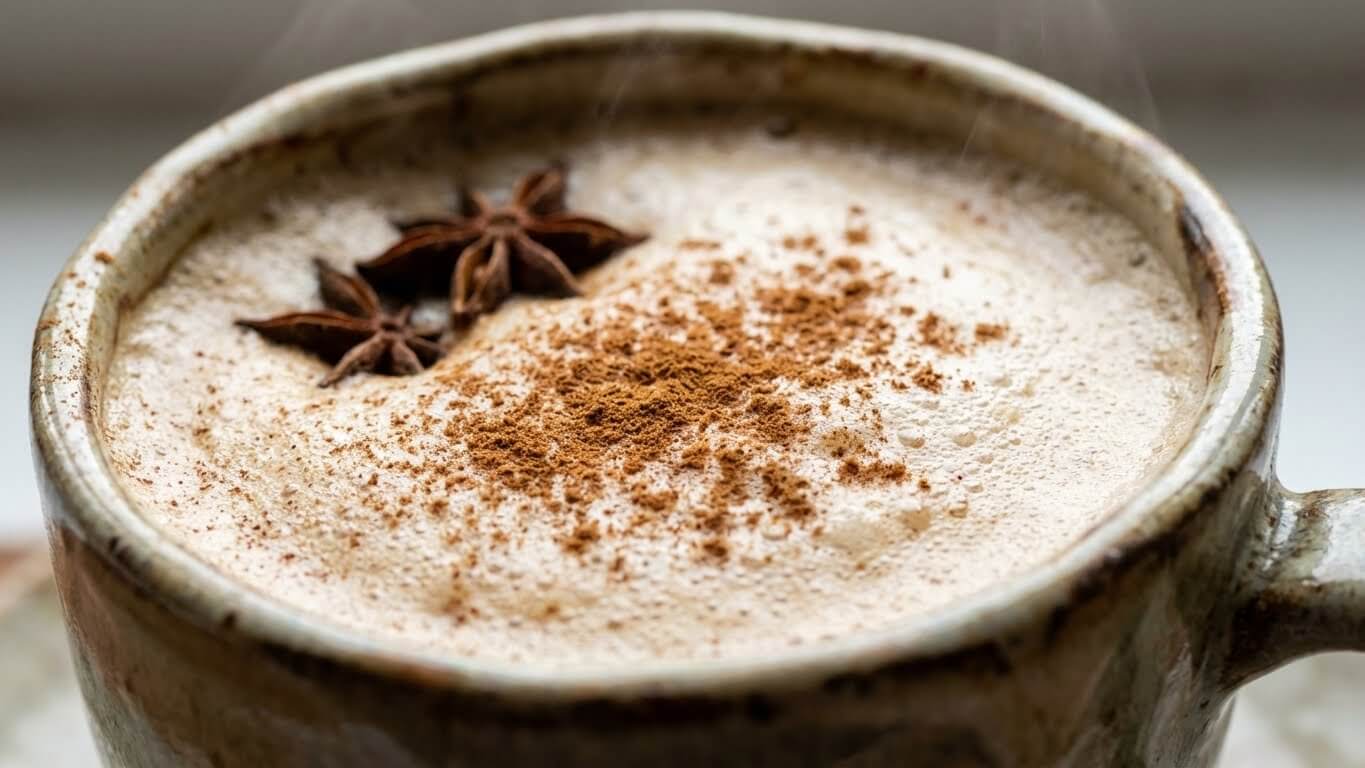
A chai tea latte is one of the most popular café drinks in the U.S., especially for people who want something warm, spiced, and comforting without the intensity of coffee. Made from black tea, aromatic spices, milk, and gentle sweetness, the chai tea latte sits right between a traditional tea and a creamy latte. In this article, you’ll learn exactly what a chai tea latte is, how it differs from regular chai tea, and why it’s such a favorite at Starbucks and other coffee shops. You’ll also discover whether a chai tea latte is healthier than coffee, how much caffeine it really has, and how to make both hot and iced chai tea latte recipes at home with Starbucks-style flavor. A chai tea latte is loved for its creamy texture and warm spices, much like other milk-based tea drinks such as royal milk tea, which is known for its smooth body and comforting flavor.
What Is a Chai Tea Latte and Why It’s So Popular
A chai tea latte is a smooth, spiced drink that blends brewed black tea, warming spices, milk, and a light touch of sweetness. Because it offers comfort without the intensity of espresso, it has become one of the most loved café drinks in the U.S. Over the years, the chai tea latte has moved from specialty coffee shops into homes, grocery stores, and even single-serve machines. As a result, it’s now seen as both an everyday drink and a cozy treat.
At its core, the chai tea latte delivers balance. The spices bring warmth, the milk adds creaminess, and the tea provides structure and gentle caffeine. Because of this balance, it appeals to people who enjoy flavorful drinks but don’t always want coffee. At the same time, brands like Starbucks helped boost its popularity by making the chai tea latte customizable, available hot or iced, and consistent in flavor.
What exactly is a chai tea latte?
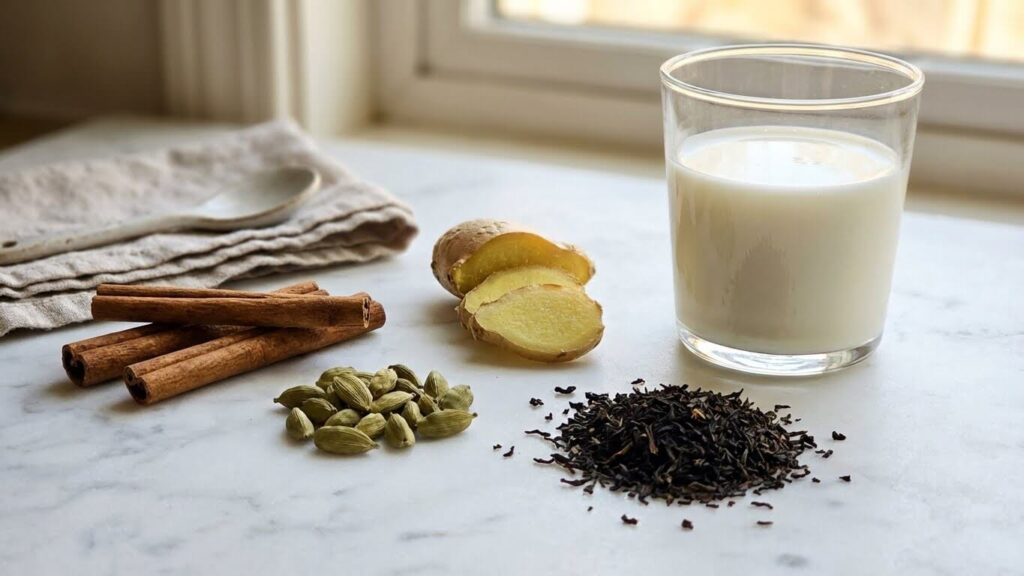
A chai tea latte starts with chai tea, which is traditionally black tea infused with spices such as cinnamon, ginger, cardamom, cloves, and sometimes black pepper. Instead of drinking the tea on its own, milk is added to create a latte-style drink. In many café versions, including the chai tea latte Starbucks style, a chai concentrate or syrup replaces loose-leaf tea for speed and consistency.
Because of this preparation, the chai tea latte tastes richer and creamier than regular chai tea. The milk softens the spice intensity, while sweeteners round out the flavor. Although recipes vary, most chai tea latte recipes follow the same formula: strong chai base, milk, and optional sweetener. This simple structure is exactly why the drink is so adaptable, whether you’re making a hot version, an iced chai tea latte, or a seasonal variation like a pumpkin spice iced chai tea latte.
Origins of chai tea and how it became a latte
Chai tea originated in India, where “chai” simply means tea. Traditionally, chai tea was simmered with water, milk, spices, and tea leaves, creating a bold and aromatic drink enjoyed daily. Over time, as chai spread globally, it was adapted to fit Western café culture. That’s when the chai tea latte was born.
In Western coffee shops, especially in the U.S., steamed milk became the star ingredient. Instead of simmering tea and spices for long periods, cafés began using pre-made chai concentrates. This shift made it easier to serve quickly and consistently. As Starbucks added chai tea lattes to its menu, the drink became mainstream almost overnight. Because it felt familiar yet different from coffee, customers embraced it as a go-to option among hot drinks from Starbucks.
Today, the chai tea latte represents a blend of tradition and convenience. It still carries the essence of classic chai tea, yet it fits perfectly into modern lifestyles. Whether ordered in a café, made at home, or prepared as an iced chai tea latte recipe, the drink continues to grow in popularity for one simple reason—it’s comforting, flavorful, and easy to love.
Chai Tea Latte vs Traditional Chai Tea
Although the names sound similar, chai tea and a chai tea latte aren’t exactly the same drink. While they share the same spice foundation, the preparation, texture, and overall experience are quite different. Because many café menus use the terms interchangeably, it’s easy to feel confused. However, once you understand how each drink is made, the differences become very clear.
Traditional chai tea focuses on intensity and depth, whereas a chai tea latte emphasizes creaminess and balance. As a result, one feels bold and rustic, while the other feels smooth and café-style. Understanding this difference helps you decide which option fits your taste, caffeine needs, and daily routine.
Chai tea recipe basics and core spices
A traditional chai tea recipe, often called masala chai, starts with black tea leaves simmered directly in water. From there, spices such as cinnamon sticks, fresh ginger, cardamom pods, cloves, and sometimes black pepper are added. Milk and sugar are usually introduced during the simmering process, allowing all the flavors to blend together deeply.
Because the tea and spices boil together, the flavor of chai tea is strong and layered. Each sip delivers noticeable spice heat and tea bitterness. This is why chai tea is often enjoyed slowly and in smaller servings. While recipes vary by region and household, the core spices stay mostly the same. These spices are what give chai tea its warming reputation and rich aroma.
Unlike café versions, traditional chai tea doesn’t rely on syrups or concentrates. Instead, everything is made from scratch. Because of that, the taste can change slightly every time, depending on spice ratios and brewing time. This homemade style is what many people associate with authentic chai.
Differences between chai tea and chai tea latte
The biggest difference between chai tea and a chai tea latte comes down to milk and preparation. In a chai tea latte, milk plays a much larger role. Instead of simmering tea and spices together, most cafés brew a chai concentrate and then mix it with steamed or cold milk. This creates a creamier, lighter drink with a smoother finish.
Another key difference is sweetness. A chai tea latte—especially versions like the chai tea latte Starbucks style—tends to be sweeter than traditional chai tea. This sweetness makes it more approachable for people who are used to flavored lattes or sweet coffee drinks. Because of this, the chai tea latte often feels more like a treat than a daily tea.
Texture also sets them apart. Traditional chai tea is thinner and more intense, while a chai tea latte is thicker and softer on the palate. When served iced, the contrast becomes even more noticeable. An iced chai tea latte feels refreshing and creamy, whereas iced chai tea remains bold and spice-forward.
In short, chai tea is about tradition and strength, while the chai tea latte is about comfort and customization. Both have their place, but the latte version has become especially popular in the U.S. because it fits seamlessly into modern café culture.
Chai Tea Latte Nutrition and Health Benefits
When choosing between coffee and tea-based drinks, many people wonder whether a chai tea latte is actually a healthier option. While it’s not a health drink in the strict sense, it does offer some nutritional advantages depending on how it’s prepared. Because ingredients vary widely between homemade recipes and café versions, the health impact of a chai tea latte can change quite a bit. The spices found in a chai tea latte, including ginger and cinnamon, are also commonly used in wellness-focused drinks like ashwagandha tea, which is often enjoyed for its calming and balancing properties.
At its base, a chai tea latte contains black tea, spices, milk, and sweetener. Each of these ingredients contributes something different. The tea provides antioxidants and caffeine, the spices offer potential wellness benefits, and the milk adds protein and calcium. However, sugar and portion size play a major role in determining whether this drink fits into a balanced routine. For people choosing between tea and coffee, a chai tea latte can feel like a middle ground, similar to creative energy-boosting beverages such as ginger lemon coffee, which blends bold flavor with gentle stimulation.
Is a chai tea latte healthier than coffee?
Whether a chai tea latte is healthier than coffee depends largely on how both drinks are made. Plain black coffee has almost no calories and no sugar, which makes it a lighter option in terms of energy intake. However, many popular coffee drinks include flavored syrups, creamers, and whipped toppings. In those cases, a chai tea latte can be comparable—or sometimes even lighter.
One advantage of a chai tea latte is its spice content. Ingredients like ginger and cinnamon are known for their antioxidant properties. While the amounts in a single drink are modest, they still add more nutritional value than a flavored coffee syrup. Additionally, the caffeine level in a chai tea latte is generally lower than coffee, which can be easier on people who are sensitive to caffeine.
That said, café-style chai tea lattes often contain added sugar. For example, a chai tea latte Starbucks version uses a sweetened chai concentrate. Because of this, calories can add up quickly. When made at home, however, a chai tea latte recipe can be adjusted with less sugar or alternative sweeteners, making it a more balanced choice overall.
Calories, sugar, and caffeine in a chai tea latte
Calories in a chai tea latte vary based on milk type, sweetener, and portion size. On average, a medium café chai tea latte can range from 200 to 300 calories. Much of this comes from sugar and milk. Using whole milk increases creaminess but also raises calorie and fat content, while using almond or oat milk can lower or shift the nutritional profile.
Sugar is another key factor. Many commercial chai concentrates already contain sweeteners, so adding extra sugar isn’t usually necessary. However, some versions—especially flavored or seasonal options like a pumpkin spice iced chai tea latte—contain even more added sugar. This is why moderation matters if you’re ordering frequently.
Caffeine levels in a chai tea latte are moderate. Because it’s made with black tea instead of espresso, it typically contains about half the caffeine of a standard cup of coffee. This makes it a good option for those who want a gentle energy boost without feeling jittery. An iced chai tea latte usually has the same caffeine level as the hot version, since the tea base remains the same.
Overall, a chai tea latte can fit into a healthy lifestyle when enjoyed mindfully. Choosing smaller sizes, reducing added sugar, and making it at home are simple ways to enjoy the flavor without overdoing the calories.
Chai Tea Latte Starbucks: What You Need to Know
The chai tea latte Starbucks version is one of the most ordered tea-based drinks on the menu. Because it’s smooth, sweet, and easy to customize, it appeals to a wide range of customers. Whether ordered hot or iced, this drink has become a staple among Starbucks drinks, especially for those who want something flavorful without espresso.
Starbucks uses a chai tea concentrate rather than brewing tea and spices from scratch. This approach ensures consistency across all locations. As a result, the flavor profile is always recognizable—bold spice upfront, balanced sweetness, and creamy milk throughout. While this makes ordering simple, it also affects calories, sugar, and overall nutrition.
Chai tea latte Starbucks calories and ingredients
A standard Starbucks chai tea latte is made with chai concentrate, milk, and water for the hot version. The iced chai tea latte skips the water and uses ice instead. The chai concentrate already contains black tea, spices, and sugar, which means sweetness is built in from the start.
In terms of calories, a grande chai tea latte Starbucks drink made with 2% milk typically contains around 240 calories. Most of those calories come from sugar and milk. If you switch to whole milk, the calorie count increases. On the other hand, choosing almond milk, oat milk, or soy milk can slightly change both calories and flavor.
Sugar content is something to be aware of. Because the chai tea latte Starbucks recipe relies on a pre-sweetened concentrate, even reducing pumps doesn’t remove all the sugar. However, you can still make adjustments. Asking for fewer pumps, choosing a smaller size, or adding extra ice in an iced chai tea latte can help lower overall sugar intake without sacrificing flavor.
Starbucks chai latte prix and size comparisons
The Starbucks chai latte prix varies depending on location, size, and whether you choose hot or iced. In the U.S., a tall is the most affordable option, while a venti costs noticeably more. Iced versions often cost slightly more than hot drinks due to size and ice volume.
Size also impacts calories and caffeine. A tall chai tea latte Starbucks drink has fewer calories and less caffeine than a grande or venti. Because caffeine comes from black tea, the increase is moderate, but it’s still worth considering if you’re sensitive to caffeine later in the day.
Customization is another factor that affects price. Adding non-dairy milk, cold foam, or seasonal flavors like pumpkin spice can raise the cost. However, these options also allow you to tailor the drink exactly to your taste. That flexibility is one reason the chai tea latte remains one of the most popular hot drinks from Starbucks year after year.
If you enjoy the flavor but want more control over ingredients and cost, learning a Starbucks-style chai tea latte recipe at home can be a smart alternative.
Homemade Chai Tea Latte Recipe (Hot Version)
Making a chai tea latte at home fits perfectly into a daily routine of preparing warm drinks, just like learning how to make hot coffee at home, where control over ingredients and flavor makes a noticeable difference.
Making a chai tea latte recipe at home is easier than most people expect. Not only does it give you full control over sweetness and spice, but it also allows you to adjust the drink to your dietary preferences. While café versions rely on concentrates, a homemade chai tea latte can be made using either brewed chai tea or a simple spice blend.
When prepared at home, a chai tea latte often tastes fresher and less sweet than store-bought versions. Because of that, it’s a great option if you love the flavor but want a more balanced drink. With just a few ingredients and basic kitchen tools, you can enjoy a café-quality chai tea latte without leaving the house.
Chai tea latte recipe step-by-step
To make a classic hot chai tea latte, start by brewing a strong chai tea. You can use chai tea bags or loose-leaf chai tea, depending on what you have available. Brew the tea in hot water for about five minutes so the spices fully develop. The stronger the tea, the better it will hold up once milk is added.
Next, heat your milk separately. Whole milk creates the creamiest texture, but almond, oat, or soy milk work just as well. Warm the milk gently without boiling, then froth it if you want a café-style finish. Once both components are ready, combine equal parts chai tea and warm milk in a mug.
Finally, sweeten to taste. Honey, maple syrup, or simple syrup all pair well with chai spices. Stir everything together, and your homemade chai tea latte is ready to enjoy. This basic method works every time and can easily be scaled up for multiple servings.
How to customize sweetness and spice
One of the biggest advantages of making a chai tea latte at home is customization. If you prefer less sugar, simply reduce or skip sweeteners altogether. Unlike many café drinks, a homemade chai tea latte doesn’t rely on pre-sweetened syrups, so you’re always in control.
Spice levels can also be adjusted. Adding extra cinnamon or ginger boosts warmth, while a pinch of cardamom enhances aroma. For a richer drink, you can increase the milk ratio. If you like a stronger tea flavor, use less milk and more brewed chai.
This flexibility makes the homemade chai tea latte perfect for daily enjoyment. Whether you want a cozy morning drink or a relaxing evening option, adjusting the recipe ensures it fits your taste every time.
Iced Chai Tea Latte Variations
An iced chai tea latte is the perfect choice when you want the bold, spiced flavor of chai in a refreshing form. While the hot version feels cozy and comforting, iced variations are lighter, smoother, and ideal for warm weather. Because the base ingredients remain the same, the transition from hot to iced is simple and doesn’t sacrifice flavor.
Many coffee shops, including Starbucks, offer iced chai tea lattes year-round. However, making them at home is just as easy and often healthier. With a few adjustments to brewing and milk ratios, you can create a perfectly balanced iced chai tea latte recipe that tastes just as good—if not better—than café versions.
Iced chai tea latte recipe explained
To make a classic iced chai tea latte recipe, start by brewing chai tea extra strong. This step is important because ice will dilute the drink. Brew the tea, then allow it to cool completely. Once chilled, fill a glass with ice and pour the chai tea over it.
Next, add cold milk. Dairy milk works well, but oat and almond milk are especially popular for iced versions because they stay smooth and slightly sweet when chilled. Stir gently to combine. If desired, add a small amount of sweetener, keeping in mind that iced drinks often taste slightly less sweet than hot ones.
This simple recipe creates a clean, refreshing iced chai tea latte with balanced spice and creaminess. It’s a great everyday drink and an excellent alternative to sugary iced coffee beverages.

Pumpkin spice iced chai tea latte and seasonal twists
One of the most popular variations is the pumpkin spice iced chai tea latte. This version builds on the classic recipe by adding pumpkin spice or pumpkin puree and a hint of vanilla. The warm spices in chai pair naturally with pumpkin flavors, creating a drink that feels seasonal without being overwhelming.
Other seasonal twists are just as easy. In summer, adding a splash of vanilla or cinnamon cold foam can elevate the drink. In fall or winter, a dash of nutmeg or clove adds depth. Because chai is already spice-forward, even small additions can transform the flavor.
Whether you keep it simple or experiment with flavors, iced chai tea latte variations offer endless possibilities. They’re refreshing, customizable, and perfect for anyone who loves chai but prefers a cooler drink.
Starbucks-Style Chai Tea Latte at Home
Recreating a chai tea latte Starbucks style drink at home is one of the easiest ways to enjoy café flavor while saving money and controlling ingredients. Because Starbucks relies on a chai concentrate rather than freshly brewed spices, the key to a good copycat version is choosing the right base and balancing milk and sweetness correctly.
Making a Starbucks-style chai tea latte at home also allows you to adjust sugar levels, milk type, and spice intensity. As a result, you can enjoy the same familiar taste with fewer calories or a cleaner ingredient list. Whether you prefer it hot or iced, the method stays simple and consistent.
Starbucks chai tea latte recipe copycat
A Starbucks chai tea latte recipe copycat starts with a chai concentrate. You can use a store-bought chai concentrate or make a quick homemade version by brewing strong chai tea and lightly sweetening it. Starbucks typically mixes equal parts chai concentrate and milk, which creates a smooth and balanced drink.
To prepare it hot, heat the chai concentrate and milk separately, then combine them in a mug. Stir well and serve immediately. For an iced version, pour the chai concentrate over ice, add cold milk, and stir. This method closely matches the texture and flavor of the iced chai tea latte served in Starbucks stores.
The most important detail is consistency. Keeping the ratio close to one-to-one ensures the spice flavor stays noticeable without overpowering the milk. Once you’ve mastered this base, customizing the drink becomes easy.
Chai tea latte Starbucks sirop and alternatives
The chai tea latte Starbucks sirop is sweet, spiced, and already fully flavored, which is why Starbucks drinks taste consistent worldwide. However, this syrup also contains added sugar, which may not suit everyone. At home, you have several alternatives that still deliver similar results.
One option is using unsweetened chai concentrate and adding your own sweetener. Honey, maple syrup, or vanilla syrup all work well. Another option is steeping chai tea bags longer and adding a pinch of extra spices like cinnamon or ginger to intensify the flavor.
By choosing alternatives to traditional chai syrup, you can create a drink that tastes just as satisfying while fitting your personal preferences. This flexibility is exactly why many people prefer making their chai tea latte at home instead of ordering it daily from cafés.
Chai Tea Latte Pods and Machines
For people who value speed and convenience, chai tea latte pods and machines offer an easy way to enjoy this popular drink at home. While these options may not deliver the same depth as a freshly brewed chai tea latte recipe, they’re practical for busy mornings and consistent in flavor. Because of this, pod-based chai tea lattes have become increasingly popular in recent years.
Single-serve machines simplify the process by combining pre-measured ingredients with the push of a button. As a result, there’s no need to brew tea, heat milk, or balance spices manually. However, convenience often comes with trade-offs in taste, customization, and ingredient quality.
Chai tea latte Dolce Gusto options
The chai tea latte Dolce Gusto format is designed for ease. These pods usually contain powdered chai mix and milk components, producing a creamy drink in minutes. The flavor is generally smooth and mildly spiced, making it appealing to people who prefer a softer chai profile.
Because the pods are pre-sweetened, customization is limited. You can’t easily adjust sugar levels or spice intensity, which may be a downside for those who like stronger chai flavors. Still, for an occasional drink or quick fix, Dolce Gusto chai tea latte pods offer reliable results with minimal effort.
Another thing to consider is portion size. Pod-based drinks are usually smaller than café servings, which can be helpful if you’re watching calories. However, you may find the flavor less bold compared to a homemade or café-style chai tea latte.
Convenience vs homemade flavor
When comparing pod-based chai tea lattes to homemade versions, flavor depth is the biggest difference. A homemade chai tea latte allows you to control every element—from spice strength to milk type. This leads to a richer, more personalized drink. In contrast, machines prioritize consistency and speed.
That said, convenience has its place. On busy mornings, having a chai tea latte ready in under a minute can be a major advantage. For many people, pods serve as a practical alternative when time is limited.
Ultimately, the best option depends on your priorities. If flavor and customization matter most, a homemade chai tea latte recipe is the better choice. If speed and simplicity come first, pod-based options like chai tea latte Dolce Gusto can still deliver a satisfying experience.
Chai Tea Latte FAQs and Expert Tips
A chai tea latte often raises questions about caffeine, health, and how it compares to other popular café drinks. Because it sits somewhere between tea and a latte, many people aren’t quite sure what to expect. Below, we answer the most common questions and share practical tips to help you enjoy this drink in a smarter, more informed way.
What exactly is a chai tea latte?
A chai tea latte is a drink made from spiced black tea combined with milk and sweetener. Unlike plain chai tea, the latte version is creamier and smoother because of the higher milk content. In cafés, especially Starbucks, the drink is usually made with a chai concentrate or syrup mixed with milk. This method creates a consistent flavor that’s mildly sweet and spice-forward, making it appealing to a wide range of tastes.
Is a chai tea latte healthier than coffee?
A chai tea latte can be healthier than coffee in some situations, but it depends on how both drinks are prepared. Plain black coffee has fewer calories, but many coffee drinks include flavored syrups and creamers. In comparison, a chai tea latte contains spices like cinnamon and ginger and generally has less caffeine. However, café versions can be high in sugar. When made at home with controlled sweetness, a chai tea latte can be a balanced alternative to sugary coffee drinks.
Is a chai latte a lot of caffeine?
A chai latte is not considered high in caffeine. Because it’s made with black tea instead of espresso, it typically contains about half the caffeine of a regular cup of coffee. This makes it a good option for people who want a gentle energy boost without feeling overstimulated. An iced chai tea latte has roughly the same caffeine level as the hot version.
Are Starbucks chai tea lattes healthy?
Starbucks chai tea lattes are enjoyable but should be consumed in moderation. They use a sweetened chai concentrate, which increases sugar and calorie content. While they do contain tea and spices, the added sugar can add up quickly, especially in larger sizes. Choosing a smaller size, fewer pumps, or making a Starbucks-style chai tea latte at home can help make it a healthier option.
Expert tips for enjoying chai tea lattes
If you’re ordering at a café, start with a smaller size to manage sugar and calories. Choosing non-dairy milk can slightly change the nutritional profile and flavor. At home, brew your chai tea strong and sweeten lightly for better balance. For iced versions, always chill the tea before adding ice to avoid dilution.
Whether you prefer it hot, iced, homemade, or Starbucks-style, the chai tea latte remains a versatile and comforting drink. By understanding what’s in it and how it’s made, you can enjoy it in a way that fits your taste and lifestyle perfectly.
Conclusion — Why the Chai Tea Latte Deserves a Spot in Your Daily Routine
The chai tea latte continues to stand out as one of the most versatile and comforting drinks available today. Because it blends spiced black tea with creamy milk, it delivers warmth, flavor, and balance in every sip. Whether you enjoy it hot on a quiet morning or as an iced chai tea latte on a warm afternoon, this drink easily adapts to your lifestyle.
Compared to many coffee-based beverages, a chai tea latte offers a gentler caffeine boost and a richer spice profile. At the same time, understanding calories, sugar, and ingredients—especially in popular options like the chai tea latte Starbucks version—helps you make smarter choices. When made at home, you gain full control over sweetness, milk type, and spice intensity, making it easier to enjoy regularly without overdoing it.
Whether enjoyed hot or iced, a chai tea latte pairs beautifully with other comforting homemade drinks, including soothing options like honey lemon ginger tea, which are ideal for relaxation and balance.
Print
Chai Tea Latte Recipe (Starbucks-Style, Hot or Iced)
- Total Time: 10 minutes
- Yield: 2 servings 1x
Description
A chai tea latte is a smooth and spiced blend of black tea, milk, and warm aromatic spices. It’s one of the most comforting and popular café-style drinks, perfect for those who want flavor and coziness without the intensity of coffee.
Ingredients
- 2 chai tea bags or 2 tablespoons loose-leaf chai
- 1 cup water
- 1 cup milk (whole, almond, oat, or soy)
- 1–2 teaspoons sweetener (honey, maple syrup, or sugar)
- Optional: extra cinnamon, ginger, or cardamom for stronger spice
Instructions
- Brew chai tea bags or loose-leaf chai in 1 cup of hot water for 5 minutes.
- In a separate pot, heat 1 cup of milk until warm (do not boil).
- Froth the milk if desired for a café-style finish.
- Combine the brewed tea and warm milk in a mug in equal parts.
- Sweeten to taste with honey, maple syrup, or sugar.
- Optionally, sprinkle with cinnamon or other spices for extra flavor.
- Serve hot and enjoy your homemade chai tea latte.
Notes
To make it iced, chill the brewed tea, pour over ice, and add cold milk. For a Starbucks-style version, use chai concentrate and mix with milk at a 1:1 ratio.
- Prep Time: 5 minutes
- Cook Time: 5 minutes
- Category: Beverages
- Method: Stovetop
- Cuisine: Fusion
Nutrition
- Serving Size: 1 cup
- Calories: 120
- Sugar: 10g
- Sodium: 50mg
- Fat: 4g
- Saturated Fat: 2g
- Unsaturated Fat: 2g
- Trans Fat: 0g
- Carbohydrates: 16g
- Fiber: 0g
- Protein: 4g
- Cholesterol: 10mg
Keywords: chai tea latte, homemade chai, Starbucks chai, iced chai latte, spiced tea