
Introduction
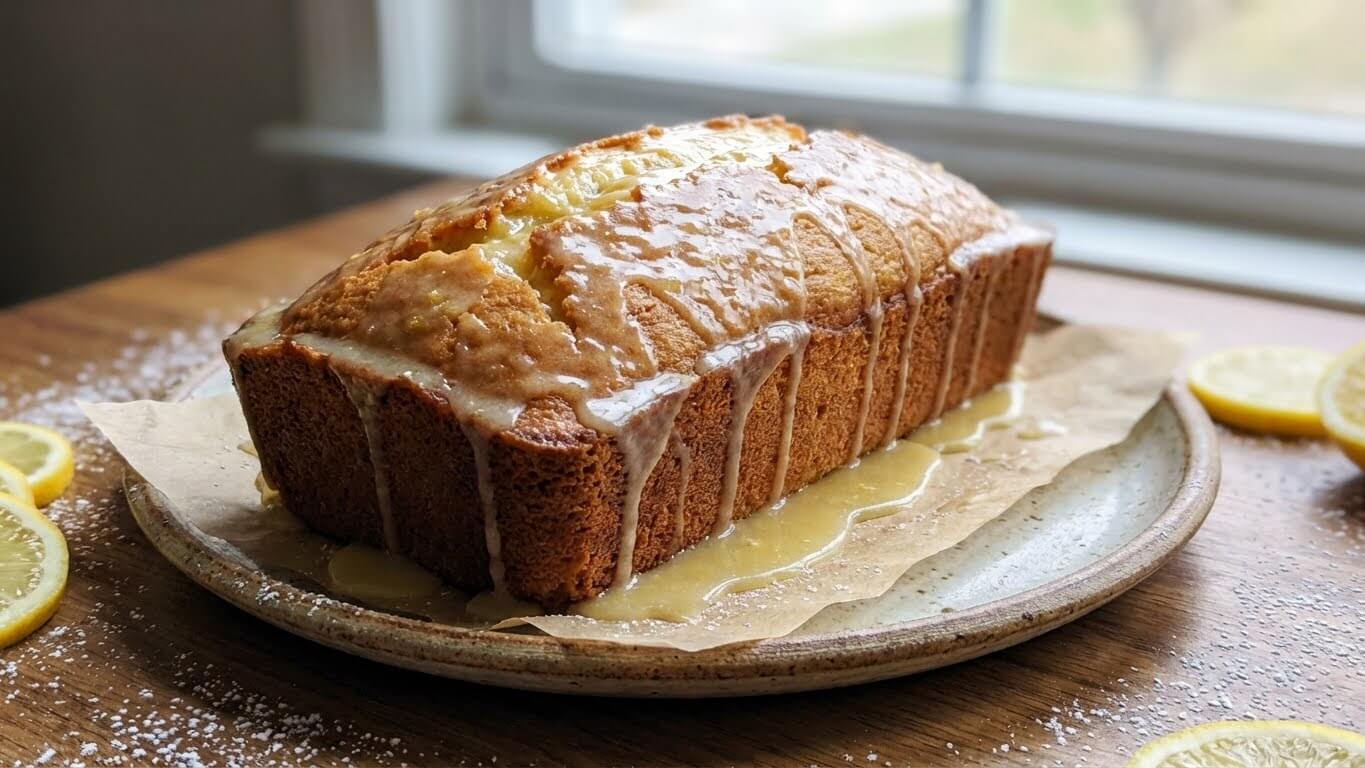
If you love bakery-style lemon desserts, this Meyer Lemon Loaf Cake (Bakery Style) is exactly the kind of recipe you’ll want to keep on repeat. With its ultra-moist crumb, rich buttery texture, and bright citrus flavor, this loaf cake delivers that classic coffee-shop experience right from your own kitchen. Unlike standard lemon loaves, a bakery-style Meyer lemon loaf cake is softer, more fragrant, and perfectly balanced between sweet and tangy, making it ideal for breakfast, brunch, or dessert.
Because Meyer lemons are naturally sweeter and less acidic than regular lemons, they create a smoother, more refined citrus flavor that works beautifully in loaf cakes. That’s why so many bakers prefer them for bakery-style recipes. Throughout this guide, you’ll learn what makes this loaf cake special, how bakeries achieve that signature texture, and which ingredients truly make a difference. If you enjoy experimenting with citrus treats, you’ll love exploring these Meyer lemon dessert recipes for even more inspiration.
In this first section, we’ll focus on understanding what defines a bakery-style Meyer lemon loaf cake and why Meyer lemons are the secret ingredient behind its standout flavor.
Print
Meyer Lemon Loaf Cake (Bakery Style): So Moist It Puts Bakeries to Shame
- Total Time: 1 hour 15 minutes
- Yield: 1 loaf 1x
Description
A soft, buttery Meyer lemon loaf cake with bakery-style texture and bright citrus flavor
Ingredients
- 1 1/2 cups all-purpose flour
- 1/2 teaspoon baking powder
- 1/4 teaspoon baking soda
- 1/4 teaspoon salt
- 1/2 cup unsalted butter, softened
- 1 cup granulated sugar
- 2 large eggs
- 1/2 cup sour cream
- 1/4 cup fresh Meyer lemon juice
- 1 tablespoon Meyer lemon zest
- 1 teaspoon vanilla extract
Instructions
- Preheat oven to 350°F (175°C) and grease a 9×5-inch loaf pan.
- In a medium bowl, whisk together flour, baking powder, baking soda, and salt. Set aside.
- In a large bowl, cream together butter and sugar until light and fluffy.
- Add eggs one at a time, beating well after each addition.
- Mix in sour cream, Meyer lemon juice, zest, and vanilla until smooth.
- Gradually add dry ingredients to wet ingredients, mixing just until combined.
- Pour batter into prepared loaf pan and smooth the top.
- Bake for 50–55 minutes, or until a toothpick inserted into the center comes out clean.
- Cool in pan for 10 minutes, then transfer to a wire rack to cool completely.
- Optional: Dust with powdered sugar or glaze before serving.
Notes
Use fresh Meyer lemons for best flavor. Store in an airtight container for up to 3 days.
- Prep Time: 20 minutes
- Cook Time: 55 minutes
- Category: Dessert
- Method: Baking
- Cuisine: American
Nutrition
- Serving Size: 1 slice
- Calories: 310
- Sugar: 22g
- Sodium: 180mg
- Fat: 15g
- Saturated Fat: 9g
- Unsaturated Fat: 5g
- Trans Fat: 0g
- Carbohydrates: 39g
- Fiber: 1g
- Protein: 4g
- Cholesterol: 70mg
Keywords: meyer lemon, loaf cake, bakery style, citrus dessert
Understanding Meyer Lemon Loaf Cake
What Makes a Meyer Lemon Loaf Cake Bakery Style?
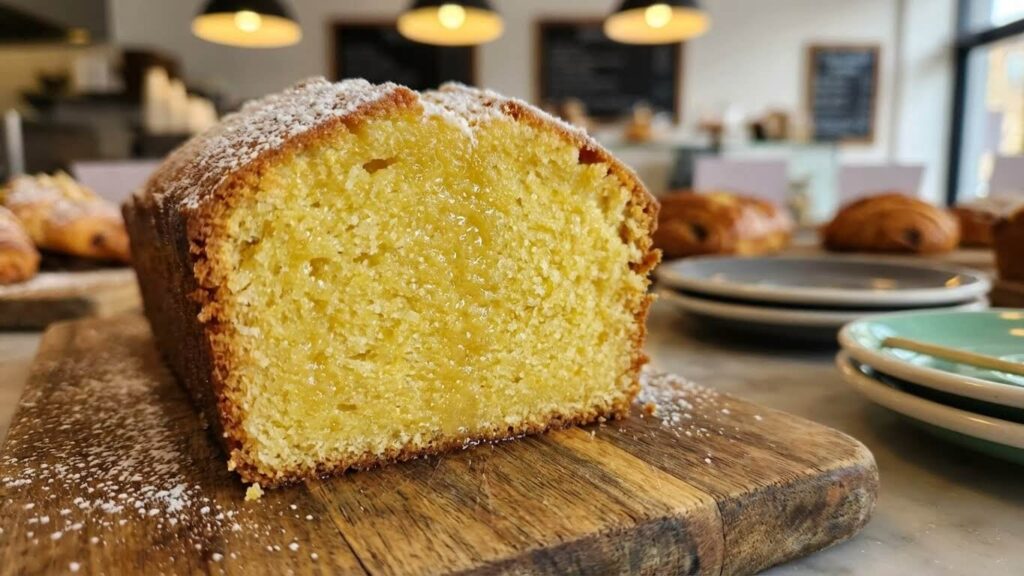
A true Meyer Lemon Loaf Cake (Bakery Style) isn’t just about adding lemon juice to a basic batter. Instead, it’s about achieving a specific texture, flavor depth, and visual appeal that mirrors what you’d find in a professional bakery. Typically, bakery-style loaf cakes are taller, denser yet tender, and incredibly moist without feeling heavy. They also have a fine, even crumb that slices cleanly, which is something home bakers often struggle to replicate.
One key difference is fat content. Bakery-style Meyer lemon loaf cakes often rely on a balance of butter, oil, or dairy-based ingredients to create richness while keeping the cake soft for days. Additionally, bakeries don’t rush the mixing process. They carefully cream ingredients or emulsify fats to trap air, which helps the loaf rise evenly and prevents a dry texture.
Another defining feature is flavor layering. Rather than relying on lemon juice alone, a bakery-style loaf incorporates Meyer lemon zest, sometimes infused into sugar or fats first. This method releases essential oils, ensuring the lemon flavor is fragrant and consistent throughout the cake. As a result, every bite tastes intentional, not flat or overly sharp.
Why Meyer Lemons Are Ideal for Loaf Cakes
Meyer lemons are the reason this loaf cake tastes so refined. Unlike standard lemons, Meyer lemons are a hybrid citrus fruit with thinner skin, deeper color, and a naturally sweeter profile. Because of this, they’re especially well-suited for baking, where balance matters just as much as brightness.
When used in a Meyer Lemon Loaf Cake (Bakery Style), Meyer lemons add citrus flavor without overpowering the buttery base of the cake. Their zest is less bitter, which means you can use more of it to boost aroma without risking harshness. That’s a major advantage when trying to recreate bakery-quality flavor at home.
In addition, Meyer lemon juice blends more smoothly into batters, making it easier to maintain the right moisture level. This is critical for loaf cakes, which bake longer than layer cakes and are more prone to drying out. Because Meyer lemons are gentler, they enhance the cake’s structure instead of breaking it down.
Thanks to their versatility, Meyer lemons are also popular in other desserts like cookies and melt-in-your-mouth treats. If you’re craving more citrus inspiration, these meyer lemon meltaways are a perfect example of how well this fruit shines beyond loaf cakes.
Ingredients That Create a Bakery-Style Meyer Lemon Loaf Cake
Key Ingredients for a Moist Meyer Lemon Loaf Cake
The difference between an average lemon loaf and a true Meyer Lemon Loaf Cake (Bakery Style) almost always comes down to ingredient selection. While technique matters, bakeries rely on very specific ingredients to guarantee moisture, structure, and flavor consistency every single time. When you understand why each component is used, it becomes much easier to recreate that same result at home.
First, fat is essential. Butter brings rich flavor, while a small amount of neutral oil helps the loaf stay moist even days after baking. This combination is common in bakery-style cakes because it balances taste and texture. Eggs are equally important, as they provide structure while contributing to tenderness when properly emulsified.
Next comes dairy. Ingredients like sour cream, yogurt, or cream cheese add moisture and softness without thinning the batter. These dairy elements also help control gluten development, which keeps the crumb tight yet tender. This is the same principle used in dense yet creamy loaf-based desserts like this burnt basque cheesecake loaf pan, where richness and structure must coexist.
Sugar choice also plays a role. Granulated sugar provides sweetness and lift, while a small portion of powdered sugar or glucose-based sweetener can improve moisture retention. Many bakeries subtly tweak sugar ratios to keep loaf cakes soft for longer display times.
Of course, the star ingredient is the Meyer lemon itself. Fresh Meyer lemon zest delivers aromatic oils that define the cake’s flavor, while the juice adds gentle acidity that brightens the batter without overpowering it. Using bottled juice or skipping the zest is one of the fastest ways to lose that bakery-style quality.
Choosing Fresh Meyer Lemons for Best Flavor
Not all Meyer lemons are equal, and choosing the right ones makes a noticeable difference in a Meyer Lemon Loaf Cake (Bakery Style). Ideally, you want lemons that feel heavy for their size, with smooth, thin skin and a deep yellow to orange hue. These signs indicate a higher juice content and more aromatic zest.
Because Meyer lemon skin is thinner and less bitter than regular lemon peel, it’s perfect for zesting directly into sugar or butter. This technique allows the essential oils to bloom, creating a stronger citrus aroma throughout the loaf. Bakeries often massage zest into sugar before mixing to maximize this effect, and it’s a simple step that dramatically improves flavor.
Freshness also impacts moisture. Meyer lemons that are overly ripe or dehydrated won’t provide the same balance of sweetness and acidity. When possible, avoid lemons with wrinkled skin or dull color, as they tend to produce weaker juice and less fragrant zest.
Once baked, many bakery-style loaves are finished with a glaze or frosting to enhance both appearance and flavor. A lightly tangy topping pairs especially well with Meyer lemon’s natural sweetness. For a smooth, professional finish that complements citrus cakes beautifully, this cream cheese frosting recipe is an excellent option.
By focusing on ingredient quality and understanding how each element contributes to texture and flavor, you’re already halfway to mastering a bakery-style Meyer lemon loaf cake. Next, we’ll dive deeper into texture and reveal how bakeries achieve that perfectly tender crumb every time.
Texture Secrets of a Perfect Meyer Lemon Loaf Cake
How to Achieve a Tender Crumb Like a Bakery
Texture is what truly separates a homemade loaf from a Meyer Lemon Loaf Cake (Bakery Style) you’d expect to see behind a bakery glass case. While flavor draws people in, it’s the soft, even crumb that keeps them coming back. Fortunately, that texture isn’t accidental—it’s the result of a few deliberate techniques that bakeries rely on every day.
First, ingredient temperature matters more than most home bakers realize. Room-temperature butter, eggs, and dairy blend together more smoothly, creating a stable emulsion that traps air evenly. This process leads to a uniform crumb rather than tunnels or dense patches. When ingredients are too cold, the batter can split, which directly affects texture.
Mixing method is equally important. Bakery-style Meyer lemon loaf cakes are typically mixed just until combined once the flour is added. Overmixing activates gluten, which results in a tough or rubbery loaf. That’s why many professional recipes alternate dry ingredients with dairy, mixing gently between additions to maintain tenderness.
Moisture control also plays a key role. Meyer lemon juice adds liquid and acidity, but too much can weaken structure. Bakeries balance this by pairing citrus juice with thicker ingredients like sour cream or yogurt. This combination keeps the crumb soft while still allowing the loaf to rise properly and hold its shape.
Balancing Moisture and Structure in Lemon Loaf Cakes
A perfectly baked Meyer Lemon Loaf Cake (Bakery Style) should feel moist but never wet, and rich without being heavy. Achieving that balance requires careful attention to both batter consistency and baking conditions.
One common bakery technique is resting the batter briefly before baking. This short rest allows flour to hydrate fully, which improves structure and reduces uneven air pockets. While optional, it can noticeably enhance crumb quality, especially in citrus-based batters.
Pan choice also influences texture. Light-colored metal loaf pans promote even baking, preventing over-browning on the outside before the center sets. Dark pans absorb more heat, which can dry out the edges of a lemon loaf before the interior finishes baking. Many bakeries rely on precise pan selection to maintain consistency across batches.
Finally, post-bake moisture retention makes a huge difference. Some bakery-style loaves are brushed with a light lemon syrup while still warm. This step locks in moisture and intensifies citrus flavor without making the cake soggy. The result is a loaf that stays soft for days, much like the citrus-forward treats found in classic Meyer lemon desserts.
With texture mastered, the next step is execution. In the following section, we’ll walk through the step-by-step preparation process that helps ensure your Meyer lemon loaf cake rises evenly, bakes through properly, and looks just as good as it tastes.
Step-by-Step Meyer Lemon Loaf Cake Preparation
Mixing Techniques for Bakery-Style Results
Executing a flawless Meyer Lemon Loaf Cake (Bakery Style) depends heavily on how the batter is mixed. Even with the best ingredients, improper mixing can flatten flavor and ruin texture. Bakeries follow a precise order of operations to maintain consistency, and that same approach works just as well at home.
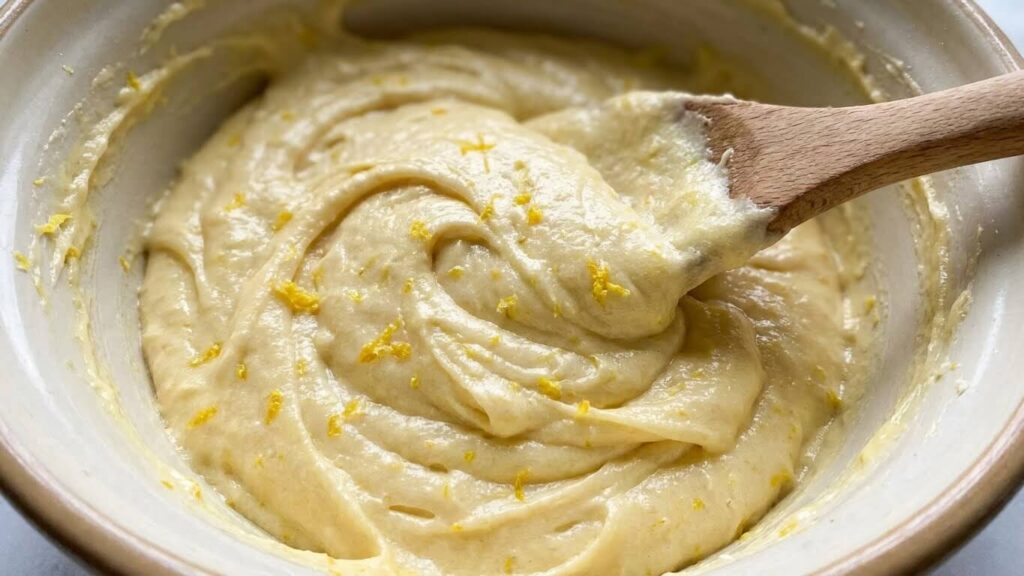
The process typically begins by creaming butter and sugar together until light and fluffy. This step isn’t just about blending—it incorporates air, which helps the loaf rise evenly during baking. For maximum lemon aroma, many bakers rub Meyer lemon zest into the sugar before creaming. This releases essential oils and distributes citrus flavor throughout the batter from the very start.
Eggs should be added one at a time, mixing just until each is fully incorporated. This gradual approach keeps the batter emulsified and prevents separation. Once the eggs are in, liquid ingredients like Meyer lemon juice and dairy are added slowly, ensuring the mixture stays smooth and stable.
When it’s time to add the dry ingredients, restraint is key. Flour, leavening agents, and salt should be folded in gently, stopping as soon as no dry streaks remain. Overmixing at this stage is one of the most common reasons a Meyer lemon loaf loses its bakery-style softness.
Baking Times and Temperature for Even Rise
Baking a Meyer Lemon Loaf Cake (Bakery Style) requires patience and precision. Unlike thin cakes, loaf cakes bake slowly, and rushing the process almost always leads to uneven texture or underbaked centers.
Most bakery-style lemon loaves are baked at a moderate temperature, allowing the cake to rise gradually without doming too aggressively. A slow, steady bake encourages an even crumb and prevents the exterior from setting before the interior is fully cooked. Placing the loaf pan on the center rack ensures consistent heat circulation on all sides.
Visual cues are helpful, but internal doneness matters most. A properly baked Meyer lemon loaf should have a golden top, slightly cracked along the center, and a firm yet springy texture when gently pressed. A toothpick inserted into the center should come out with a few moist crumbs but no wet batter.
Once baked, the loaf should cool in the pan briefly before being transferred to a rack. This resting period allows the structure to set, reducing the risk of collapse. From there, the cake can be glazed, frosted, or served as is. In the next section, we’ll explore the finishing touches—glazes, icings, and toppings—that give bakery-style Meyer lemon loaf cakes their signature look and flavor.
Glazes, Icings, and Toppings for Meyer Lemon Loaf Cake
Classic Meyer Lemon Glaze for Loaf Cake
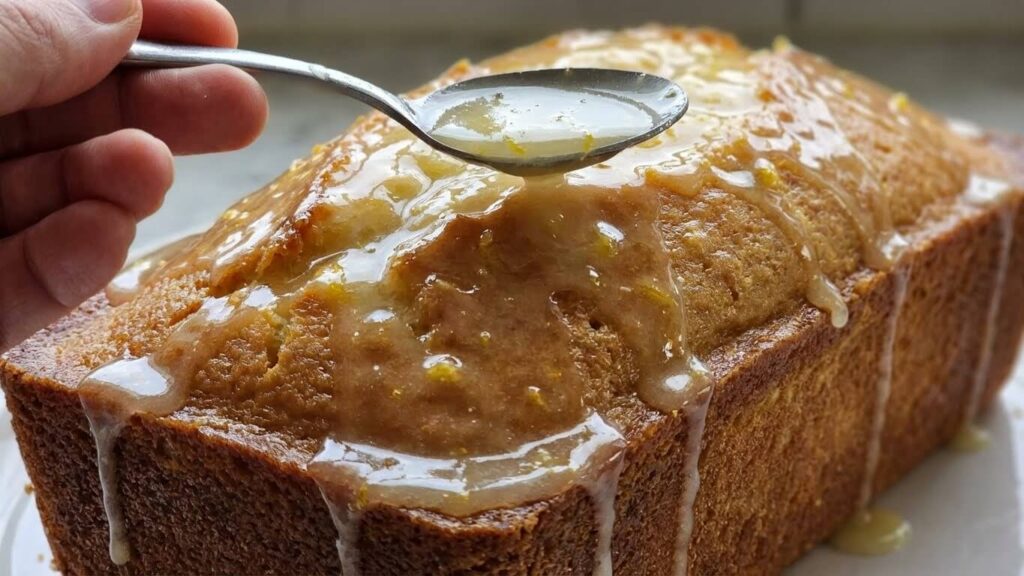
A glossy glaze is one of the most recognizable features of a Meyer Lemon Loaf Cake (Bakery Style). Not only does it add visual appeal, but it also reinforces the citrus flavor while sealing in moisture. Bakeries often favor simple lemon glazes because they’re lightweight, shiny, and allow the cake itself to remain the star.
The key to a perfect Meyer lemon glaze is balance. Powdered sugar provides structure, while fresh Meyer lemon juice adds brightness without excessive acidity. Because Meyer lemons are naturally sweeter, the glaze tastes smoother and less sharp than one made with regular lemons. This makes it ideal for loaf cakes that already have a rich, buttery crumb.
Timing matters just as much as ingredients. Glazing the loaf while it’s slightly warm allows the glaze to seep into the top layer, creating a moist surface rather than a brittle shell. This technique is widely used in bakeries to keep lemon loaves soft for days while still delivering a bold citrus finish.
Consistency is another factor. A bakery-style glaze should be thick enough to coat the loaf but fluid enough to drip slowly down the sides. If it’s too thin, it disappears. If it’s too thick, it looks heavy and masks the loaf’s texture.
Creamy and Bakery-Style Frosting Options
While glazes are classic, some bakery-style Meyer lemon loaf cakes are finished with a richer topping. Frostings add contrast, especially when you want a dessert-style loaf rather than a breakfast-friendly one. Cream-based toppings pair particularly well with Meyer lemon because they soften the citrus notes without dulling them.
A smooth frosting creates a more indulgent presentation, similar to what you’d see in boutique bakeries or specialty cafés. These frostings are usually spread in a thin, even layer rather than piled high, allowing the loaf to remain elegant and sliceable.
Texture contrast is important here. A soft, creamy topping complements the dense yet tender crumb of a Meyer lemon loaf, making each bite feel balanced. This approach works especially well when the cake itself isn’t overly sweet, letting the frosting provide just enough richness to round out the flavor profile.
Ultimately, whether you choose a glaze or a frosting depends on how you plan to serve the cake. Glazed loaves feel lighter and more traditional, while frosted versions lean toward dessert territory. Either way, thoughtful finishing is what elevates a simple loaf into a true Meyer Lemon Loaf Cake (Bakery Style).
Next, we’ll explore creative variations, including lighter options and no-bake-inspired Meyer lemon dessert ideas that build on the same flavor profile.
Variations on Meyer Lemon Loaf Cake
Healthy Meyer Lemon Dessert Ideas
A Meyer Lemon Loaf Cake (Bakery Style) can absolutely be adapted for lighter or more health-conscious preferences without sacrificing flavor. While classic bakery recipes lean rich, small ingredient swaps can dramatically change the nutritional profile while keeping that signature citrus appeal.
One common approach is reducing refined sugar and replacing part of it with natural sweeteners like honey or maple syrup. Because Meyer lemons are naturally sweeter, these adjustments are easier to make without the cake tasting flat. Whole milk yogurt or Greek yogurt can also replace some of the butter or oil, adding protein and moisture at the same time.
Flour choices matter as well. A partial swap with almond flour or whole wheat pastry flour can add fiber while maintaining a tender crumb. The key is moderation—bakery-style texture still relies on structure, so balance is essential. When done correctly, the result is a loaf that feels lighter but still satisfies like a traditional Meyer lemon loaf cake.
Portion control is another bakery-inspired trick. Many bakeries bake smaller loaves or slice larger ones thinly, making indulgent desserts feel more approachable. This mindset works perfectly for those looking to enjoy Meyer lemon desserts more often without overdoing it.
No-Bake Meyer Lemon Dessert Adaptations
While a loaf cake is baked by nature, the flavor profile of a Meyer Lemon Loaf Cake (Bakery Style) translates beautifully into no-bake desserts. Creamy, citrus-forward treats capture the same balance of sweetness and brightness, making them ideal alternatives when you want something quicker or more refreshing.
No-bake Meyer lemon desserts often rely on condensed milk, cream cheese, or yogurt as their base. These ingredients echo the richness of a loaf cake while eliminating the need for an oven. The gentle acidity of Meyer lemons keeps these desserts from feeling overly heavy, even when they’re rich and creamy.
Texture-wise, no-bake adaptations focus on smoothness rather than crumb. However, elements like cookie crusts or crumb toppings can mimic the experience of a sliced loaf cake. This makes them especially appealing during warmer months, when baked desserts feel less practical.
These variations highlight just how versatile Meyer lemon flavor can be. Whether baked into a classic loaf or transformed into a chilled dessert, the same principles apply: balance, brightness, and a smooth, bakery-style finish.
Up next, we’ll look at the best ways to serve and store your Meyer lemon loaf cake so it stays moist, flavorful, and bakery-fresh for as long as possible.
Serving and Storing Meyer Lemon Loaf Cake
How to Serve Meyer Lemon Loaf Cake for Maximum Flavor
Serving a Meyer Lemon Loaf Cake (Bakery Style) the right way enhances both flavor and texture. Bakeries rarely serve lemon loaf straight from the oven. Instead, they allow it to cool completely, giving the crumb time to set and the citrus notes time to mellow and blend.
For best results, slice the loaf using a sharp serrated knife, wiping the blade clean between cuts. This keeps the edges neat and prevents the glaze or frosting from dragging across the surface. Slightly thicker slices work well for breakfast or brunch, while thinner slices feel more dessert-like when served after a meal.
Temperature also plays a role. Meyer lemon loaf cake tastes best at room temperature, where its buttery crumb softens and the lemon aroma becomes more pronounced. If the loaf has been refrigerated, letting it sit out for 20 to 30 minutes before serving can significantly improve its texture and flavor.
Presentation matters too. Many bakery-style loaves are served simply, without additional garnishes, allowing the citrus glaze or frosting to stand out. However, a light dusting of powdered sugar or a few curls of Meyer lemon zest can add visual appeal without overwhelming the cake.
Storage Tips to Keep Meyer Lemon Loaf Cake Moist
Proper storage is essential if you want your Meyer Lemon Loaf Cake (Bakery Style) to stay fresh beyond the first day. Because loaf cakes are denser than layer cakes, they actually store quite well when handled correctly.
At room temperature, an unfrosted or lightly glazed Meyer lemon loaf can be wrapped tightly in plastic wrap and kept for up to three days. This method preserves moisture while preventing the cake from absorbing unwanted odors. If the loaf is frosted, refrigeration is usually necessary, but it should still be well wrapped to avoid drying out.
For longer storage, freezing is an excellent option. Bakery-style lemon loaves freeze beautifully when wrapped in multiple layers, first in plastic wrap and then in foil. When thawed slowly at room temperature, the cake retains much of its original softness and flavor.
Avoid storing lemon loaf cake uncovered or slicing it too far in advance. Exposure to air is the fastest way to lose that tender, bakery-style texture. With the right storage approach, your Meyer lemon loaf cake can remain moist and flavorful for days.
Next, we’ll cover common mistakes that can affect texture and flavor—and how to avoid them so your loaf turns out bakery-perfect every time.
Common Mistakes When Making Meyer Lemon Loaf Cake
Why Meyer Lemon Loaf Cakes Sink or Dry Out
Even experienced home bakers can run into issues when making a Meyer Lemon Loaf Cake (Bakery Style). Two of the most common problems are sinking centers and dry texture, and both usually come down to small but critical missteps.
Sinking often happens when the batter contains too much liquid or when the loaf is underbaked. Meyer lemon juice adds moisture and acidity, which is great for flavor, but too much can weaken the structure of the cake. If the center hasn’t fully set before the loaf is removed from the oven, it may collapse as it cools. Opening the oven door too early can also cause a sudden temperature drop, leading to sinking.
Dryness, on the other hand, is usually the result of overbaking or incorrect ingredient ratios. Loaf cakes bake longer than most cakes, and even a few extra minutes can pull too much moisture from the crumb. Using too much flour, not enough fat, or skipping dairy-based ingredients like yogurt or sour cream can also leave the loaf dry and dense.
Another overlooked factor is pan size. Using a smaller loaf pan than intended forces the batter to bake longer, increasing the risk of a dry exterior and an underbaked interior. Bakeries avoid this issue by sticking to precise measurements and consistent equipment.
How to Fix Texture and Flavor Issues
The good news is that most problems with a Meyer Lemon Loaf Cake (Bakery Style) are easy to prevent once you know what to watch for. First, always measure ingredients accurately, especially flour. Spoon-and-level measuring or using a kitchen scale helps avoid adding too much, which can stiffen the crumb.
Second, pay close attention to doneness cues. Instead of relying solely on baking time, check the loaf’s internal texture. A toothpick with a few moist crumbs is ideal. If it comes out completely wet, the cake needs more time. If it’s totally clean, the loaf may already be heading toward dryness.
Flavor issues often stem from underusing zest. Meyer lemon zest is where most of the citrus aroma lives, so don’t rely on juice alone. Zesting directly into sugar or butter helps distribute flavor evenly and gives the loaf that unmistakable bakery-style fragrance.
Finally, don’t skip cooling and resting time. Allowing the loaf to cool fully before slicing prevents crumbling and lets the flavors settle. Many bakery-style lemon loaves actually taste better several hours after baking, once the crumb and citrus notes have had time to balance.
With these mistakes out of the way, you’re ready to explore even more Meyer lemon inspiration beyond loaf cakes. In the next section, we’ll look at other simple and creative Meyer lemon dessert ideas that build on the same bright, bakery-style flavor profile.
Meyer Lemon Dessert Inspiration Beyond Loaf Cake
Simple Meyer Lemon Recipes for Everyday Baking
Once you’ve mastered a Meyer Lemon Loaf Cake (Bakery Style), it’s natural to start exploring other ways to use this unique citrus. Meyer lemons are incredibly versatile, which makes them ideal for everyday baking projects that don’t require complex techniques or long prep times.
Simple Meyer lemon recipes often focus on highlighting the fruit’s natural sweetness and floral aroma. Cookies, bars, and small cakes benefit from Meyer lemon zest just as much as loaf cakes do, especially when paired with buttery or creamy bases. Because the acidity is gentler, these desserts tend to taste more balanced and less sharp, even with minimal added sugar.
For home bakers, simplicity also means consistency. Recipes that rely on straightforward mixing methods and short baking times are easier to repeat successfully. That’s one reason Meyer lemon desserts are so popular—they deliver big flavor without demanding advanced skills or specialty equipment.
Creative Meyer Lemon Dessert Ideas for Any Occasion
Beyond everyday baking, Meyer lemons shine in more creative dessert ideas that still echo the appeal of a Meyer Lemon Loaf Cake (Bakery Style). Tarts, chilled desserts, and citrus-forward cookies all use the same flavor principles: brightness, balance, and a smooth finish.
Meyer lemon tarts, for example, showcase the fruit’s creamy citrus profile in a more elegant format, making them perfect for entertaining. Bars and slice-and-serve desserts offer convenience while still delivering bakery-quality flavor. Even simple shortbread-style cookies become elevated when infused with Meyer lemon zest.
The beauty of Meyer lemon desserts is how easily they adapt to different seasons and occasions. Whether baked, chilled, or no-bake, the flavor remains unmistakable. If you’re looking to expand your citrus repertoire even further, revisiting these Meyer lemon dessert recipes is a great way to discover new favorites inspired by the same bright, bakery-style appeal.
Meyer Lemon Dessert Questions
Can you make Meyer lemon no bake desserts with condensed milk?
Yes, Meyer lemons work exceptionally well in no-bake desserts made with condensed milk. Their natural sweetness balances the richness of condensed milk, creating smooth and creamy textures without the sharp acidity of regular lemons. Many no-bake Meyer lemon desserts rely on this combination for quick, reliable results that still taste bakery-quality.
Are there healthy Meyer lemon no bake desserts?
There are plenty of healthier Meyer lemon no-bake dessert options. Recipes using Greek yogurt, coconut yogurt, or reduced-sugar condensed milk can deliver bright citrus flavor while keeping things lighter. Because Meyer lemons are less tart, they require less added sweetener, making them ideal for healthier dessert adaptations.
What is a Meyer lemon posset?
A Meyer lemon posset is a classic creamy dessert made by thickening cream with citrus juice and sugar—no baking required. Meyer lemons are especially popular for possets because their gentle acidity creates a smooth, velvety texture without curdling, resulting in a refined and elegant dessert.
How do you make a classic Meyer lemon bars recipe?
A traditional Meyer lemon bars recipe features a buttery shortbread crust topped with a smooth Meyer lemon filling made from eggs, sugar, juice, and zest. The key difference compared to regular lemon bars is the softer, more floral citrus flavor, which gives the bars a less acidic and more balanced finish.
What are the best Meyer lemon dessert ideas for beginners?
Beginners often start with simple Meyer lemon recipes like loaf cakes, cookies, bars, or no-bake desserts. These options require minimal technique while still showcasing the fruit’s unique flavor. Loaf cakes, in particular, are forgiving and deliver consistent results.
Can Meyer lemons be used in cookies, tarts, and simple recipes?
Absolutely. Meyer lemons are excellent in cookies, tarts, glazes, and simple citrus desserts. Their sweeter profile makes them versatile across baked and no-bake recipes, allowing home bakers to experiment without worrying about overly sharp flavors.
Conclusion
A Meyer Lemon Loaf Cake (Bakery Style) is more than just a lemon dessert—it’s a perfect balance of texture, moisture, and bright citrus flavor that feels both comforting and refined. By understanding ingredient choices, mixing techniques, baking methods, and finishing touches, you can confidently recreate a loaf cake that rivals anything from a professional bakery.
Whether you stick with a classic glazed loaf or explore variations inspired by healthier or no-bake Meyer lemon desserts, the principles remain the same: quality ingredients, thoughtful balance, and attention to detail. And if you’re ready to keep experimenting with citrus-forward treats, revisiting these Meyer lemon dessert recipes will give you endless inspiration beyond the loaf pan.