
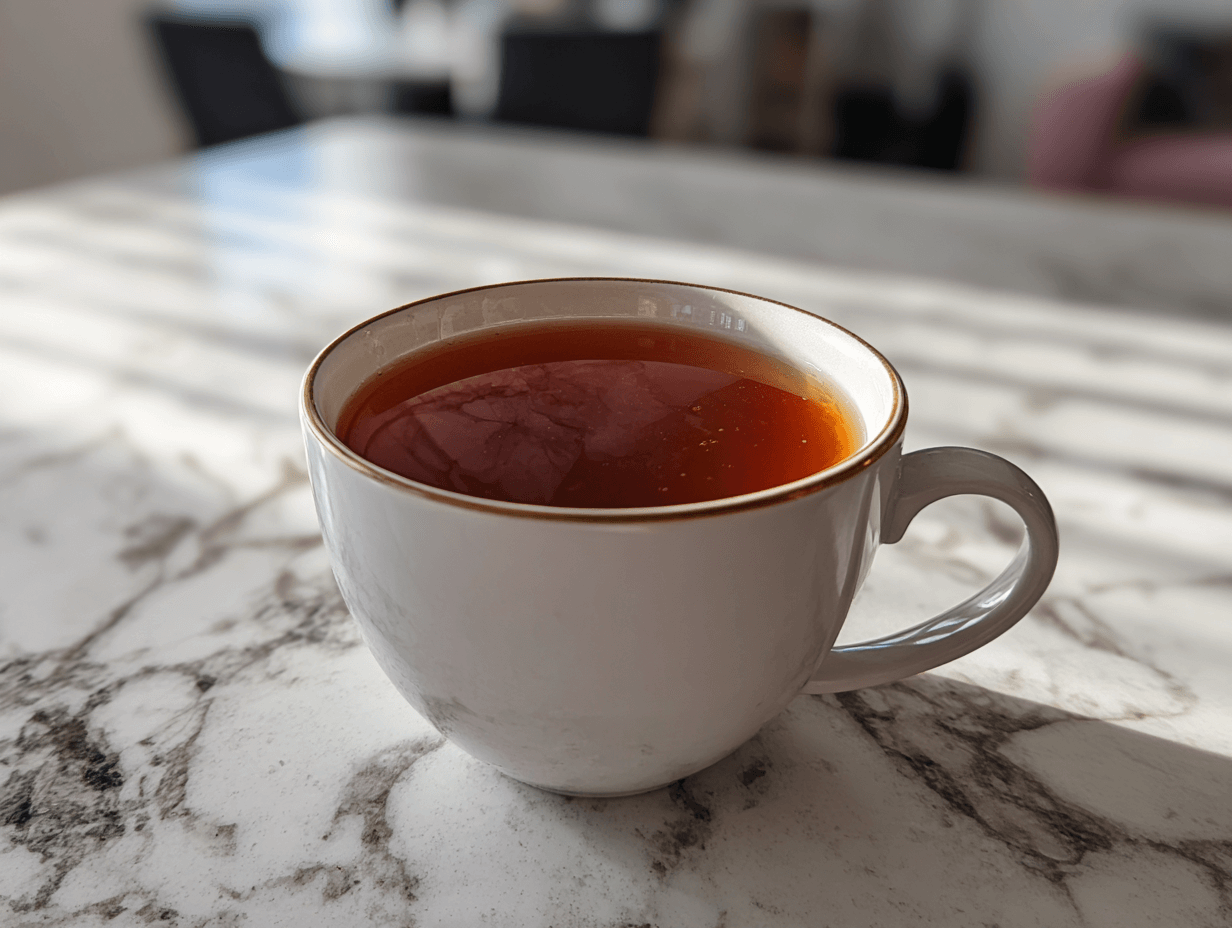
Ashwagandha tea has become one of the most talked-about herbal wellness drinks, and for good reason. Known for its calming and adaptogenic properties, ashwagandha tea is often used to support stress relief, relaxation, and overall balance without relying on caffeine. Because modern lifestyles are increasingly fast-paced, many people are turning to natural options like ashwagandha tea to help unwind and support daily wellness in a gentle, sustainable way.
In this article, you’ll discover what ashwagandha tea is good for, why it’s trending in the wellness community, and how it compares to supplements. You’ll also learn about potential ashwagandha tea benefits, safety considerations, and how this soothing herbal drink fits into a balanced routine. Whether you’re curious about stress support, sleep, or simply exploring healthy caffeine-free drink alternatives, this guide will help you understand why ashwagandha tea is becoming a staple in so many homes.
What Is Ashwagandha Tea and Why It’s Trending
Ashwagandha Tea Benefits for Stress Relief and Calm
Ashwagandha tea is a caffeine-free herbal infusion made from the root of the ashwagandha plant, an adaptogen traditionally used in Ayurvedic wellness practices. Because adaptogens help the body respond more effectively to stress, ashwagandha tea benefits are most often associated with relaxation, emotional balance, and a greater sense of calm throughout the day. As more people move away from stimulants, this soothing herbal drink has become a popular choice for supporting mental clarity and stress management naturally.
What makes ashwagandha tea especially appealing is how gently it works with the body. Instead of delivering an abrupt effect, it supports the nervous system over time, which helps reduce tension and promote steady relaxation. Many people include it in their evening routine because it doesn’t interfere with sleep. If you already enjoy calming herbal blends, honey lemon ginger tea is another wellness-focused option that pairs perfectly with a relaxation ritual.
Because ashwagandha tea is naturally caffeine-free, it can be enjoyed later in the day without overstimulation. For this reason, it’s often used to wind down after work or as part of a mindful nighttime routine. When combined with other holistic beverages, such as jamu juice recipe indonesian turmeric ginger drink, it supports a broader approach to daily balance and traditional wellness practices.
Ashwagandha Tea vs Supplements: Tea Benefits Explained
Although ashwagandha supplements are widely available in capsule and powder form, ashwagandha tea offers a gentler alternative. Because tea provides a lower, more gradual dose, it’s often easier on digestion and better suited for long-term daily use. This makes ashwagandha tea a smart choice for people who prefer natural routines over concentrated supplements.
Another important advantage is the ritual itself. Preparing and sipping tea encourages slowing down, which naturally enhances the calming benefits of ashwagandha. In addition, ashwagandha tea can be combined with complementary ingredients like ginger or cinnamon to expand its functional benefits. If immune wellness is part of your goal, pairing this tea with the best juice to boost the immune system helps support overall health in a balanced way.
While supplements may deliver higher potency, ashwagandha tea stands out as a sustainable wellness habit that’s easy to maintain. For those who enjoy warm, soothing beverages with functional benefits, ginger lemon coffee offers another comforting, caffeine-free option to rotate into your routine.
Print
Ashwagandha Tea Benefits, Uses, and Easy Recipe
- Total Time: 20 minutes
- Yield: 1 cup 1x
Description
Ashwagandha tea is a calming, caffeine-free herbal drink made from the root of the ashwagandha plant, known for supporting stress relief, better sleep, and overall balance. With its adaptogenic properties, this soothing tea fits naturally into a wellness-focused lifestyle.
Ingredients
- 1 teaspoon dried ashwagandha root (cut or powdered)
- 1½–2 cups water
- Optional: honey or maple syrup (to taste)
Instructions
- Bring water to a gentle boil in a small saucepan.
- Add ashwagandha root or powder and reduce heat to low.
- Simmer for 10–15 minutes to allow the compounds to infuse.
- Strain the tea into a cup if using root pieces.
- Sweeten with honey or maple syrup if desired, and enjoy warm.
Notes
You can enhance the flavor by adding ingredients like fresh ginger, cinnamon, or a splash of warm milk. Start with one cup per day and adjust based on how your body responds.
- Prep Time: 5 minutes
- Cook Time: 15 minutes
- Category: Boisson
- Method: Infusé
- Cuisine: Ayurvédique
Nutrition
- Serving Size: 1 cup
- Calories: 10
- Sugar: 0g
- Sodium: 0mg
- Fat: 0g
- Saturated Fat: 0g
- Unsaturated Fat: 0g
- Trans Fat: 0g
- Carbohydrates: 2g
- Fiber: 0g
- Protein: 0g
- Cholesterol: 0mg
Keywords: ashwagandha, tisane, stress, relaxation, boisson bien-être, sans caféine
Ashwagandha Tea Benefits Backed by Tradition and Research
Ashwagandha Tea Benefits for Stress, Anxiety, and Sleep
Ashwagandha has been used for centuries in traditional wellness systems, particularly Ayurveda, where it’s valued for its ability to support the body during periods of physical and emotional stress. When consumed as a tea, these traditional benefits are delivered in a gentler, more sustainable way that fits easily into modern routines. Because the brewing process extracts calming compounds slowly, ashwagandha tea benefits are often associated with steady relaxation rather than sudden changes in mood or energy.
One of the most widely discussed ashwagandha tea benefits is stress support. Regular consumption may help balance cortisol levels, which play a key role in how the body reacts to daily pressure. As cortisol levels stabilize, many people report feeling calmer, less reactive, and more emotionally balanced. This effect can be especially noticeable during high-stress periods when nervous system support becomes more important than stimulation.
Sleep support is another reason ashwagandha tea has gained popularity. Because it doesn’t contain caffeine and promotes relaxation, it’s often used as an evening drink. Many people find that drinking ashwagandha tea before bed helps quiet mental chatter and makes it easier to fall asleep naturally. Over time, this can contribute to more consistent sleep patterns and improved overall rest, which further enhances stress resilience during the day.
Ashwagandha Tea Benefits for Energy, Focus, and Mood Balance
Unlike stimulants that provide a quick burst of energy followed by a crash, ashwagandha tea works by supporting balance within the body. This is why it’s often described as both calming and gently energizing at the same time. By helping regulate the stress response, ashwagandha tea benefits may include improved mental clarity and steadier energy levels throughout the day.
Many people also turn to ashwagandha tea for mood support. Chronic stress can affect emotional well-being, focus, and motivation. Because ashwagandha supports the nervous system, regular use may help promote a more stable mood and better concentration. This makes ashwagandha tea especially appealing for those who want mental clarity without relying on caffeine or sugar-heavy drinks.
Over time, these combined effects—stress reduction, improved sleep, balanced energy, and emotional steadiness—explain why ashwagandha tea continues to gain attention in both traditional and modern wellness spaces. Rather than targeting one single issue, it supports overall balance, which is why many people choose it as a daily wellness tea instead of a short-term remedy.
Ashwagandha Tea Side Effects and Safety Considerations
Common Ashwagandha Tea Side Effects
Ashwagandha tea is generally considered safe for most healthy adults when consumed in moderate amounts. Because it’s taken in tea form rather than as a concentrated supplement, the effects tend to be milder and easier for the body to handle. That said, as with any herbal drink, some people may experience side effects, especially when first adding it to their routine.
The most commonly reported ashwagandha tea side effects are mild digestive issues, such as stomach discomfort or nausea. These reactions are more likely to occur if the tea is consumed on an empty stomach or brewed too strongly. For this reason, many people prefer drinking ashwagandha tea after a meal or using a lighter steep to allow the body time to adjust.
In some cases, ashwagandha tea may cause drowsiness. While this can be a benefit for those using it to support sleep, it may feel too calming if consumed earlier in the day. Because everyone responds differently, it’s often recommended to start with one cup per day and observe how your body reacts before increasing frequency.
Who Should Avoid Ashwagandha Tea
Although ashwagandha tea offers many wellness benefits, it isn’t suitable for everyone. Certain individuals should avoid or limit consumption unless advised otherwise by a healthcare professional. For example, people with thyroid conditions should be cautious, as ashwagandha may influence thyroid hormone levels.
Pregnant and breastfeeding women are often advised to avoid ashwagandha tea due to limited research on its safety during these stages. Additionally, individuals taking medications for anxiety, sleep, blood pressure, or autoimmune conditions should consult a healthcare provider before adding ashwagandha tea to their daily routine. This helps prevent potential interactions and ensures safe use.
People with known sensitivities to nightshade plants may also want to avoid ashwagandha tea, as the plant belongs to this family. While reactions are uncommon, it’s always better to proceed cautiously. Overall, understanding who should avoid ashwagandha tea is an important part of using it responsibly and gaining benefits without unnecessary risk.
Is It Safe to Drink Ashwagandha Tea Every Day?
Daily Dosage Guidelines for Ashwagandha Tea
For most people, drinking ashwagandha tea daily is considered safe when consumed in moderation. Because tea delivers a lower concentration of ashwagandha compared to capsules or extracts, it’s often easier to include as part of a long-term wellness routine. Typically, one cup per day is a comfortable starting point, especially for beginners who want to see how their body responds.
Many people gradually increase to one or two cups daily once tolerance is established. However, more isn’t always better. Ashwagandha tea works best through consistency rather than high doses, which means a steady daily habit is usually more effective than occasional overuse. Paying attention to how you feel—energy levels, digestion, and sleep quality—helps determine your ideal amount.
It’s also important to consider timing. Because ashwagandha tea promotes relaxation, many people prefer drinking it in the evening. That said, some find it beneficial earlier in the day for stress balance, as long as it doesn’t cause drowsiness. Adjusting timing based on your lifestyle ensures the tea supports your routine rather than disrupts it.
Long-Term Use: What Experts Recommend
When used responsibly, ashwagandha tea is generally suitable for long-term use. Unlike stimulants or habit-forming substances, it doesn’t create dependency. Instead, it supports the body’s natural ability to adapt to stress over time. This is why many wellness practitioners recommend periodic check-ins rather than strict cycling for tea-based consumption.
That said, some people choose to take short breaks every few weeks, especially if they’re drinking ashwagandha tea daily. This approach helps maintain sensitivity and ensures the body continues responding positively. If any unusual symptoms appear, such as persistent fatigue or digestive discomfort, it’s wise to pause use and reassess.
Overall, daily ashwagandha tea can be a safe and effective part of a balanced lifestyle when used mindfully. Listening to your body, keeping portions moderate, and maintaining variety in your wellness routine are key factors in getting the most benefit without unwanted effects.
Can Ashwagandha Tea Support Fertility and Hormone Balance?
Can Ashwagandha Help You Get Pregnant?
Ashwagandha has long been associated with hormone balance and reproductive wellness in traditional practices. While ashwagandha tea is not a fertility treatment, it’s often discussed as a supportive option for people looking to create a healthier internal balance before trying to conceive. Because chronic stress can negatively affect hormonal function, the calming nature of ashwagandha tea may play an indirect but meaningful role.
One of the key ways ashwagandha tea may support fertility is by helping regulate the stress response. Elevated stress hormones can interfere with ovulation and menstrual regularity. By promoting relaxation and emotional balance, ashwagandha tea benefits may include improved hormonal communication within the body. This supportive environment is often viewed as helpful when preparing for pregnancy, even though results vary from person to person.
It’s important to note that research on ashwagandha tea specifically is still limited. Most available studies focus on ashwagandha extracts rather than tea form. Because tea provides a milder dose, its effects are gentler and should be viewed as complementary rather than therapeutic. Anyone actively trying to conceive should always speak with a healthcare provider before adding ashwagandha tea to their routine.
Ashwagandha Tea and Women’s Wellness
Beyond fertility, ashwagandha tea is often used to support overall women’s wellness, particularly during periods of hormonal fluctuation. Many people turn to it during times of high stress, irregular sleep, or emotional imbalance. Because the tea supports calm without sedation, it can be incorporated into daily routines without disrupting productivity.
Some women find ashwagandha tea helpful for managing mood changes associated with hormonal shifts. By supporting the nervous system, it may help reduce feelings of irritability and mental fatigue. Over time, this sense of balance can contribute to better overall well-being, especially when paired with healthy sleep habits and proper nutrition.
However, as with any herbal product, individual responses vary. Pregnant and breastfeeding women are generally advised to avoid ashwagandha tea unless otherwise directed by a healthcare professional. Used thoughtfully, ashwagandha tea can be a gentle addition to a wellness-focused lifestyle, particularly for those seeking balance rather than quick fixes.
Best Ashwagandha Tea Brands and Blends
Best Ashwagandha Tea You Can Buy Online
With the growing popularity of adaptogenic drinks, there are now many ashwagandha tea options available online. However, not all products are created equal. The best ashwagandha tea brands focus on high-quality sourcing, minimal processing, and clean ingredient lists. Choosing organic ashwagandha root is especially important, as it helps reduce exposure to pesticides and preserves the plant’s natural compounds.
Many high-quality blends use cut and sifted ashwagandha root rather than powder, which allows for better flavor control and smoother digestion. In addition, reputable brands clearly list dosage, brewing instructions, and origin information. This transparency makes it easier to choose an ashwagandha tea that aligns with long-term wellness goals rather than quick trends.
When shopping online, reviews can offer helpful insight into taste, effectiveness, and overall satisfaction. While experiences vary, consistently well-reviewed ashwagandha tea products tend to emphasize balance, subtle flavor, and calming effects rather than overly strong or bitter profiles.
Tulsi Ashwagandha Tea Benefits and Popular Blends
One of the most popular variations is tulsi ashwagandha tea. Tulsi, also known as holy basil, is another adaptogenic herb traditionally used to support stress relief and immune balance. When combined, tulsi ashwagandha tea benefits often include enhanced relaxation, improved mood stability, and a smoother flavor profile.
Tulsi adds a slightly sweet, herbal taste that softens the earthiness of ashwagandha root. This makes the blend more enjoyable for daily use, especially for people new to adaptogenic teas. Because both herbs support the nervous system, the combination is often used during periods of emotional stress or mental fatigue.
Many wellness-focused brands now offer tulsi ashwagandha tea as a ready-made blend, making it easy to incorporate into a routine without measuring or mixing herbs at home. Whether enjoyed in the evening or during a quiet moment in the day, these blends highlight why ashwagandha tea continues to gain popularity as a gentle, balanced wellness drink.
Ashwagandha Tea Recipe: How to Make It at Home
Simple Ashwagandha Tea Recipe Step-by-Step
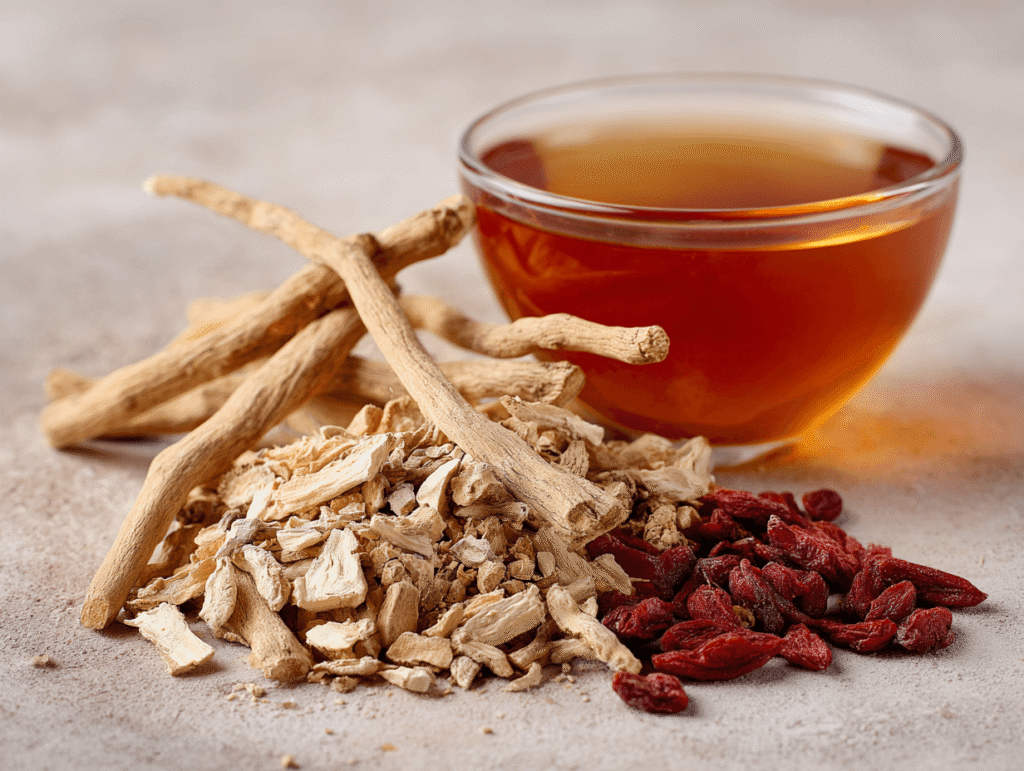
Making ashwagandha tea at home is simple, affordable, and allows you to control both strength and flavor. Because ashwagandha root has a naturally earthy taste, brewing it gently helps keep the tea smooth and pleasant while still delivering its wellness benefits.
Basic Ashwagandha Tea Recipe
| Ingredient | Amount |
|---|---|
| Dried ashwagandha root (cut or powder) | 1 teaspoon |
| Water | 1½–2 cups |
| Optional sweetener (honey or maple syrup) | To taste |
Instructions
- Bring the water to a gentle boil in a small saucepan.
- Add the ashwagandha root or powder and reduce heat to low.
- Simmer for 10–15 minutes to allow the beneficial compounds to infuse.
- Strain the tea into a cup if using root pieces.
- Sweeten lightly if desired and enjoy warm.
This preparation method creates a mild, calming tea that’s suitable for daily use. For beginners, starting with one cup per day is usually ideal. Because ashwagandha tea benefits build gradually, consistency matters more than brewing a strong batch.
Flavor Variations for the Best Ashwagandha Tea
Although plain ashwagandha tea works well on its own, many people prefer adding complementary ingredients to enhance both taste and function. These additions can also make the tea more enjoyable for long-term use.
Adding fresh ginger creates a warming effect and balances the earthy flavor of the root. Cinnamon adds natural sweetness and depth, while cardamom gives the tea a smooth, aromatic finish. For evening relaxation, a splash of warm milk or a dairy-free alternative can turn ashwagandha tea into a comforting latte-style drink.
You can also experiment with brewing time. A shorter steep produces a lighter, milder tea, while a longer simmer results in a stronger flavor and more pronounced effects. Adjusting these details helps you create the best ashwagandha tea for your personal taste and wellness goals.
Ashwagandha Tea Reviews and Real Experiences
Ashwagandha Tea Reddit Reviews and Feedback
Ashwagandha tea is frequently discussed on wellness forums and community platforms, where people share honest, experience-based feedback. Many Reddit users describe turning to ashwagandha tea during periods of high stress, burnout, or difficulty sleeping. One of the most common themes in these discussions is how subtle yet consistent the effects feel compared to supplements.
Users often note that ashwagandha tea doesn’t create an immediate sensation. Instead, benefits tend to appear after several days or weeks of regular use. People report feeling calmer, less reactive to stress, and more emotionally steady over time. This gradual effect is often viewed positively, especially by those who want support without feeling overly sedated.
Taste is another recurring topic. While some enjoy the earthy flavor, others mention that blending ashwagandha tea with ginger, cinnamon, or milk makes it more pleasant. Overall, Reddit feedback suggests that ashwagandha tea works best for people who value routine, patience, and gentle wellness habits rather than quick fixes.
Ashwagandha Tea Amazon Reviews: What Buyers Say
Amazon reviews offer a broader look at consumer experiences across different brands and blends. Many buyers highlight the convenience of tea bags and pre-mixed formulas, especially for daily use. Positive reviews often mention improved relaxation, better sleep quality, and reduced evening anxiety after consistent use.
Some reviewers point out that not all ashwagandha teas are the same. Differences in root quality, blend ingredients, and brewing strength can significantly affect both taste and results. Products that clearly list ingredients and offer organic sourcing tend to receive higher ratings and repeat purchases.
Less favorable reviews usually focus on flavor expectations or brewing strength rather than negative effects. This reinforces the idea that ashwagandha tea is generally well tolerated, with personal preference playing a major role in satisfaction. Taken together, these real-world experiences show why ashwagandha tea continues to grow in popularity as a gentle, accessible wellness drink.
FAQs About Ashwagandha Tea
What Is Ashwagandha Tea Good For?
Ashwagandha tea is primarily used to support relaxation, stress management, and overall balance. Because it’s made from an adaptogenic herb, it helps the body respond more effectively to daily stress rather than overstimulating the nervous system. Many people drink ashwagandha tea to unwind in the evening, improve sleep quality, and support emotional calm. Over time, consistent use may also contribute to steadier energy levels and improved focus.
Is It Safe to Drink Ashwagandha Tea Every Day?
For most healthy adults, drinking ashwagandha tea every day is considered safe when consumed in moderation. Because tea delivers a gentler dose than supplements, it’s often suitable for daily use. One to two cups per day is typical. As with any herbal drink, it’s best to listen to your body and adjust frequency if you notice drowsiness or digestive discomfort.
Who Cannot Drink Ashwagandha Tea?
Ashwagandha tea may not be suitable for everyone. Pregnant or breastfeeding women are generally advised to avoid it due to limited safety data. People with thyroid disorders, autoimmune conditions, or those taking medications for anxiety, sleep, or blood pressure should consult a healthcare professional before use. Individuals sensitive to nightshade plants may also want to avoid ashwagandha tea.
Can Ashwagandha Help You Get Pregnant?
Ashwagandha tea is not a fertility treatment, but it may offer indirect support by helping manage stress and promote hormonal balance. Chronic stress can interfere with reproductive health, so reducing stress may be beneficial when trying to conceive. However, anyone actively planning pregnancy should speak with a healthcare provider before using ashwagandha tea, as it’s generally not recommended during pregnancy.
Conclusion
Ashwagandha tea s’impose comme une solution naturelle et accessible pour celles et ceux qui cherchent à ralentir, mieux gérer le stress et soutenir leur bien-être au quotidien. Grâce à son action adaptogène douce, cette infusion aide le corps à retrouver un équilibre sans dépendre de stimulants ou de solutions agressives. Intégrée régulièrement dans une routine, elle peut favoriser la détente, un sommeil plus réparateur et une meilleure stabilité émotionnelle.
Ce qui rend l’ashwagandha tea particulièrement intéressante, c’est sa polyvalence. Que tu la consommes seule, en mélange avec d’autres plantes, ou comme rituel du soir, elle s’adapte facilement à différents styles de vie. Associée à d’autres boissons fonctionnelles et à des habitudes simples, elle devient un véritable pilier d’une approche bien-être durable. Pour compléter une routine équilibrée avec des boissons réconfortantes et fonctionnelles, warm comforting tea recipes peuvent aussi trouver naturellement leur place.
Utilisée avec modération et en tenant compte des précautions nécessaires, l’ashwagandha tea reste avant tout un allié de fond, pensé pour accompagner le corps sur le long terme plutôt que pour offrir des résultats immédiats. C’est précisément cette douceur et cette constance qui expliquent pourquoi elle continue de séduire autant dans le monde du bien-être moderne.