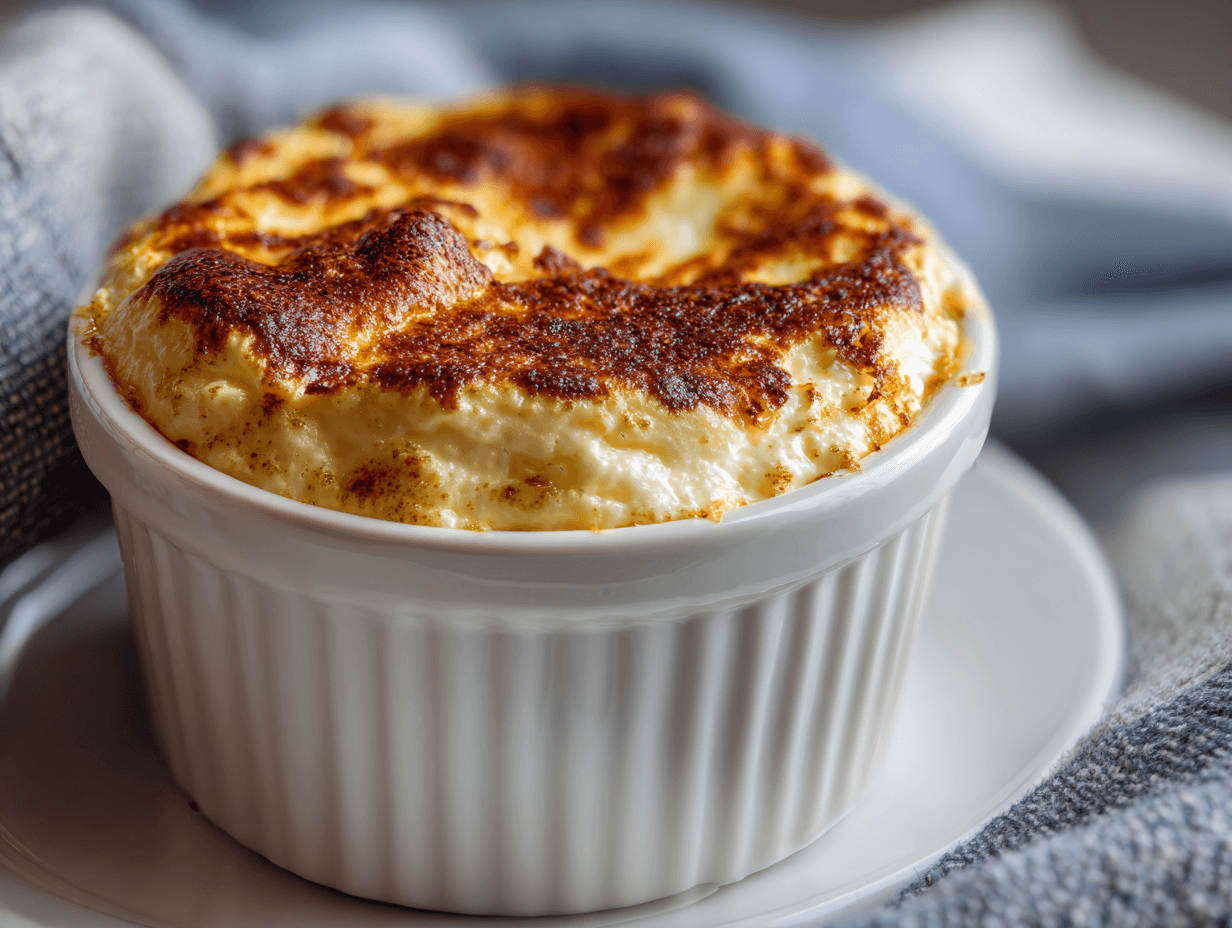
Bariatric ricotta bake is one of the most trusted meals for people following a bariatric diet after gastric sleeve or gastric bypass surgery. Because this bariatric ricotta bake recipe is soft, high in protein, and easy to digest, it fits seamlessly into the puree stage, soft food stage, and long-term bariatric maintenance. At the same time, it supports satiety, preserves lean muscle, and reduces the risk of post-op discomfort.
What truly makes bariatric ricotta bake stand out is its adaptability. You can keep it simple during early recovery or enhance it later with eggs, cottage cheese, or savory protein additions as your tolerance improves. If you enjoy similar textures and comforting, protein-forward dishes, you may also like cottage cheese casserole, which follows the same bariatric-friendly principles.
In this guide, you’ll learn whether ricotta cheese is safe after surgery, if ricotta cheese supports weight loss, how healthy baked ricotta really is, and which cheeses work best for bariatric patients long term. You’ll also discover practical nutrition tips and easy variations to help make bariatric ricotta bake a dependable part of your weekly meal plan.
Bariatric Ricotta Bake: The Best High-Protein Comfort Recipe After Surgery
- Total Time: 30 minutes
- Yield: 2 servings 1x
Description
A soft, protein-rich, and bariatric-friendly dish perfect for all post-op stages, from puree to maintenance.
Ingredients
- 1 cup part-skim ricotta cheese
- 1 egg
- 1/4 cup low-fat cottage cheese (optional)
- 2 tbsp grated parmesan cheese
- 1/4 tsp garlic powder
- 1/4 tsp Italian seasoning
- Salt and pepper to taste
- Optional: 1/4 cup lean ground beef or turkey (fully cooked and finely crumbled)
Instructions
- Preheat oven to 350°F (175°C).
- In a mixing bowl, combine ricotta, egg, parmesan, garlic powder, Italian seasoning, salt, and pepper.
- If using, stir in cottage cheese and/or cooked ground meat until well blended.
- Pour mixture into a small oven-safe baking dish.
- Bake for 20–25 minutes, or until set and lightly golden on top.
- Let cool slightly before serving. Portion as needed.
Notes
For early recovery, blend the mixture before baking for a smoother texture. Adjust protein add-ins as your tolerance improves.
- Prep Time: 5 minutes
- Cook Time: 25 minutes
- Category: Bariatric Recipe
- Method: Baked
- Cuisine: American
Nutrition
- Serving Size: 1 portion
- Calories: 180
- Sugar: 2g
- Sodium: 280mg
- Fat: 10g
- Saturated Fat: 5g
- Unsaturated Fat: 4g
- Trans Fat: 0g
- Carbohydrates: 4g
- Fiber: 0g
- Protein: 14g
- Cholesterol: 90mg
Keywords: bariatric ricotta bake, gastric sleeve recipe, high protein, soft food recipe
What Is a Bariatric Ricotta Bake and Why It Works
Understanding a Bariatric Ricotta Bake Recipe
A bariatric ricotta bake is a soft, oven-baked dish built around ricotta cheese as the primary protein source. Because ricotta naturally has a smooth, creamy texture, it bakes into a spoonable consistency that’s easy on a healing stomach. For bariatric patients, that texture is critical, especially during the early post-op stages when tolerance is limited and dryness can cause discomfort.
Another reason this bariatric ricotta bake recipe works so well is its simplicity. It typically uses just a few ingredients, which helps reduce digestive stress while still delivering high-quality protein. Since bariatric meals are small by design, ricotta bake also portions beautifully, making it easier to track intake without feeling deprived.
If you enjoy similar soft, protein-forward meals, you’ll likely also appreciate cottage cheese casserole, which follows the same bariatric-friendly structure while offering a slightly different flavor profile.
Why Bariatric Ricotta Bake Is Popular After Gastric Sleeve and Bypass
Bariatric ricotta bake has become a post-op favorite because it meets multiple needs at once. First, it supports protein goals, which are essential after gastric sleeve or gastric bypass surgery. Second, it provides comfort without relying on refined carbs or sugar-heavy ingredients. As a result, patients can enjoy a warm, satisfying meal without compromising weight loss progress.
Equally important, bariatric ricotta bake is highly adaptable. During the puree stage, it can be blended smooth and served plain. As healing progresses, eggs, cottage cheese, or finely ground meat can be added to increase protein while keeping the texture manageable. Because of this flexibility, many patients continue eating bariatric ricotta bake long after surgery, even during maintenance.
In addition, this dish reheats well and holds its texture, which makes it ideal for meal prep. When consistency and convenience matter, bariatric ricotta bake offers a reliable solution that supports both recovery and long-term success.
Can Bariatric Patients Eat Ricotta Cheese Safely?
Can I Eat Ricotta Cheese After Gastric Sleeve Surgery?
Yes, ricotta cheese is generally safe after gastric sleeve surgery when introduced at the appropriate stage. Because ricotta is naturally soft and moist, it’s often better tolerated than firmer cheeses. For many patients, ricotta becomes one of the first dairy foods reintroduced during the puree or soft food phase.
In addition, ricotta cheese provides a good balance of protein and fat without being overly heavy. When used in a bariatric ricotta bake, it bakes into a smooth consistency that reduces the risk of discomfort, nausea, or food sticking. That’s why many surgeons and dietitians recommend ricotta-based dishes early on.
However, portion size still matters. Even though ricotta is gentle, bariatric patients should start with small servings and eat slowly. Choosing part-skim ricotta can also help reduce excess fat while keeping protein intake on track.
Gastric Bypass Ricotta Bake: What to Know
For gastric bypass patients, tolerance can differ slightly due to changes in digestion. That said, bariatric ricotta bake is still considered a safe and practical option for many people after bypass surgery. Because ricotta is low in lactose compared to milk, it may be easier to digest, especially when baked.
Another benefit of a gastric bypass ricotta bake is consistency control. You can adjust how smooth or firm the bake is depending on your stage of recovery. Blending the mixture well and avoiding chunky add-ins early on can improve tolerance significantly.
If you’re looking to rotate similar meals into your plan, Discover great ideas like baked cottage cheese eggs, which also offer high protein in a soft, bariatric-friendly form.
Overall, ricotta cheese can be a valuable staple after both gastric sleeve and gastric bypass surgery when used mindfully, prepared simply, and eaten in proper portions.
Nutritional Benefits of Bariatric Ricotta Bake
Bariatric Ricotta Bake Nutrition Facts Explained
Bariatric ricotta bake stands out because it delivers solid nutrition in a very small portion. After weight loss surgery, your stomach capacity is limited, so every bite needs to count. Ricotta cheese provides a combination of high-quality protein, calcium, and essential vitamins without requiring large serving sizes.
On average, a bariatric ricotta bake portion can provide 8–14 grams of protein depending on the ingredients used. When eggs or cottage cheese are added, the protein content increases even more, which helps support muscle mass and promote healing. In addition, ricotta contains calcium and phosphorus, both of which are important for bone health, especially as rapid weight loss can impact bone density.
Because bariatric ricotta bake is low in refined carbohydrates, it also supports stable blood sugar levels. This makes it suitable not only for post-op recovery but also for long-term weight management.
Is Ricotta Cheese OK for Weight Loss?
Yes, ricotta cheese can support weight loss when used correctly. Unlike highly processed cheeses, ricotta is less dense and more filling by volume. This means you can feel satisfied with a smaller amount, which aligns perfectly with bariatric eating guidelines.
Furthermore, protein-rich foods like ricotta increase satiety and help reduce cravings between meals. When baked into a bariatric ricotta bake, ricotta becomes even easier to portion and less likely to be overeaten. Choosing part-skim ricotta and pairing it with lean proteins or eggs keeps calories controlled while maximizing nutritional value.
If you’re looking to vary your protein sources while staying low-carb, Check out pizza cottage cheese bake, which offers a savory alternative using similar bariatric-friendly ingredients.
Overall, ricotta cheese fits well into a weight loss plan when portion sizes are respected and it’s combined with other high-protein, low-carb foods.
Bariatric Ricotta Bake for the Puree and Soft Food Stages
Ricotta Bake Bariatric Puree Stage Guidelines
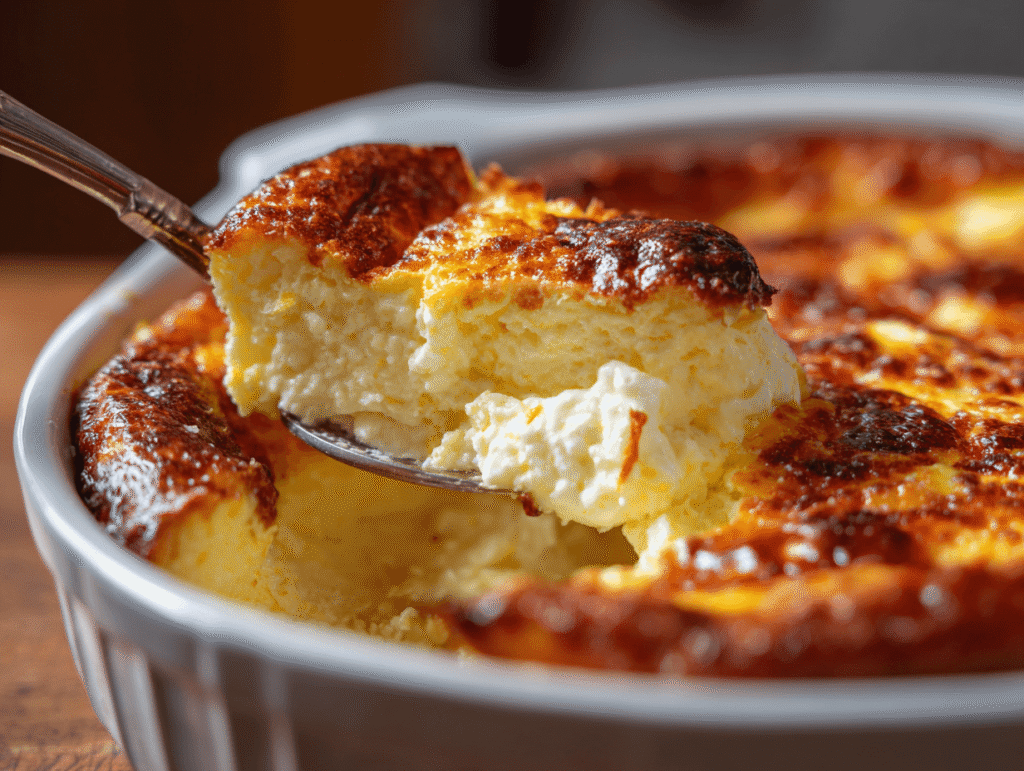
During the puree stage, texture is everything. A bariatric ricotta bake works extremely well at this phase because ricotta naturally blends into a smooth, creamy consistency. When prepared correctly, it requires minimal chewing and places very little strain on the healing stomach.
For the puree stage, the bariatric ricotta bake should be simple and well blended. Avoid chunky ingredients, vegetables, or meat at this point. Instead, focus on ricotta cheese, eggs, and mild seasoning. Baking the mixture and then blending it again if needed can help achieve the right texture.
Portion control remains essential. Even though ricotta is gentle, bariatric patients should stick to small servings and eat slowly. Because ricotta is filling, most patients find they feel satisfied after just a few spoonfuls.
Easy Bariatric Ricotta Bake for Soft Foods
Once you move into the soft food stage, bariatric ricotta bake becomes even more versatile. At this point, you can slightly firm up the bake and begin adding soft protein sources such as cottage cheese or very finely crumbled lean meat. The goal is still to maintain a moist texture while increasing protein variety.
An easy bariatric ricotta bake for soft foods might include ricotta, egg, and cottage cheese baked until just set. This version holds its shape but remains tender and easy to eat. As always, new ingredients should be added one at a time to monitor tolerance.
If you’re looking for additional soft, high-protein options that don’t rely on eggs, Looking for inspiration? Try high protein breakfast without eggs for more bariatric-friendly ideas.
By adapting the texture to your recovery stage, bariatric ricotta bake can remain a safe, comforting option as you transition toward more regular foods.
Best Bariatric Ricotta Bake Recipe Variations
Easy Bariatric Ricotta Bake With Egg
One of the most popular variations is the easy bariatric ricotta bake with egg. Adding eggs boosts the protein content while keeping the texture soft and fluffy. This version works well during the soft food stage and continues to be useful long term for quick meals or breakfast-style bakes.
Eggs also help the ricotta bake set without becoming dry. When combined properly, the result is a tender, custard-like consistency that’s easy to tolerate. For bariatric patients who struggle to meet protein goals, this variation provides more nutrition in just a few bites.
To keep this recipe bariatric-friendly, avoid adding vegetables or meats too early. Focus instead on simplicity, controlled portions, and slow eating. Over time, you can adjust seasoning and firmness as your tolerance improves.
Bariatric Ricotta Bake With Cottage Cheese
Another excellent option is bariatric ricotta bake with cottage cheese. Cottage cheese adds extra protein and slightly changes the texture, making the bake more filling without increasing portion size. When blended, cottage cheese becomes smooth and works well even for patients with sensitive digestion.
This variation is especially helpful for patients who want more protein variety without relying on meat. Because cottage cheese is widely tolerated, many bariatric patients rotate this version into their weekly meal plan.
For those who enjoy experimenting with different high-protein comfort recipes, Don’t miss our low carb cream cheese peanut butter fudge, which offers a bariatric-friendly sweet option when cravings hit.
By rotating these variations, bariatric ricotta bake stays interesting, satisfying, and aligned with long-term weight loss goals.
Savory Bariatric Ricotta Bake With Protein Add-Ins
Bariatric Ricotta Bake With Ground Beef
As tolerance improves, many bariatric patients look for ways to add more substantial protein sources. Bariatric ricotta bake with ground beef is a popular option because it turns the dish into a more savory, meal-like experience while still keeping portions small.
For best results, the ground beef should be very finely crumbled and fully cooked before being mixed into the ricotta. Lean ground beef is recommended to reduce excess fat and improve digestion. When blended properly, the beef integrates into the ricotta bake without creating a heavy or chewy texture.
This variation works best during the later soft food stage or regular bariatric diet phase. Starting with a small amount of meat helps assess tolerance while still benefiting from the added protein.
Ricotta Bake With Meat: Texture and Tolerance Tips
When preparing a ricotta bake with meat, texture control is essential. Bariatric patients should avoid large chunks, crispy edges, or dry mixtures. Instead, aim for a moist, uniform consistency that’s easy to chew and swallow.
Mixing meat evenly throughout the ricotta and adding an egg can help bind the bake and prevent dryness. Baking at a moderate temperature also helps maintain moisture. If the bake feels too firm, adding a spoonful of ricotta or cottage cheese can soften the texture.
Over time, this savory version can become a satisfying lunch or dinner option that supports long-term protein goals without relying on processed foods. When prepared mindfully, ricotta bake with meat remains a bariatric-friendly comfort meal rather than a heavy dish.
Cooking Methods and Meal Prep Tips
Bariatric Ricotta Bake Microwave Method
For busy days, the bariatric ricotta bake microwave method is a convenient option. Microwaving allows you to prepare a single serving quickly without heating the oven, which is especially helpful during early recovery when energy levels may be low.
To use this method, mix the ingredients thoroughly and microwave in short intervals, usually 30 to 45 seconds at a time. Stir between intervals to ensure even cooking and prevent hot spots. The goal is a gently set texture, not a firm or rubbery bake.
Because microwaves vary in power, it’s important to watch closely and stop cooking as soon as the center is set. Overcooking can dry out the ricotta and make it harder to tolerate.
Oven vs Microwave: Best Bariatric Ricotta Bake Results
Both the oven and microwave can produce a successful bariatric ricotta bake, but each has its benefits. Oven baking provides more even heat and a smoother final texture, making it ideal for meal prep or larger batches. It also allows better control over moisture when adding eggs or meat.
On the other hand, the microwave is faster and more practical for single portions. While the texture may be slightly softer or less uniform, it’s still effective for maintaining protein intake on a tight schedule.
Whichever method you choose, portioning the bake into small containers can help with consistency and prevent overeating. Having ready-to-eat bariatric ricotta bake on hand reduces the temptation to reach for less suitable foods.
Is Baked Ricotta Healthy for Bariatric Patients?
Comparing Ricotta to Other Cheeses for Bariatric Diets
Baked ricotta is considered one of the healthiest cheese options for bariatric patients because of its texture, protein content, and versatility. Unlike hard or aged cheeses, ricotta is softer and less dense, which makes it easier to digest after surgery. It also blends well with other ingredients, reducing the risk of discomfort or food sticking.
Compared to cheeses like cheddar or mozzarella, ricotta generally contains less sodium and is easier to portion. While it does contain fat, choosing part-skim ricotta helps keep calories in check without sacrificing protein. When baked, ricotta retains moisture, which is especially important for bariatric tolerance.
Because of these qualities, baked ricotta is often recommended earlier than firmer cheeses and remains a reliable option even long term.
What Cheese Is Good for Bariatric Patients Long Term?
Long term, bariatric patients do best with cheeses that are high in protein, lower in fat, and easy to digest. Ricotta, cottage cheese, and cream cheese (in small amounts) are commonly well tolerated. These cheeses support satiety and protein goals without encouraging overeating.
Bariatric ricotta bake fits perfectly into this approach. It allows patients to enjoy cheese in a controlled, structured way rather than grazing or eating dense slices. Over time, this helps reinforce healthy habits while still providing comfort and satisfaction.
When choosing cheese, texture and portion size matter just as much as nutrition. Soft, moist cheeses used in recipes like ricotta bake are often more successful than eating cheese on its own.
Tips to Make the Best Bariatric Ricotta Bake Every Time
Common Mistakes to Avoid With Bariatric Ricotta Recipes
One common mistake is overcomplicating the recipe. Too many ingredients can create texture issues and make the bake harder to tolerate. Bariatric ricotta bake works best when kept simple, especially during early stages.
Another issue is overbaking. When ricotta dries out, it becomes dense and less comfortable to eat. Baking just until set helps maintain moisture and improves digestion. Skipping portion control is also a mistake, even with soft foods. Small servings are still essential for long-term success.
How to Customize the Best Bariatric Ricotta Bake
Customization is what makes bariatric ricotta bake sustainable. You can adjust firmness, protein sources, and seasoning based on your recovery stage and preferences. Early on, smooth and plain works best. Later, adding eggs, cottage cheese, or lean meat can keep meals interesting.
Keeping notes on what works for you helps refine your personal “best” bariatric ricotta bake. Over time, this dish can evolve with you, remaining a dependable part of your bariatric lifestyle rather than a short-term solution.
FAQs — Bariatric Ricotta Bake Questions Answered
Can I eat ricotta cheese after gastric sleeve?
Yes, ricotta cheese is commonly tolerated after gastric sleeve surgery, especially during the puree and soft food stages when prepared in recipes like bariatric ricotta bake.
Is ricotta cheese ok for weight loss?
Ricotta cheese can support weight loss when eaten in controlled portions and used in high-protein meals like bariatric ricotta bake.
Is baked ricotta healthy?
Baked ricotta is healthy for bariatric patients because it’s soft, high in protein, and easy to digest when prepared simply.
What cheese is good for bariatric patients?
Ricotta, cottage cheese, and other soft, high-protein cheeses are generally the best options for bariatric patients.
Conclusion — Why Bariatric Ricotta Bake Belongs in Your Weekly Meal Plan
Bariatric ricotta bake is more than just a post-op recipe. It’s a reliable, high-protein comfort meal that adapts to every stage of the bariatric journey, from puree to long-term maintenance. Because it’s soft, easy to digest, and highly customizable, it helps bariatric patients meet protein goals without stress or discomfort.
What makes bariatric ricotta bake especially valuable is its balance. It supports weight loss, encourages mindful portions, and still delivers the warmth and satisfaction many people miss after surgery. Whether you keep it simple or enhance it with eggs, cottage cheese, or lean meat, this dish grows with your tolerance and lifestyle.
If you’re building a rotation of dependable, bariatric-friendly comfort meals, don’t miss cottage cheese casserole, which follows the same high-protein, soft-texture principles and fits perfectly into a post-op meal plan.
When consistency matters and nutrition can’t be compromised, bariatric ricotta bake earns its place as a weekly staple you can rely on long term.
Pair this with a cottage cheese casserole or try one of these cottage cheese wrap recipes for another light, protein-forward meal.